
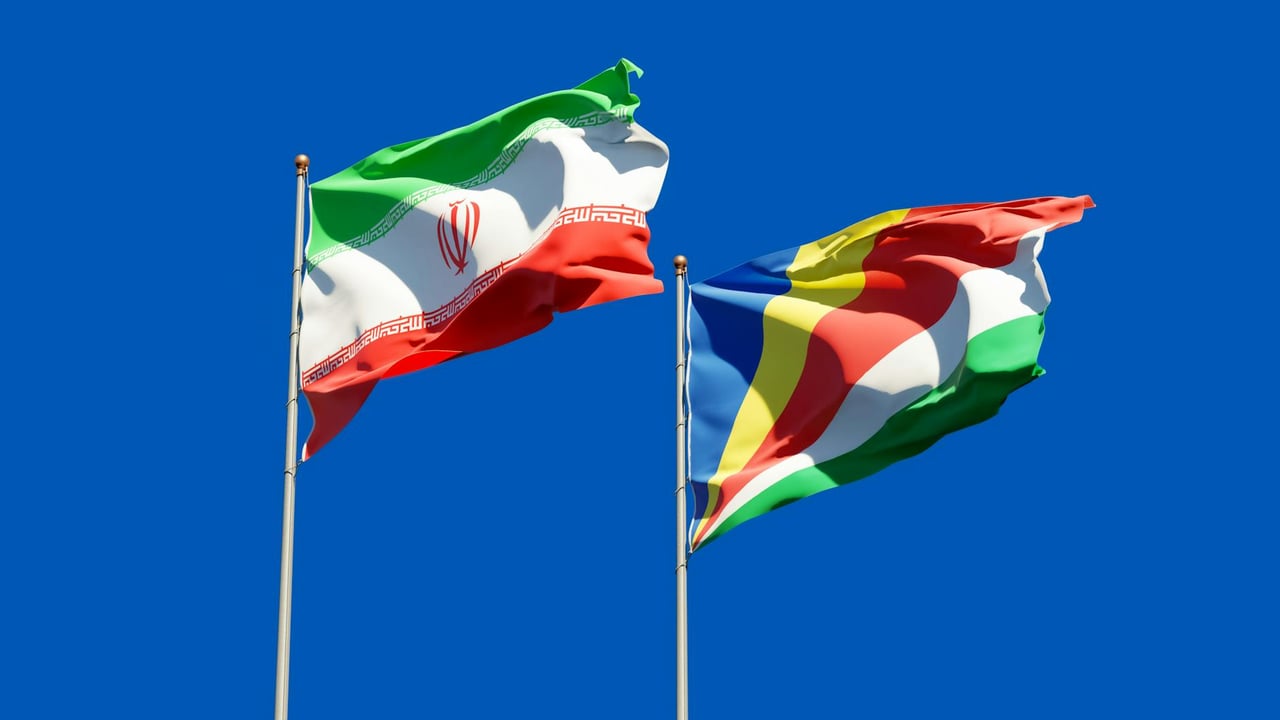

A sudden diplomatic opening has emerged in the long-standing confrontation between Washington and Tehran. Following a flurry of high-stakes communication facilitated by Islamabad, the United States and Iran announced a two-week ceasefire effective immediately. President Donald Trump confirmed the pause in military operations via social media, citing a pivotal conversation with Pakistani leadership and conditioning the truce on the 'full, immediate, and safe' reopening of the Strait of Hormuz.
While the Iranian Supreme National Security Council has mirrored the ceasefire announcement, the rhetoric remains steeped in skepticism. Following the guidance of Supreme Leader Mujtaba, Iranian officials expressed 'complete mistrust' of American intentions even as they agreed to the Islamabad talks. This fragile window, scheduled to begin formal negotiations on April 10, represents the most significant de-escalation effort in the region in years, though the underlying grievances remain far from resolved.
At the heart of this diplomatic push is a joint 'Five-Point Initiative' unveiled in Beijing by Chinese Foreign Minister Wang Yi and Pakistani Deputy Prime Minister Ishaq Dar. This framework calls for an immediate cessation of hostilities and a return to the United Nations Charter's principles. More importantly, it establishes a new set of 'red lines' for modern conflict, specifically urging all parties to exempt critical civilian infrastructure—such as nuclear power plants, desalination facilities, and electrical grids—from military targeting.
The initiative’s focus on the Strait of Hormuz highlights the global stakes of the current crisis. With approximately one-fifth of the world’s oil supply transiting this narrow waterway, China is signaling that maritime security is no longer just a regional concern but a global economic necessity. By aligning its core interests with the stability of international supply chains, Beijing is attempting to move the discourse from zero-sum military maneuvers to a shared framework of 'navigational safety.'
China’s involvement reflects a broader shift in its Middle Eastern strategy, moving from a passive consumer of energy to an active architect of regional security. Through the persistent shuttle diplomacy of Special Envoy Zhai Jun, Beijing has cultivated a role as a non-aligned mediator that avoids the 'camp mentality' of traditional Western alliances. This approach seeks to provide a 'stability force' in a region where US-led military pressure has often yielded diminishing returns.
Despite the optimism surrounding the Islamabad talks, the path to a final agreement remains fraught with structural obstacles. Washington’s reliance on 'maximum pressure' and Tehran’s internal political requirements create a volatile environment where any tactical misstep could collapse the truce. However, by providing a codified policy text and a visible political alternative to war, the China-Pakistan initiative ensures that the option of a negotiated settlement remains on the table even as the threat of escalation looms.