
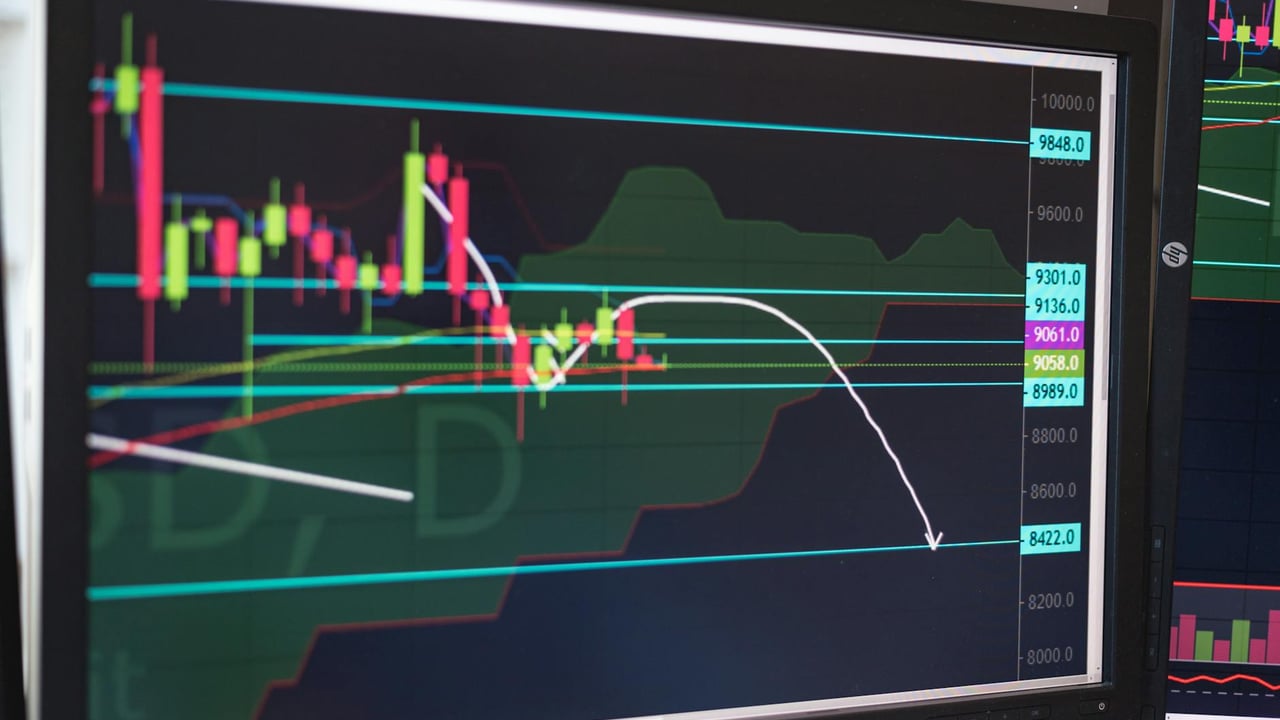

A profound sense of exhaustion has settled over the Chinese investment community. For analysts in Beijing and Shanghai, the past month has been described as a period of 'professional schizophrenia,' characterized by a market that pivots violently based on single social media posts. The return of Donald Trump’s disruptive rhetoric to the center stage of global geopolitics is doing more than just moving needles; it is fundamentally breaking the predictive models that sell-side researchers have relied upon for a decade.
Investors are finding themselves paying a 'war tax' in the secondary markets as tensions in the Middle East ebb and flow with every conflicting headline. One day, threats of total destruction send oil prices soaring and stocks tumbling; the next, rumors of a two-week ceasefire trigger a relief rally. This 'flip-flopping' has exposed a critical vulnerability: market prices are no longer built on the solid bedrock of corporate earnings, but on a fragile three-tier architecture of expectations involving stable oil, predictable Fed rate cuts, and a global economic soft landing.
The volatility is forcing a Darwinian reassessment of what constitutes a 'safe' asset. In this new era, the 'future narrative'—the promise that a company will eventually be great—is being discarded in favor of tangible cash flow. We are seeing a sharp correction in hardware technology sectors, particularly those that surged on 'national champion' themes or low-interest-rate assumptions. Companies like the GPU maker Cambricon and certain Tesla suppliers are losing ground as their long-term growth stories fail to mask slowing quarterly performance.
Conversely, the market is beginning to prize 'cash cows' that can withstand the Trumpian noise. Utility giants like Yangtze Power, which function essentially as dividend-paying 'money machines' regardless of international oil prices or geopolitical maneuvers, are becoming the new defensive benchmarks. The goal for investors has shifted from chasing the next big thing to identifying who can survive as a 'cost-shifter' versus a 'cost-absorber' in an inflationary, high-friction world.
Yet, the appetite for growth has not vanished entirely; it has merely become more rigorous. Investors are now demanding 'order verification' and 'business model validation' before committing capital. Sectors like humanoid robotics and solid-state batteries are still drawing interest, but only where companies like Unitree or UBTECH can demonstrate narrowing losses or actual production milestones. The era of pricing assets based on 'hope' is being replaced by a demand for 'proof,' as the quality of the asset must now outlast the political cycle.