Power Asymmetry and Private Healthcare: Aier Eye Hospital Scandal Sparks Outcry Over Workplace Harassment in China

The director of Hangzhou Aier Eye Hospital has been suspended following allegations of sexually harassing a pharmaceutical sales manager. The case has ignited a national conversation regarding workplace power dynamics, professional retaliation, and the legal challenges victims face in prosecuting harassment in China.

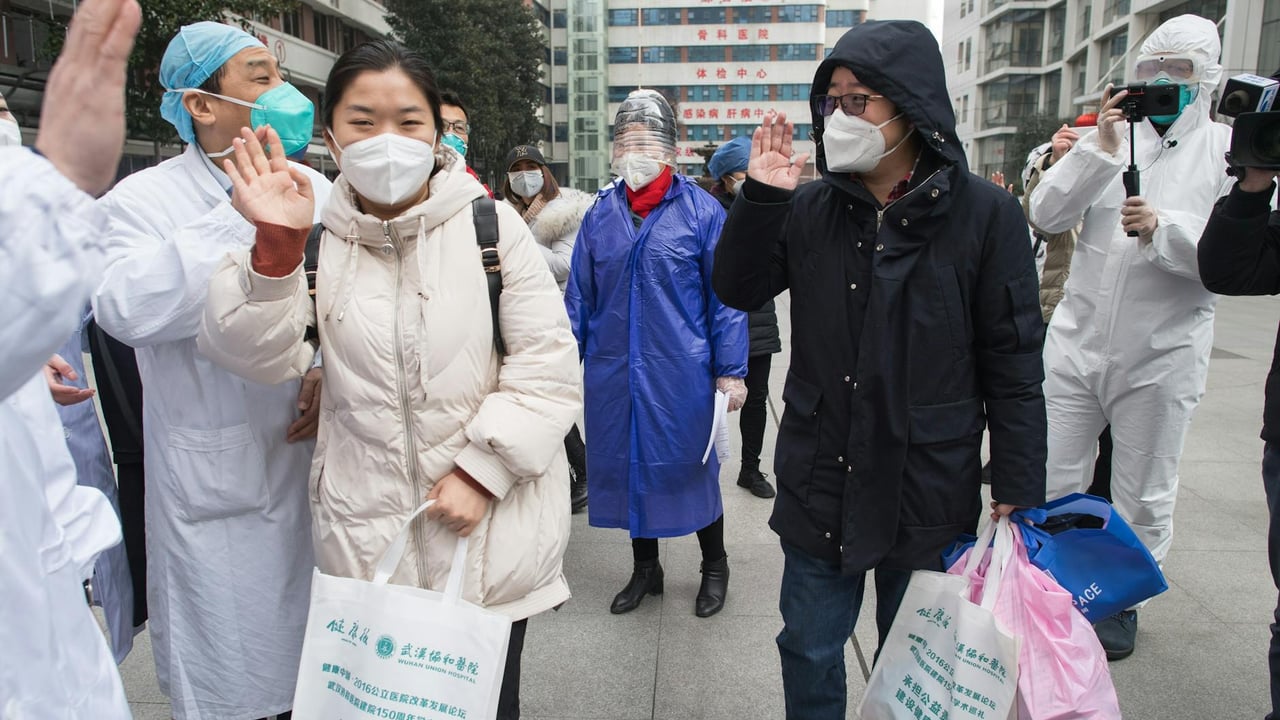
Healthcare workers and people in masks interacting outdoors during COVID-19 pandemic.

Key Takeaways

  • 1Pan, the director of Hangzhou Aier Eye Hospital, was suspended after being accused of harassing a female sales manager in his office.
  • 2The victim alleges the director attempted to use his professional influence to pressure her and her family after she rejected his advances.
  • 3Police have categorized the incident as an administrative case of 'indecency' rather than a criminal one, citing a lack of immediate physical evidence for higher charges.
  • 4Aier Eye Hospital's headquarters is conducting an internal probe while awaiting the final police report.
  • 5The victim is refusing a settlement, opting instead for legal accountability and a formal apology.

Editor's
Desk

Strategic Analysis

This scandal is more than an isolated incident of workplace misconduct; it serves as a stark illustration of the 'Guanxi' power dynamics that govern China's healthcare-pharmaceutical supply chain. In this ecosystem, hospital directors hold immense gatekeeping power over pharmaceutical sales, creating a vulnerability that can be exploited for sexual favors or personal leverage. The legal distinction between 'administrative indecency' and 'criminal forcible indecency' further highlights the systemic hurdles women face when seeking justice; without high-quality forensic evidence or extreme physical force, perpetrators often escape with mere detentions or fines. For Aier Eye Hospital, a market leader in a highly competitive private sector, the repeated failure to manage executive ethics poses a long-term risk to its brand equity and investor confidence, particularly as public sentiment shifts toward zero-tolerance for workplace harassment.

China Daily Brief Editorial
Strategic Insight
China Daily Brief

The reputation of Aier Eye Hospital, one of China’s most prominent private healthcare giants, is under significant strain following allegations of sexual harassment involving a high-ranking executive. In mid-March, a sales manager for a pharmaceutical firm, identified by the pseudonym Lin Ran, reported that she was physically harassed by Pan, the director of the Hangzhou branch, during a corporate charity event. According to the victim's account, Pan lured her into his office under the guise of offering a gift before escalating to physical contact and verbal propositions.

Beyond the immediate assault, the case highlights the pervasive issue of professional retaliation within the Chinese corporate and medical sectors. Lin Ran alleges that following her refusal, Pan attempted to leverage his professional network to silence her, contacting her superiors and even those of her husband. This use of industrial influence to exert pressure on victims underscores the deep-seated power imbalances that often characterize the relationships between high-status medical professionals and pharmaceutical representatives in China.

In response to the mounting public pressure and media coverage, Aier Eye Hospital’s headquarters announced that Pan has been suspended pending the results of a police investigation. While the local public security bureau has officially filed an administrative case, the situation remains legally complex. Authorities have noted that current evidence supports a charge of administrative 'indecency'—a public security violation—but does not yet meet the rigorous evidentiary threshold required for a criminal charge of 'forcible indecency.'

This incident adds to a growing list of controversies for Aier Eye Hospital, a listed company that has previously faced scrutiny over patient safety and aggressive sales tactics. For many observers, the case is a litmus test for how China’s private healthcare sector handles internal ethics and workplace safety. The victim has stated that she is not seeking financial compensation but is instead pursuing a formal apology and legal accountability, a stance that has resonated widely on Chinese social media platforms.

Share Article

Related Articles

📰
No related articles found