
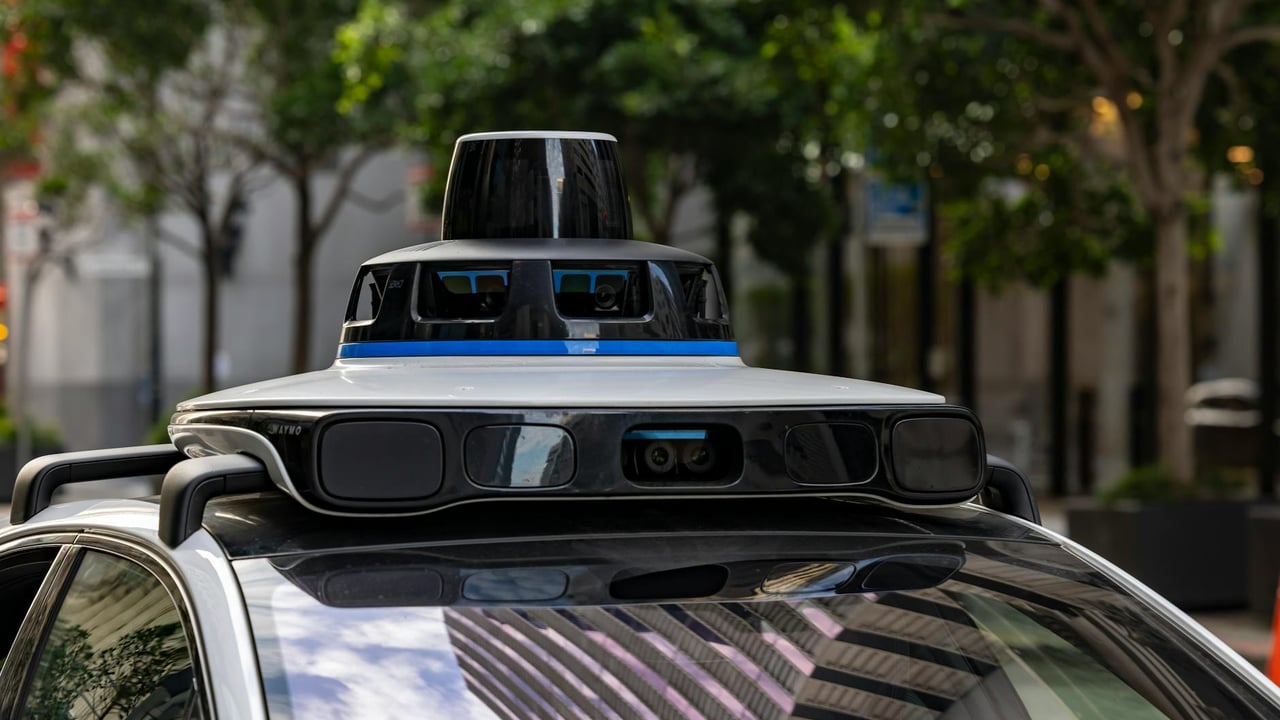

On April 10, Pony.ai, a leading developer in the autonomous driving sector, officially launched PonyWorld 2.0, its latest breakthrough in the burgeoning field of Physical AI. This new iteration marks a significant departure from traditional autonomous training methods, positioning the company at the vanguard of the race to create vehicles that can truly understand and predict the physical world.
The core advancement in version 2.0 lies in its capacity for self-diagnosis and directional evolution. Unlike previous models that relied on static datasets, PonyWorld 2.0 can identify its own performance gaps and autonomously refine its training focus to address those weaknesses. This shift suggests a new R&D paradigm where the AI system essentially manages its own learning curve, significantly accelerating the path toward higher levels of autonomy.
World models have become the holy grail for autonomous driving firms as they allow vehicles to simulate and predict complex interactions within a physics-compliant framework. By creating a high-fidelity virtual environment that mirrors real-world variables, Pony.ai can test edge cases and dangerous scenarios without the risk of physical damage. This approach mimics the way humans use internal mental models to anticipate the consequences of their actions on the road.
The release coincides with Pony.ai’s aggressive global expansion, with recent commercial Robotaxi launches in Singapore and Europe. As the industry moves away from pure pattern recognition toward generative world models, PonyWorld 2.0 provides the technical backbone for the company to scale its services across diverse and unpredictable urban environments worldwide.