
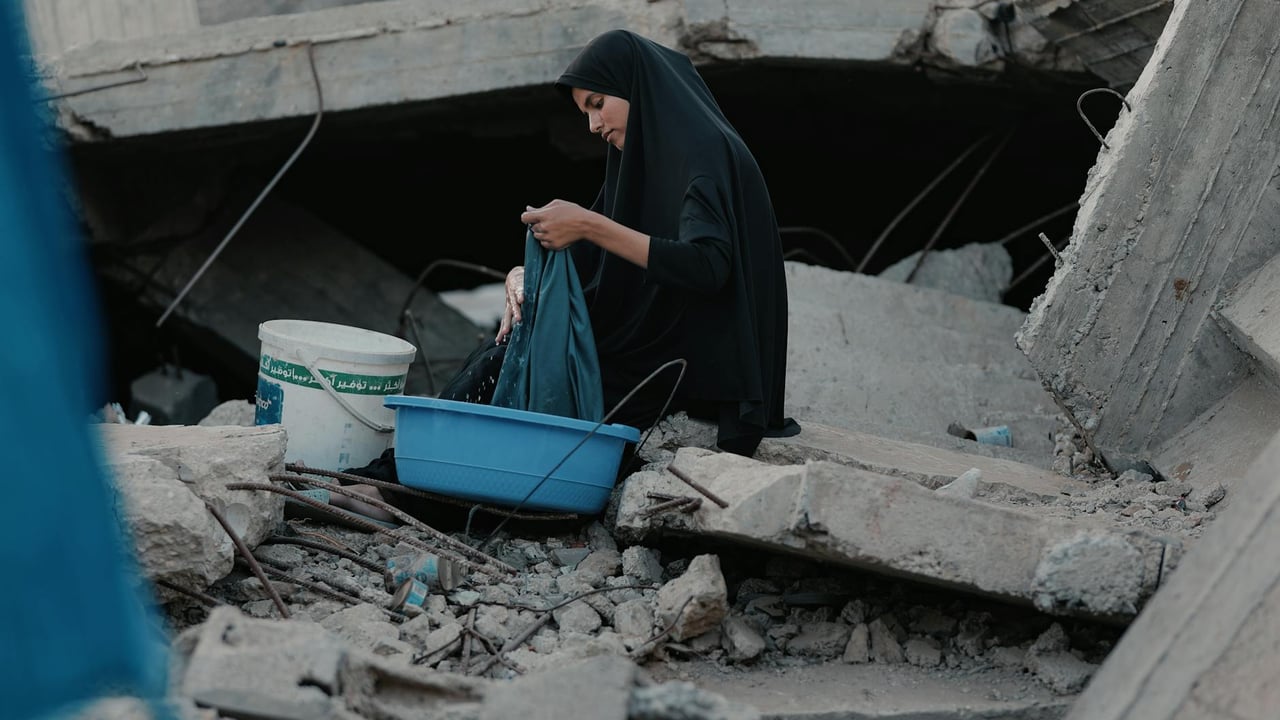

The conflict between Iran and the collective forces of the United States and Israel has entered a devastating new phase, shifting from clandestine operations to a high-intensity confrontation with a mounting civilian toll. Data released by the Iranian Ministry of Health reveals a stark picture of the collateral damage, highlighting that the machinery of war is increasingly impacting those furthest from the front lines. Beyond the tactical maneuvers of military planners, the social fabric of the Islamic Republic is under significant strain as medical and educational infrastructures face unprecedented degradation.
According to the latest statistics from Tehran, the casualties among vulnerable populations have reached alarming levels, with nearly 5,000 women and over 2,000 children reported injured. The precision of these disclosures, including the mention of infants among the wounded, suggests a calculated effort by the Iranian government to document the humanitarian consequences of the strikes. Furthermore, the destruction of 55 emergency response bases indicates a systematic disruption of Iran’s domestic capability to manage the health crises arising from the ongoing hostilities.
The educational sector has also become a focal point of the carnage, with Education Minister Kazemi reporting the deaths of hundreds of students and faculty members. The damage to approximately 900 buildings, the vast majority of which are dedicated to teaching and administration, underscores the long-term developmental setbacks Iran may face. By targeting or inadvertently striking centers of learning, the conflict threatens to leave a generational scar that extends far beyond the immediate geopolitical grievances currently driving the violence.
This disclosure of data serves a dual purpose for the leadership in Tehran, acting as both a call for domestic resilience and a plea for international condemnation of Western military actions. As the conflict broadens, the emphasis on the suffering of women and children is likely to become a central pillar of Iran’s diplomatic and information warfare strategy. With vital infrastructure in ruins and the death toll of non-combatants rising, the path toward a ceasefire appears increasingly obstructed by the sheer scale of the humanitarian tragedy unfolding across the country.