
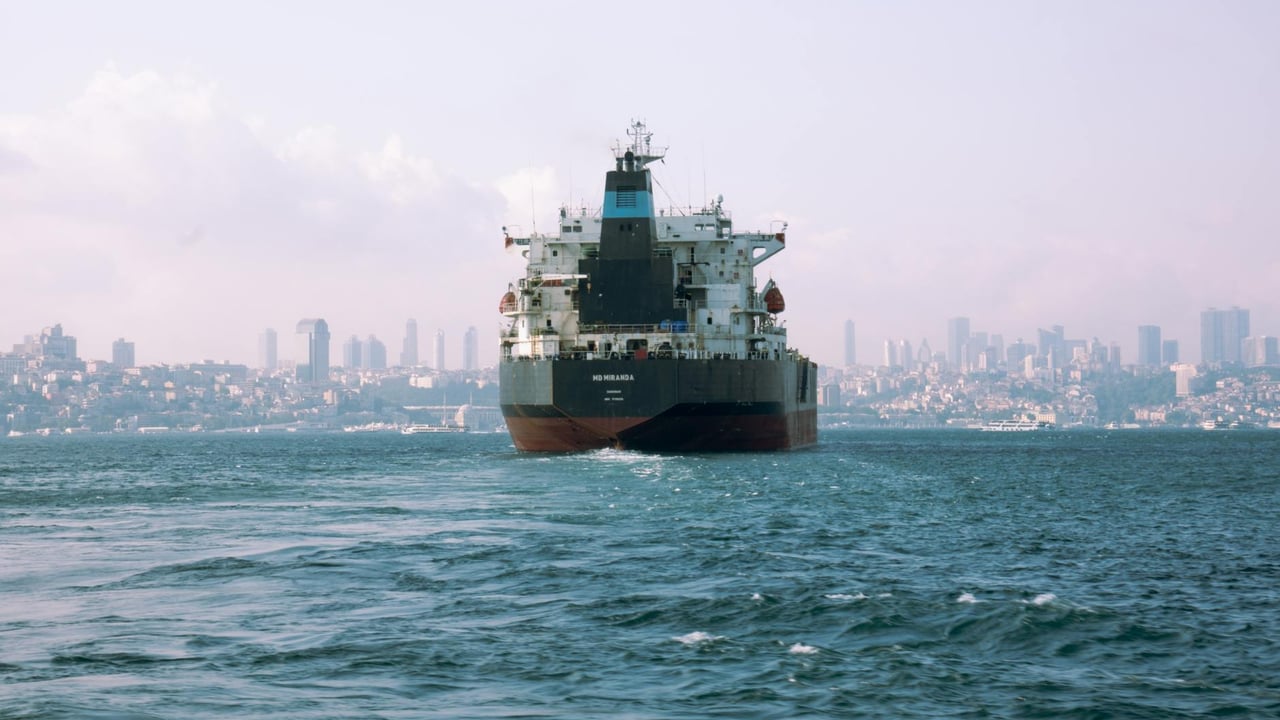

The diplomatic breakthrough of a ceasefire between Washington and Tehran has yet to stir the waters of the world’s most vital energy artery. In the forty-eight hours following the announcement, only ten vessels—four tankers and six bulk carriers—successfully navigated the Strait of Hormuz. For a passage that typically facilitates a fifth of the world’s oil consumption, this trickle suggests that geopolitical signatures have not yet translated into maritime confidence.
Data from shipping analytics firms Kpler and Winward reveal a maritime landscape characterized by extreme caution and rigid Iranian oversight. Rather than a return to open seas, the Strait has entered a period of 'managed transit.' The Islamic Revolutionary Guard Corps (IRGC) has effectively institutionalized its control over the waterway, mandating pre-approvals and inspections that have transformed the international strait into a closely guarded corridor.
Major shipping conglomerates and oil majors remain conspicuously absent from the region. Despite the official cessation of hostilities, war risk insurance premiums have shown little sign of cooling, keeping the risk-reward calculus firmly in favor of avoidance. For the world’s largest carriers, the logistical certainty of the 41-day detour around the Cape of Good Hope remains preferable to the unpredictable hazards of an IRGC-monitored Hormuz.
The human and economic cost of this stasis is visible in the massive backlog of vessels currently idling. Roughly 3,200 ships, including 800 tankers, are anchored west of the Strait, waiting for a signal of safety that hasn't arrived. This logjam, coupled with the ongoing 'dark shipping' phenomenon where vessels disable tracking to avoid detection, suggests the maritime industry is bracing for a protracted recovery rather than a swift rebound.
Structural shifts in regional logistics are also beginning to take root as the crisis persists. Trade flows are being diverted to the eastern coasts of Oman and the United Arab Emirates, bypassing the chokepoint entirely. If the current 'testing window' through April 14th fails to see a significant uptick in traffic without incident, these temporary bypasses could become permanent fixtures of a new, more fragmented global supply chain.