
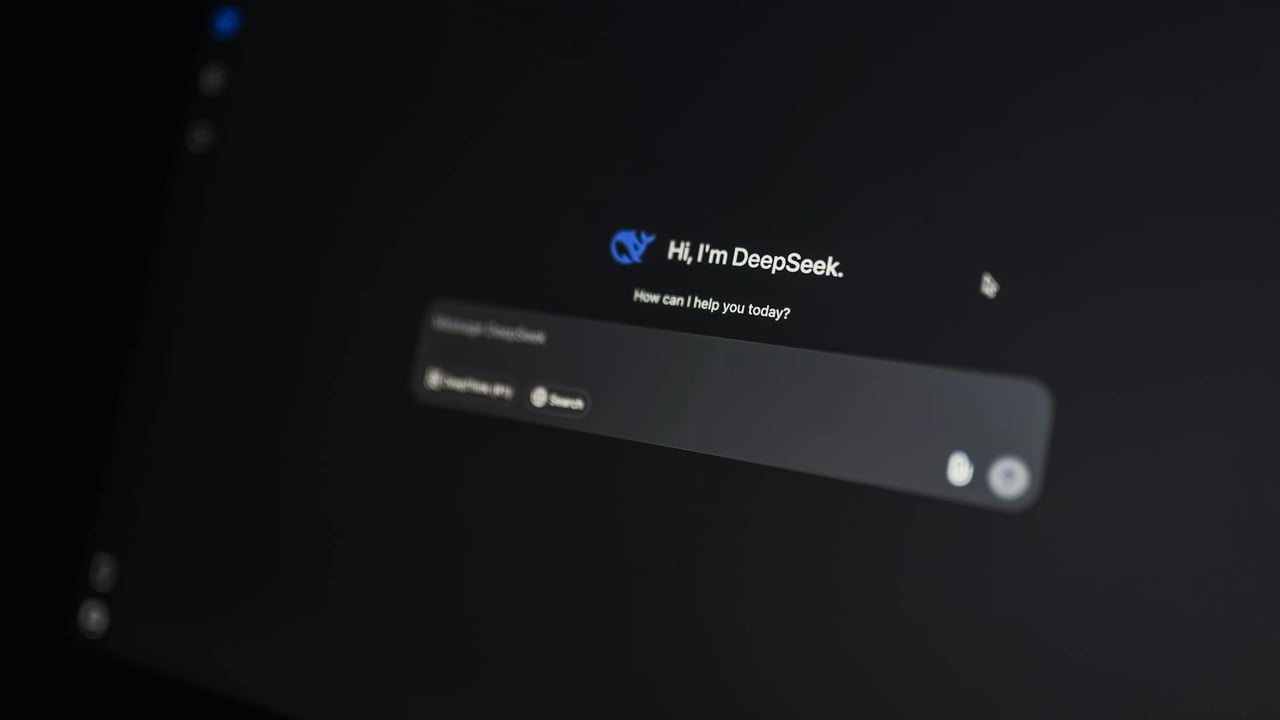

China’s generative AI landscape is bracing for a seismic shift as DeepSeek, the breakout star of the country’s large language model (LLM) race, prepares to launch its next-generation flagship. Expected in late April, DeepSeek V4 is reportedly a trillion-parameter behemoth that aims to match the world’s most advanced models in both scale and sophistication. Internal communications from founder Liang Wenfeng suggest the update will feature a million-token context window, positioning it as a direct competitor to Silicon Valley’s top-tier offerings.
Beyond raw power, the V4 release represents a critical milestone in China’s quest for technological sovereignty. For the first time, a premier Chinese LLM is being built with 'deep adaptation' for domestic silicon, specifically Huawei’s Ascend (ShengTeng) AI processors. This 'de-CUDA-ization' strategy is a calculated move to decouple China’s AI development from Nvidia’s proprietary software ecosystem, which has long been the global industry standard but remains vulnerable to tightening US export controls.
Evidence of this evolution is already visible on DeepSeek’s user interface. The platform recently introduced a dual-tier interaction model: a 'Fast Mode' for rapid daily tasks and an 'Expert Mode' designed for complex, deep-reasoning challenges. This layered design suggests that DeepSeek is transitioning from a monolithic research tool into a diversified product matrix, potentially offering lighter, specialized versions of its model to cater to a variety of enterprise and consumer needs.
The ripple effects of the V4 launch are already being felt across China’s technology sector. Industry heavyweights including Alibaba, ByteDance, and Tencent have reportedly placed massive orders for new-generation domestic AI chips to host the model. These giants plan to integrate DeepSeek V4 into their own cloud services and internal AI products, signaling a rare moment of cross-industry alignment as the domestic ecosystem rallies around a homegrown architecture that bypasses Western hardware bottlenecks.