
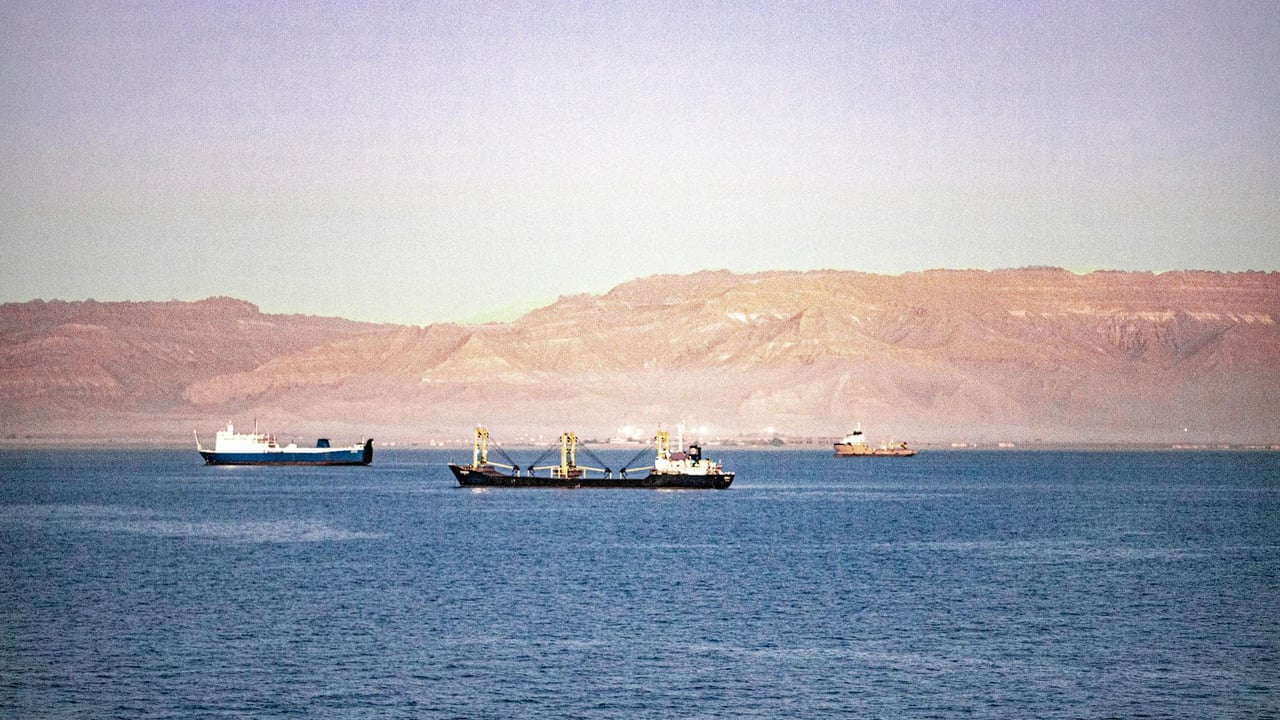

The Strait of Hormuz, the world’s most critical maritime artery for energy, remains in a state of suffocating paralysis. Despite a tenuous temporary ceasefire agreement between Washington and Tehran announced on April 8, maritime traffic data reveals that the expected thaw in the region’s waterways has failed to materialize. Ship movements remain stagnant, signaling that the diplomatic breakthrough has yet to translate into safe passage for global trade.
Only ten vessels crossed the strait in the 24 hours following the ceasefire declaration, a staggering drop from the pre-conflict average of 120 ships per day. Among these, only four were tankers, including one carrying fuel to India, highlighting a persistent blockade that leaves roughly 172 million barrels of crude oil and petrochemicals stranded within the Persian Gulf. This bottleneck represents a significant portion of the world's daily energy supply, now caught in a geopolitical limbo.
In Tehran’s Revolutionary Square, the mood remains bellicose rather than conciliatory. Large-scale murals depict Iranian forces with captions asserting that the Strait of Hormuz remains closed and the Persian Gulf is their hunting ground. The Islamic Revolutionary Guard Corps has justified the continued restrictions by citing mine-clearing operations, forcing the few permitted vessels to navigate specific northern routes near Larak Island.
Access to the channel is no longer a matter of international law but of Iranian patronage. Reports indicate that only ships originating from or destined for Iran, or those that can prove an affiliation with non-hostile states, are being granted passage. This selective enforcement effectively turns the strait into a geopolitical tool for Tehran to reward allies and punish adversaries, regardless of the official ceasefire status.
The economic stakes of this bottleneck cannot be overstated. Before the current hostilities, nearly 20 million barrels of oil—one-fifth of global daily consumption—flowed through this passage. With 187 tankers currently idling, the global energy market faces a prolonged supply-side shock that the ceasefire was supposedly intended to mitigate, yet the maritime reality suggests the crisis is far from over.