

The global financial landscape witnessed a rare and volatile synchronization on April 10, 2026, as cryptocurrency markets and crude oil prices surged in tandem. Bitcoin climbed to $73,037, marking a significant increase within a 24-hour window, while Ethereum followed suit with a nearly 4% gain. This upward momentum, however, came at a steep price for leveraged traders; market data indicates that over 130,000 investors were liquidated, totaling roughly $387 million in losses as the market’s sharp movements caught many off guard.
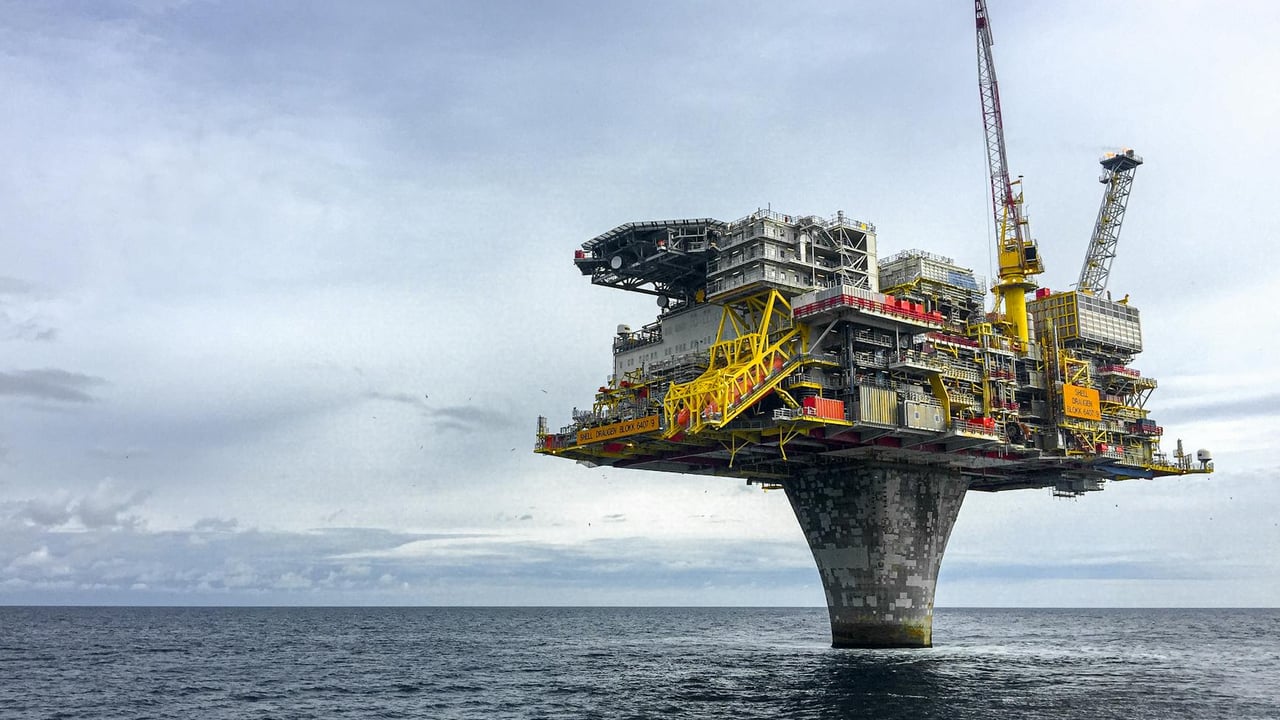
Parallel to the digital asset rally, the energy sector is flashing red signals for global central banks. Both West Texas Intermediate and Brent crude futures rose over 1%, once again testing the psychologically significant $100-per-barrel threshold. This surge is underpinned by blistering inflation data from the United States, where the Bureau of Labor Statistics reported a 10.9% month-on-month increase in energy costs. Notably, the annual rise in gasoline prices has reached its highest level since 1967, complicating the narrative of a "soft landing" for the American economy.
The tightening grip of inflation has forced a rapid recalibration of monetary expectations. Traders have significantly lowered their bets on Federal Reserve intervention, with the consensus shifting toward a single interest rate cut for the remainder of the year. This "higher-for-longer" outlook usually weighs on risk assets, yet Bitcoin’s resilience suggests a growing perception of the cryptocurrency as a geopolitical hedge—a sentiment bolstered by escalating friction in the Middle East.
Geopolitical instability remains the primary driver of this market turbulence. Iran’s armed forces have declared a state of full combat readiness, citing a deep-seated mistrust of U.S. and Israeli diplomatic signals. With tensions in the Persian Gulf at a boiling point, the "war premium" is being priced back into commodities. The intersection of digital finance and physical logistics is becoming increasingly tangible, as regional actors explore unconventional settlement methods to bypass traditional financial sanctions.