
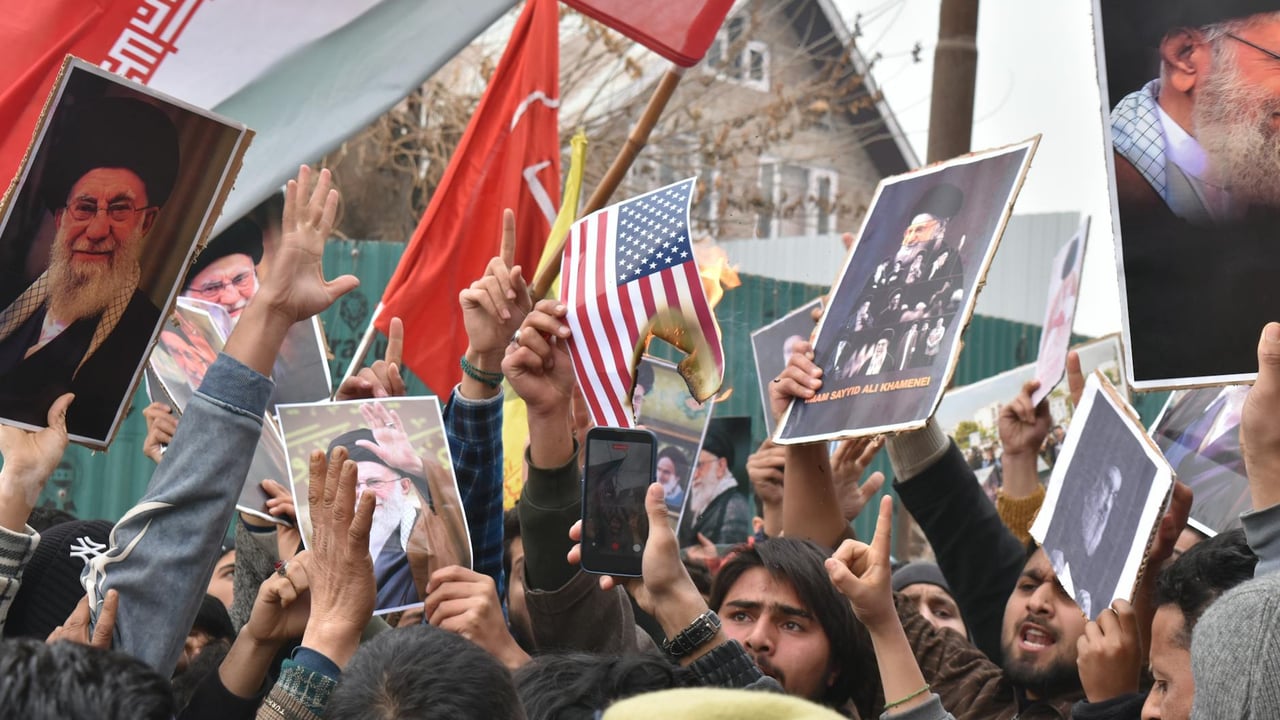

Islamabad has been transformed into a geopolitical fortress as delegations from Washington and Tehran prepare for a historic face-off. The Pakistani capital’s ‘Red Zone’ is under a virtual lockdown, with military personnel securing every transit point to facilitate a meeting that could redefine Middle Eastern security. This diplomatic maneuver represents the first significant attempt by the Trump administration to engage directly with the Islamic Republic on a comprehensive scale.
U.S. Vice President JD Vance, leading a heavyweight delegation that includes Jared Kushner and special envoy Steven Witkoff, has signaled a dual-track strategy of optimism and resolve. Speaking before his departure, Vance characterized the upcoming talks as a potential breakthrough but issued a stern warning against Iranian stalling tactics. The presence of Kushner, the architect of the Abraham Accords, suggests that Washington views these talks not merely as a bilateral nuclear dispute, but as a component of a broader regional realignment.
Tehran, meanwhile, has arrived with a maximalist opening position centered on a ‘Ten-Point Plan.’ Iranian Deputy Foreign Minister Abbas Araghchi’s deputy, Majid Takht-Ravanchi, insists that any agreement must acknowledge Iran’s right to uranium enrichment and grant it recognized control over the Strait of Hormuz. The plan also demands the total lifting of both primary and secondary sanctions, presenting a daunting checklist that tests the limits of American diplomatic flexibility.
The choice of Islamabad as a venue underscores Pakistan’s emerging role as a pivotal mediator capable of bridging the gap between the West and the Global South. However, the atmosphere remains fraught with uncertainty, as conflicting reports regarding the Iranian delegation's arrival have already surfaced. Regional analysts warn that the linkage between these talks and the ongoing volatility in Lebanon and Gaza could easily derail the process before the first formal session begins.
Local logistics reflect the gravity of the moment, with hotel prices in the city doubling and an influx of international media creating a frenzy at Nur Khan Airbase. While the Pakistani government has established ‘green channels’ to facilitate the arrival of diplomatic staff, the specific schedule of the talks remains a closely guarded state secret. This shroud of mystery reflects the fragility of a process where a single misstep could lead back to the brink of open conflict.