
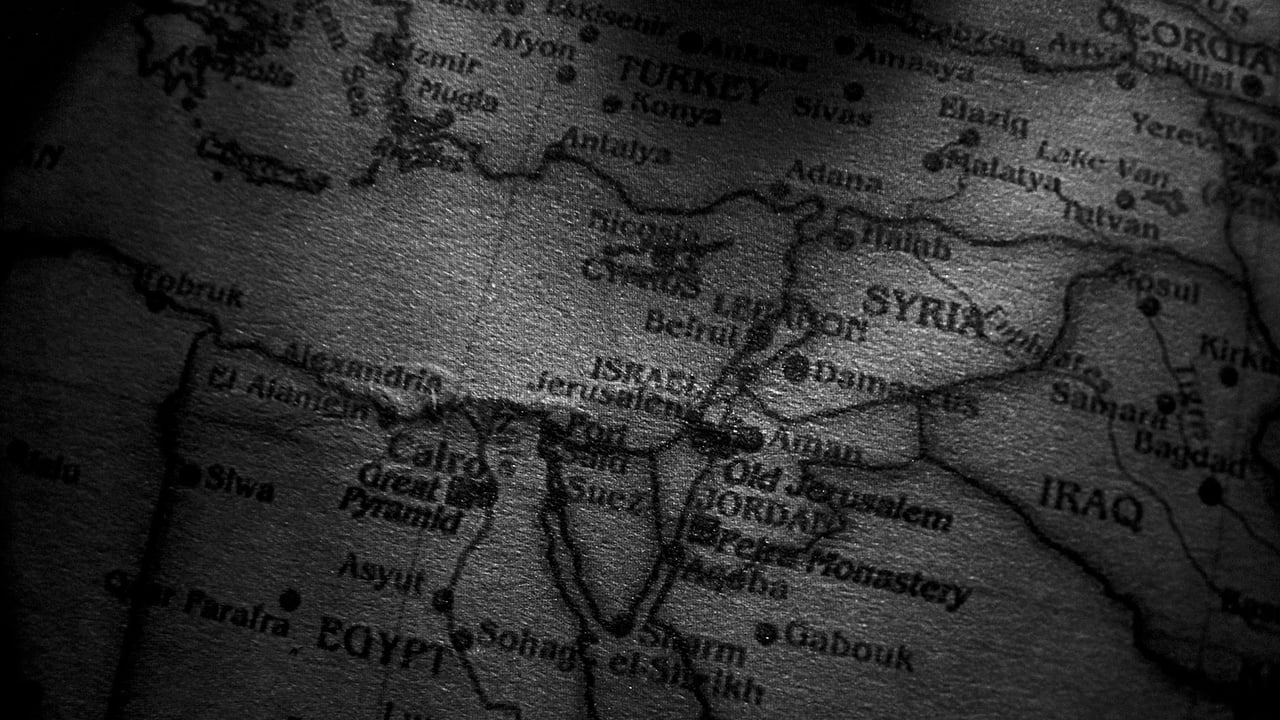

Israeli Prime Minister Benjamin Netanyahu’s sudden directive to enter direct negotiations with the Lebanese government marks a calculated pivot in a conflict that has largely been defined by raw military power. Even as diplomatic channels are being cleared for upcoming talks in Washington, the Israeli Air Force continues to strike Hezbollah rocket positions, underscoring a "talk and fight" strategy. This dual-track approach suggests that Jerusalem is less interested in an immediate ceasefire and more focused on redefining the political landscape of the Levant.
The impetus for this diplomatic opening appears to have come directly from the United States. Following conversations with President Donald Trump and Middle East envoy Steven Witkoff, Netanyahu has signaled a willingness to downshift military operations in exchange for a seat at the table. While the Lebanese government has reportedly sought the demilitarization of Beirut, skepticism remains high as to whether the official state apparatus can deliver on promises that involve the country's most powerful armed faction.
By choosing to negotiate with the Lebanese state rather than the actual combatant, Hezbollah, Israel is attempting a sophisticated maneuver of delegitimization. Analysts argue that Netanyahu’s goal is to frame Hezbollah as an "illegal" entity within its own country, thereby isolating the group from the Lebanese national identity. This strategy seeks to drive a wedge between the state and the militia, potentially creating domestic political pressure on Hezbollah that bombs alone have failed to achieve.
Beyond domestic Lebanese politics, this move serves as a pressure valve for mounting international condemnation. Following weeks of intensive bombardment that have caused significant civilian casualties, Israel is leveraging the prospect of peace talks to buy diplomatic time and space. However, the fundamental deadlock remains: Israel demands "security first" through the disarming of Hezbollah, while Beirut insists on "sovereignty first," requiring an immediate Israeli withdrawal.
The regional stakes are further complicated by the shadow of Tehran. As the United States and Iran prepare for critical negotiations in Pakistan, the Lebanese front has become a primary bargaining chip. While Iran views a Lebanese ceasefire as a prerequisite for broader de-escalation, Israel’s current gambit may be an attempt to decouple the Lebanese theater from the Iranian nuclear and regional files, ensuring it maintains a free hand to act against proxies regardless of what happens in Islamabad.