
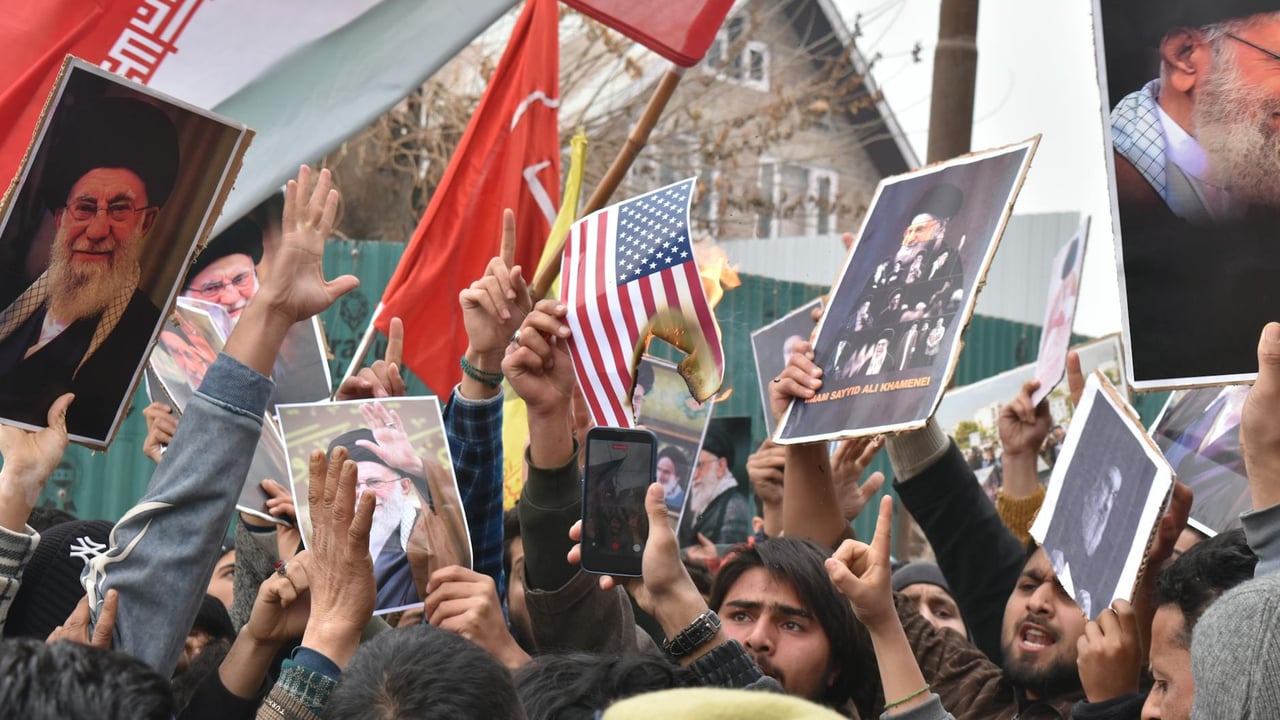

The temporary two-week ceasefire between the United States and Iran, brokered under the mediation of Pakistan, was intended to provide a much-needed cooling-off period in an increasingly volatile Middle East. However, the diplomatic 'brake' has done little to soothe the political fires in Washington. Even as the deal takes effect, 85 Democratic lawmakers have formed a unified front to call for the impeachment of President Trump, signaling a deep-seated domestic crisis that threatens to undermine his foreign policy leverage.
The ceasefire's foundations are already proving remarkably thin on the ground. While Tehran and Washington have agreed to a pause, the Israeli government has pointedly clarified that its operations in Lebanon fall outside the scope of the agreement. This strategic disconnect, coupled with Iran’s continued 'True Promise-4' military maneuvers, suggests that both regional powers are preparing for the collapse of the truce before it has even matured into a formal negotiation.
President Trump finds himself caught in a tightening vice between geopolitical necessity and domestic survival. His recent rhetoric, including threats to 'obliterate Iranian civilization,' has not only galvanized the Democratic opposition but has also begun to alienate his conservative base, many of whom are increasingly wary of another protracted Middle Eastern conflict. The invocation of the 25th Amendment by critics, though legally a long shot, underscores the level of institutional distrust currently paralyzing the American executive branch.
On the military front, the Pentagon remains in a state of high alert despite the diplomatic overtures. Defense Secretary Pete Hegseth has emphasized that the U.S. military maintains its rapid mobilization capabilities, a stance that reinforces the fragility of the Pakistan-brokered deal. For the global community, the stakes extend far beyond the immediate belligerents, as any escalation near the Strait of Hormuz threatens to trigger a catastrophic energy crisis that would destabilize the global economy.
As the mid-term elections approach, the President’s room for maneuver is shrinking. If the opposition secures control of Congress, Trump’s ability to conduct high-stakes diplomacy will be further constrained by legislative oversight and budgetary restrictions. The coming weeks will determine whether this ceasefire is a genuine bridge to peace or merely a brief intermission before a much larger regional conflagration.