

Forty days after the death of Ali Khamenei, his son and successor, Mojtaba Khamenei, has effectively declared the beginning of a more confrontational era in Iranian foreign policy. In a high-stakes written address, the new Supreme Leader outlined a triad of non-negotiable demands that signal a hardening stance against Western interests and a strategic recalatibration of regional power dynamics. The timing of the message, coinciding with the traditional mourning period's end, serves as a definitive assertion of his authority over both the state apparatus and the military.
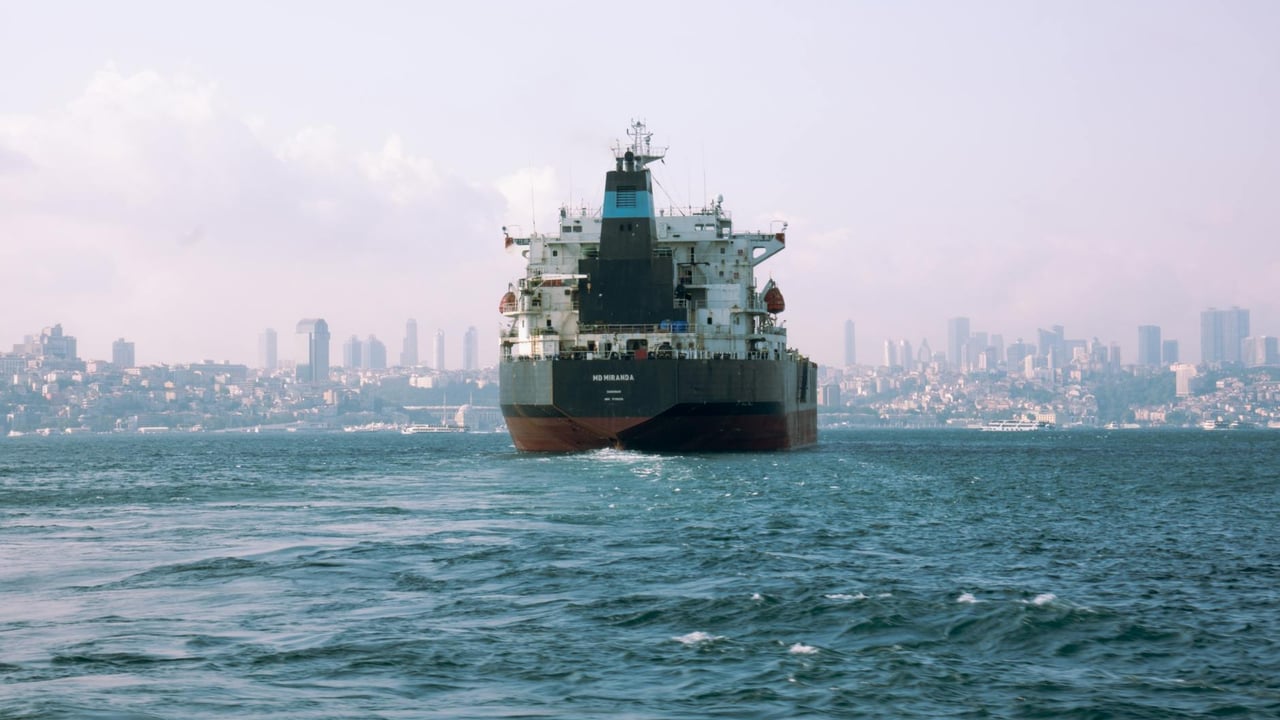
At the heart of Mojtaba’s manifesto is a provocative new policy regarding the Strait of Hormuz, which he claims will enter a 'new phase of management.' As the world’s most critical maritime chokepoint for global energy supplies, any shift in Iranian posture here risks immediate volatility in international oil markets. By framing this as a sovereign right, Tehran is likely signaling an intent to use maritime transit as a primary lever of coercion in its ongoing 'imposed war' with global powers.
Furthermore, the Supreme Leader has formalised a 'Unified Resistance' doctrine, declaring that all regional proxies—from Hezbollah to the Houthis—will now be treated as a single, integrated strategic entity. This move effectively warns that a strike against one is a strike against all, aimed at complicating the military calculus of Israel and the United States. This consolidation suggests that under Mojtaba, the 'Axis of Resistance' will move from a loose coalition toward a more disciplined, NATO-like mutual defense structure.
On the diplomatic front, the message to Gulf neighbors—the 'Southern neighbors'—is one of both pressure and invitation. By urging them to distance themselves from 'tyrannical' Western exploiters, Mojtaba is attempting to exploit perceived cracks in the U.S. security umbrella in the Middle East. While he mentions the 'negotiation table,' he emphasizes that outcomes will be dictated by the 'cries in the square' and the blood shed on the battlefield, indicating that any future diplomacy will be conducted from a position of perceived military triumph.