Tehran’s Strategic Pivot: Balancing Drone Diplomacy with Post-Khamenei Defiance

Iranian Parliament Speaker Mohammad Baqer Qalibaf signals that the nation remains militarily prepared and domestically stable following the death of the Supreme Leader. While touting the success of indigenous drone and missile technology as a deterrent, he noted that negotiations with the U.S. remain an option if Washington honors its past commitments.

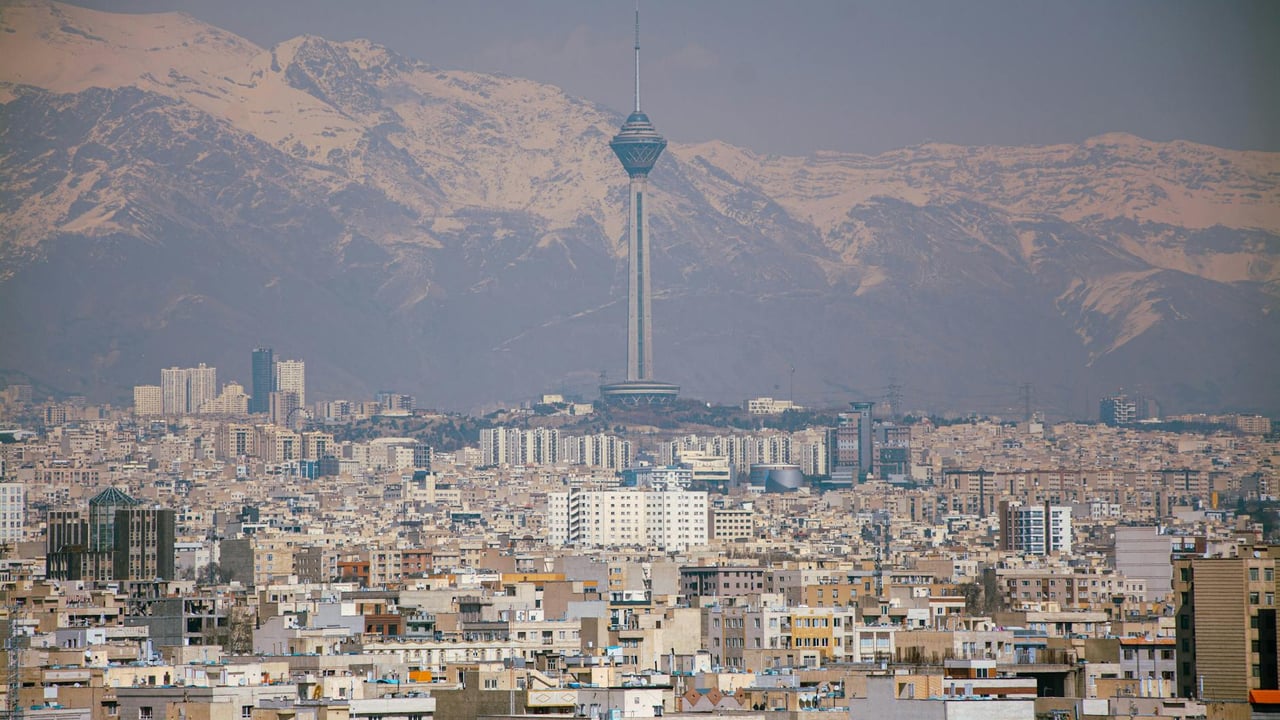
Aerial view of Tehran featuring Milad Tower against the Alborz Mountains.

Key Takeaways

  • 1Iran is projecting domestic stability and military readiness during the critical 40-day mourning period for the former Supreme Leader.
  • 2Speaker Qalibaf emphasized the success of 'defense independence,' specifically noting low-cost drones and missiles as effective tools against advanced defense systems.
  • 3Tehran continues to use its influence over the Strait of Hormuz as a primary economic deterrent against U.S. policy.
  • 4Diplomatic engagement with the U.S. is framed as a possibility, but only if the U.S. adheres to its previous promises.
  • 5The Iranian leadership is explicitly linking military strength with diplomatic leverage to secure 'final victory' in its geopolitical standoff.

Editor's
Desk

Strategic Analysis

This address marks a significant effort by the Iranian 'securocrat' faction, represented by Qalibaf, to manage the vacuum left by Khamenei's passing. By focusing on indigenous technology, the regime is attempting to cultivate national pride and prove that the Islamic Republic can thrive under a 'resistance economy.' The strategic mention of the Strait of Hormuz serves as a reminder to the global energy market that Iran’s internal transitions do not diminish its ability to project power externally. Most importantly, the conditional offer for talks suggests that the new leadership may be looking for a 'Grand Bargain' to stabilize the economy, provided they can do so from a perceived position of strength and indigenous military capability.

China Daily Brief Editorial
Strategic Insight
China Daily Brief

In the somber wake of former Supreme Leader Ali Khamenei’s passing, Iran is attempting to project an image of unshakeable internal stability. Speaking forty days after the leader’s death, Parliament Speaker Mohammad Baqer Qalibaf articulated a national posture that seeks to harmonize military defiance with a cautious opening for diplomatic engagement. This moment, traditionally one of mourning, is being utilized by the Iranian establishment to signal that the transition of power has not weakened the state's resolve.

The rhetorical core of Qalibaf’s address centered on the concept of "defense independence." By highlighting the success of indigenous missile and drone programs, Tehran is signaling that external sanctions have failed to stifle its technical evolution. These low-cost, high-impact assets are now framed as the cornerstone of Iranian sovereignty, capable of bypassing the most sophisticated Western defense umbrellas at a fraction of the cost.

Beyond hardware, the strategic focus remains firmly on the Strait of Hormuz. Qalibaf explicitly linked Iran's maritime influence to its broader economic deterrence strategy against the United States. This suggests that while Tehran is open to a "phased result" in negotiations, it views its ability to disrupt global energy flows as its ultimate insurance policy against American pressure. The message is clear: any perceived American weakness will be met with regional pressure, while compliance could lead to a thaw.

The invitation for dialogue, however, comes with heavy caveats. Qalibaf made it clear that a return to the negotiating table is contingent on Washington fulfilling its prior commitments—a likely reference to the long-standing disputes over nuclear agreements and frozen assets. This "military-diplomacy" hybrid reflects a leadership transition period where the regime must satisfy its hardline base while simultaneously seeking a viable exit from crippling economic isolation.

Share Article

Related Articles

📰
No related articles found