

Wall Street navigated a turbulent session on Friday, ending a high-stakes week characterized by a stark divergence between surging technology valuations and deteriorating consumer sentiment. While the Nasdaq Composite managed to eke out a 0.35% gain to secure its eighth consecutive day of growth, the broader Dow Jones and S&P 500 indices retreated as investors balanced exuberance over the artificial intelligence boom against the sobering reality of geopolitical instability. Despite the daily dip, the week marked the best performance for the S&P 500 and Nasdaq since November, signaling a market that is increasingly decoupling from traditional economic indicators.
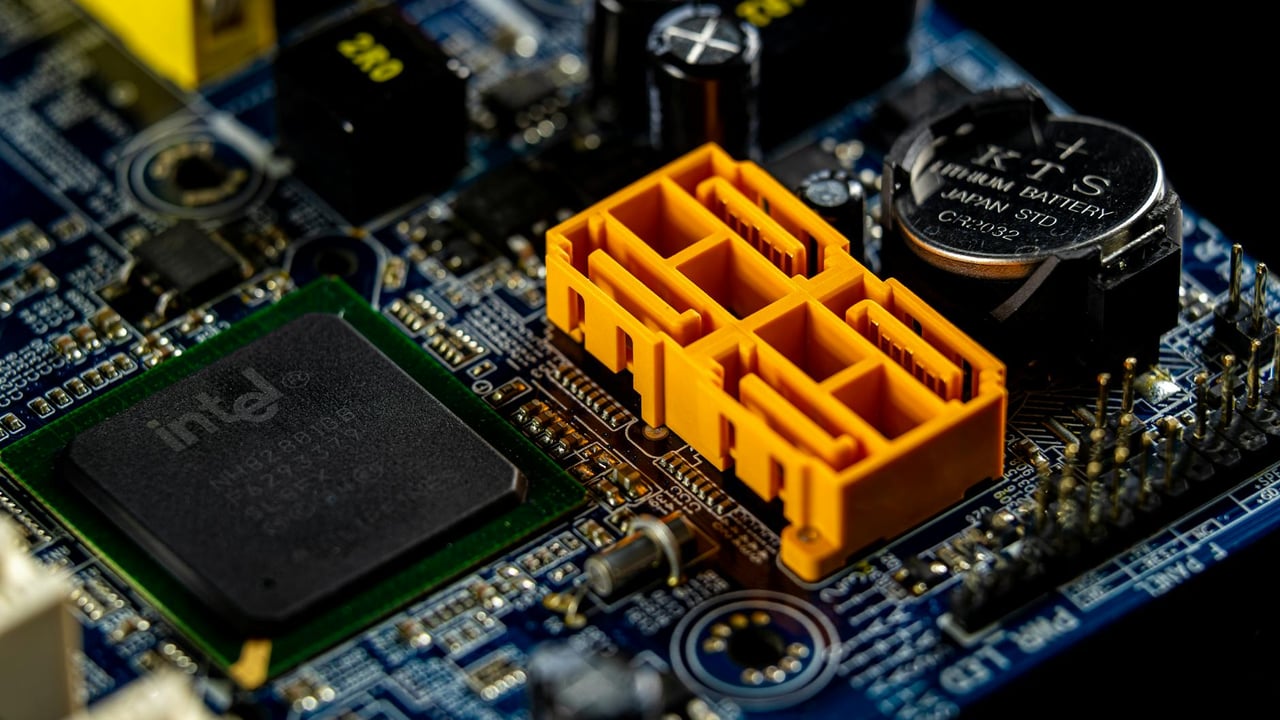
The semiconductor sector remains the primary engine of this growth, with the Philadelphia Semiconductor Index hitting yet another record high. Intel led the charge with a historic 23.8% weekly gain—its most significant since the dot-com era of early 2000—while Nvidia and memory specialists like SanDisk and Western Digital reached new peaks. This hardware-centric rally suggests that the market's appetite for AI infrastructure remains insatiable, even as other sectors of the economy show signs of fatigue under the weight of high interest rates and global conflict.
Simultaneously, the Chinese tech sector showed signs of life as the Nasdaq Golden Dragon China Index posted a modest weekly gain. Electric vehicle manufacturers NIO and Li Auto were the standout performers, surging 7% and 5% respectively on Friday. This rebound in Chinese ADRs comes at a time when global investors are searching for value outside of the overextended U.S. mega-cap tech stocks, though the sector remains sensitive to the fluctuating diplomatic climate between Washington and Beijing.
The most dramatic shift, however, occurred in the energy markets, where international oil prices collapsed by approximately 14% over the week. This sharp decline followed news of a ceasefire and the commencement of a two-week negotiation window between the United States and Iran. While the drop in crude offers a potential reprieve for global inflation, the underlying cause—intense geopolitical friction—has already bruised the American psyche. U.S. consumer confidence plummeted to a record low of 47.6 in April, a clear indicator that the 'pain at the pump' and the threat of wider war are weighing heavily on domestic sentiment.
Federal Reserve officials are maintaining a cautious stance despite the cooling of energy prices. San Francisco Fed President Mary Daly suggested that the volatility induced by Middle Eastern conflicts may necessitate a 'wait-and-see' period, as the path to a 2% inflation target remains obscured. With March CPI data coming in at 3.3% year-over-year, the central bank appears unlikely to pivot toward rate cuts until the long-term impact of high energy costs on core inflation is fully understood.