
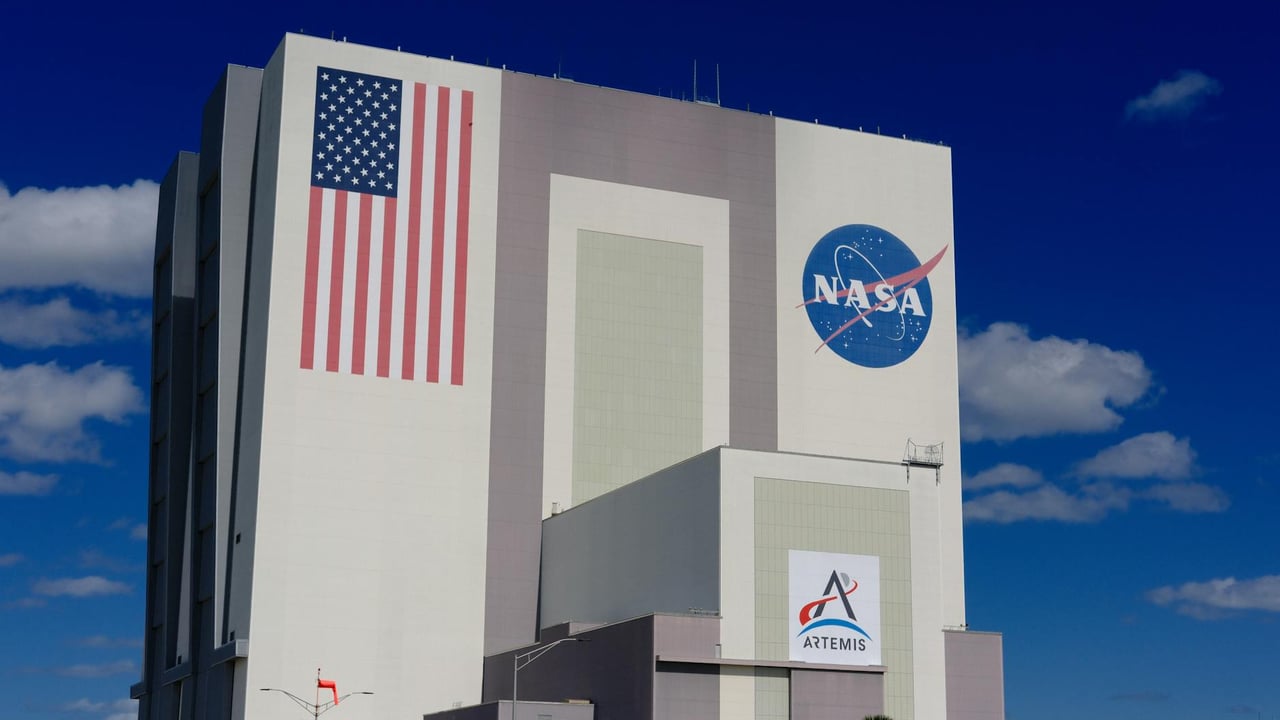

The successful splashdown of the Artemis II mission off the coast of San Diego marks a definitive turning point for NASA and the future of human deep-space exploration. On April 11, the Orion capsule carrying astronauts Christina Koch, Victor Glover, Jeremy Hansen, and Reid Wiseman returned to Earth after a ten-day lunar flyby. This mission, the first crewed journey to the lunar vicinity in over half a century, serves as a high-stakes validation of the hardware intended to eventually place boots on the lunar South Pole.
While the mission is being hailed as a triumph, it was preceded by significant engineering anxiety regarding the Orion spacecraft’s heat shield. Following the uncrewed Artemis I mission in late 2022, investigators discovered that the Avcoat thermal protection material had experienced unexpected cracking and charring. Rather than delay the schedule for a total redesign, NASA engineers opted for a tactical adjustment in the reentry profile, choosing a steeper, faster descent to minimize the duration of extreme thermal exposure. This calculated gamble has now been proven effective, as the capsule withstood temperatures reaching 5,000 degrees Fahrenheit without structural failure.
Beyond the physics of reentry, the mission pushed the boundaries of human reach, with the crew traveling a record-breaking 406,771 kilometers from Earth. During their ten days in orbit, the astronauts conducted manual maneuvering tests with the rocket’s upper stage, simulating the complex docking procedures required for future lunar landings. They also captured high-definition imagery of the lunar far side, providing both scientific data and the symbolic 'Earth-set' photos that have historically galvanized public support for space funding.
However, life aboard the Orion was not without its technical friction, highlighting the persistent challenges of long-duration life support. The crew managed intermittent failures in the urine collection system and waste management line, which required mid-flight repairs under ground guidance. While these issues may seem trivial compared to the physics of orbital mechanics, NASA officials emphasized that resolving these 'plumbing' failures in the lunar environment is critical for the multi-week missions planned for the end of the decade.
As the crew undergoes medical evaluations, the focus of the space community is already shifting toward the fiscal and strategic landscape of 2027 and 2028. The mission’s success coincides with a contentious White House budget proposal that seeks to increase Artemis funding to $8.5 billion while slashing broader scientific research and planetary missions by over 20%. This pivot suggests a strategic decision to prioritize geopolitical prestige and a permanent human presence on the Moon over the slower, more automated pace of robotic solar system exploration.