
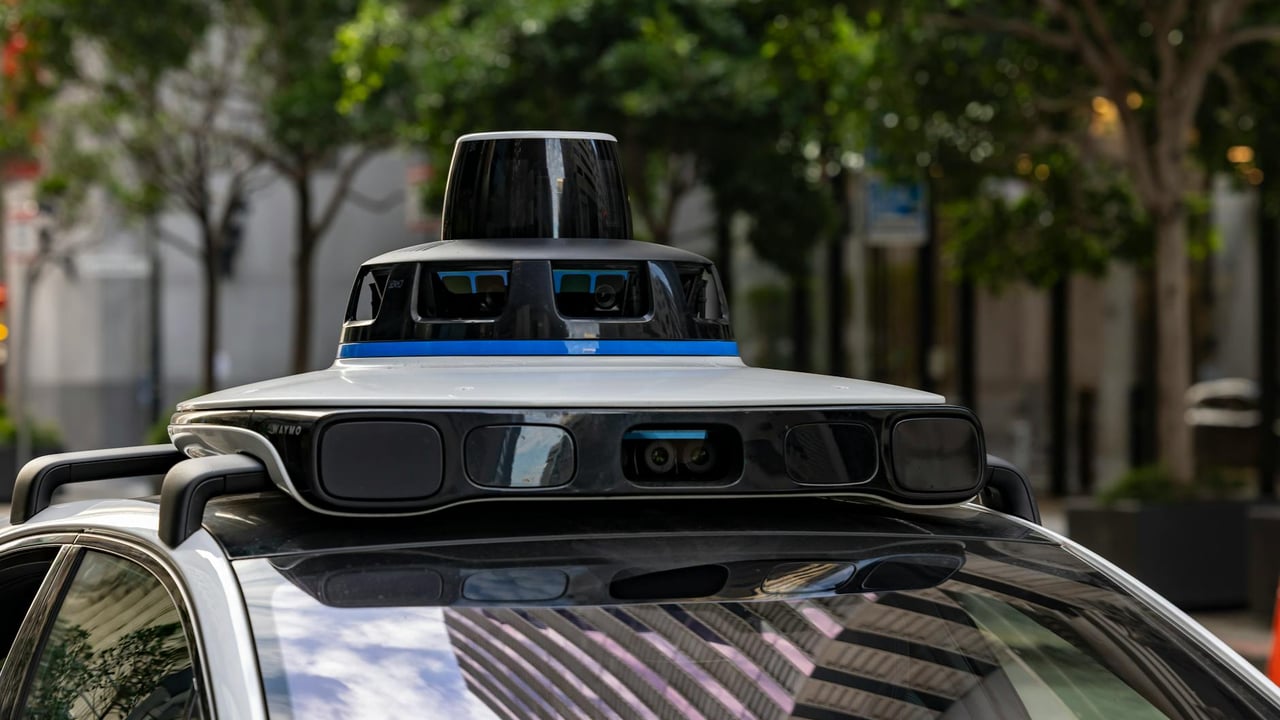

At the 2026 Smart Electric Vehicle Development Forum, DiDi Autonomous Driving CEO Zhang Bo unveiled the next phase of the company's expansion, signaling a pivotal shift in how the tech giant intends to dominate the future of urban mobility. Central to this vision is the latest generation of Robotaxis, co-developed with GAC Aion, which began road testing in early 2026. This partnership underscores a broader trend in the Chinese tech sector where software powerhouses are deepening ties with established automotive manufacturers to bridge the 'valley of death' between prototyping and mass-market deployment.
While rivals focus on pure-play autonomous solutions, DiDi is doubling down on what Zhang calls a 'hybrid ride-hailing network.' This strategy acknowledges the current technical limitations of Level 4 autonomy by integrating self-driving cars into the existing human-driven fleet. By utilizing a hybrid model, DiDi can ensure high service reliability, using human drivers to cover complex routes or peak demand periods while deploying autonomous units in well-mapped, predictable environments. This approach effectively solves the 'cold start' problem that has plagued many western AV startups.
The implications of DiDi’s strategy extend far beyond the streets of Beijing or Shanghai. Zhang emphasized the importance of 'responsible innovation' as a prerequisite for globalizing Chinese autonomous technology. By focusing on a model that complements rather than immediately replaces human labor, DiDi is positioning itself to navigate the complex regulatory and social landscapes of international markets. The delivery of the GAC Aion-partnered fleet represents a tangible step toward proving that this hybrid ecosystem can operate at scale.
Furthermore, DiDi’s massive data moat—harvested from billions of miles of human-driven data—serves as the ultimate training ground for its autonomous algorithms. Unlike companies that rely solely on simulation or limited test fleets, DiDi can cross-reference real-world human behavior with autonomous responses in real-time. This feedback loop is the engine behind their global ambitions, as the company seeks to export its integrated mobility platform to emerging markets where infrastructure is rapidly digitizing.