
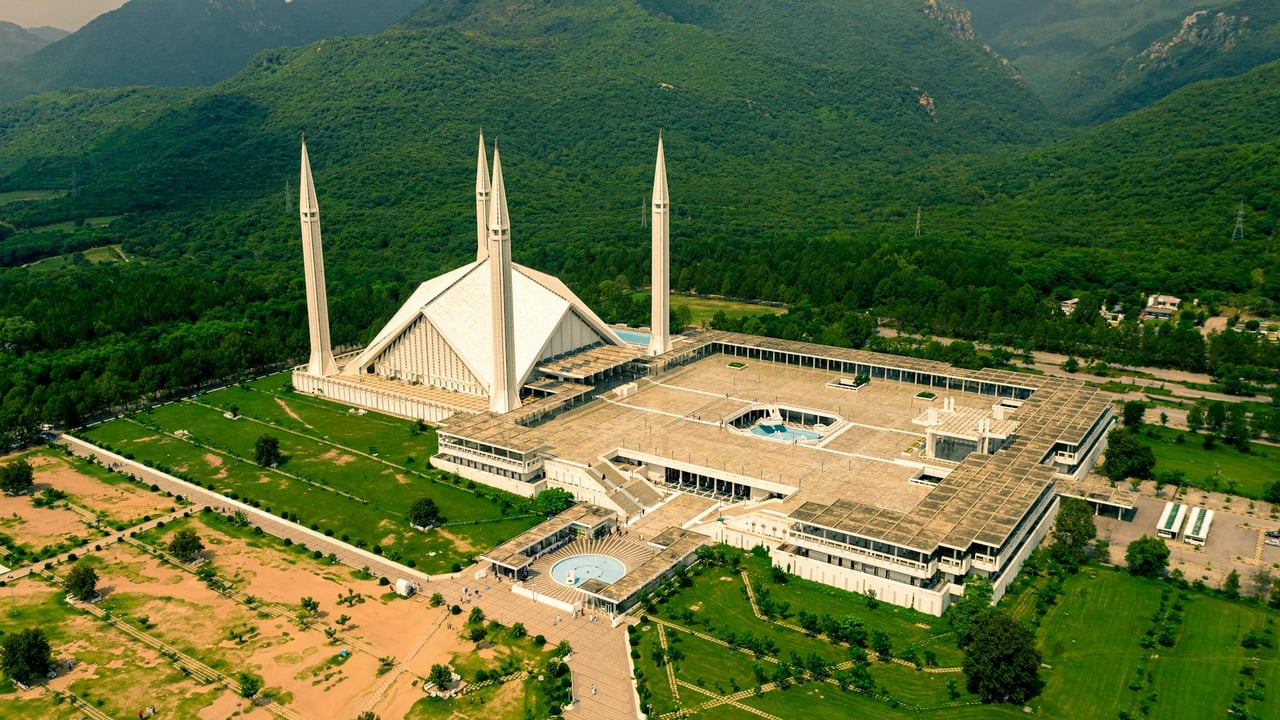

Islamabad has been transformed into a virtual fortress as Pakistan prepares to host one of the most consequential diplomatic encounters of the decade. The city's high-security "Red Zone," which houses the most sensitive government buildings, has been completely sealed off from the public, with local residents reporting that "not even a bird" could penetrate the security cordon. Thousands of armed personnel have been deployed along the route from Nur Khan Airbase to the city’s luxury hotels, signaling the gravity of the upcoming negotiations between the United States and Iran.
The choice of Pakistan as a neutral ground for these talks underscores a significant, if precarious, shift in regional diplomacy. For months, Islamabad has worked behind the scenes to facilitate a channel between Washington and Tehran, seeking to de-escalate tensions that have repeatedly pushed the Middle East toward the brink of a broader war. The Pakistani government has even established a special "green channel" for diplomatic arrivals, offering visas on arrival to ensure that the logistical friction of international travel does not impede the delicate work of statecraft.
Yet, for all the physical preparation, the diplomatic choreography remains dangerously opaque. Conflicting reports from within the Iranian camp have characterized the lead-up to the summit as a game of geopolitical shadow-boxing. While some sources suggested an Iranian arrival as early as April 9, state-aligned media in Tehran later countered that no talks would commence until Washington fulfilled its promises regarding a ceasefire in Lebanon. This linkage of bilateral negotiations to active regional conflicts suggests that Iran is leveraging the Islamabad summit as a tool for broader strategic concessions.
Military analysts warn that the lack of a pre-established procedural framework for these talks creates a volatile environment. Without a clear agenda, the risk of miscalculation or a total collapse of the dialogue remains high, particularly as both sides face immense domestic pressure to avoid appearing weak. As the world watches the shuttered streets of Islamabad, the silence in the negotiation rooms may prove as telling as any formal joint statement that eventually emerges.