
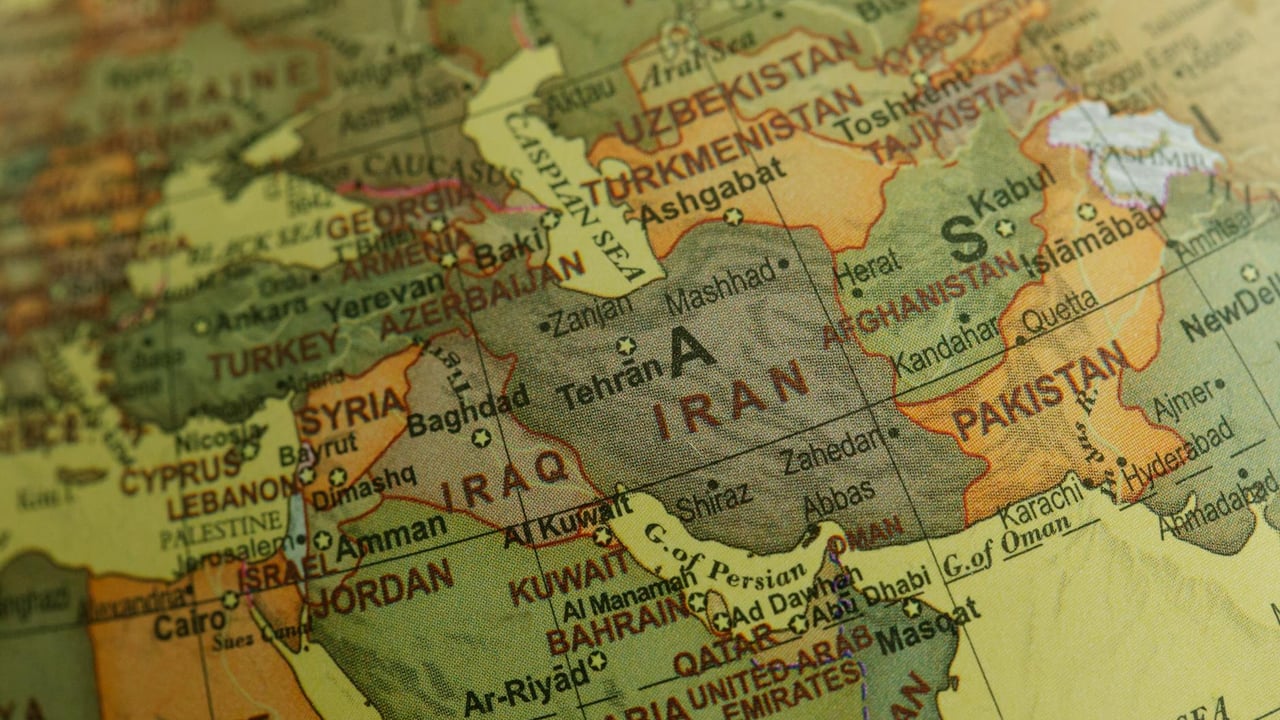

The escalation of hostilities between the United States and Iran in April 2026 has provided a fertile breeding ground for a new, more insidious form of digital warfare. Following the downing of a U.S. Air Force F-15E Strike Eagle by the Iranian Revolutionary Guard Corps, a dramatic narrative of survival and heroism emerged. While the Pentagon celebrated the successful rescue of two airmen as one of the boldest operations in American history, the digital aftermath has exposed a chilling vulnerability in the information ecosystem.
A viral image depicting a smiling American officer clutching a U.S. flag, surrounded by his rescuers, quickly became a symbol of national triumph. The photograph was not just shared by fringe elements but was amplified by high-ranking political figures, including Texas Governor Greg Abbott, Attorney General Ken Paxton, and Representative Mike Lawler. These endorsements lent an air of officiality to a visual narrative that fit perfectly into the domestic political landscape of the moment.
However, forensic analysis by major news agencies and academic institutions has since confirmed that the image is a sophisticated AI-generated fabrication. Experts from Northwestern and Drexel Universities identified classic 'hallucinations' inherent in current generative models. These included an extra, deformed finger on the pilot's hand, anatomically impossible uniform patches, and a U.S. flag featuring a white stripe where none should exist. Despite these glaring technical errors, the image's emotional resonance allowed it to bypass the critical faculties of seasoned politicians.
This incident highlights the growing difficulty of verifying ground truths in real-time during high-stakes geopolitical conflicts. As AI tools become more capable of churning out hyper-realistic imagery, the lag time between a viral post and a professional fact-check—such as those eventually provided by Reuters and AFP—becomes a critical window for misinformation to take root. In this 2026 landscape, the battle for the narrative is being won not by the most accurate reports, but by the most compelling, albeit synthetic, visuals.
Ultimately, the 'rescue photo' serves as a cautionary tale for the digital age. When political leaders prioritize narrative over verification, they inadvertently become cogs in a propaganda machine that erodes institutional credibility. As the dust settles on this specific skirmish, the broader implication remains clear: in the future of warfare, the most dangerous weapon may not be a missile, but a perfectly timed, AI-generated lie.