

The splashing of the Orion spacecraft into the Pacific Ocean near San Diego marks more than just the conclusion of a ten-day lunar flyby; it signals the definitive end of a half-century hiatus in deep-space human exploration. Traveling at a blistering Mach 32, the Artemis II capsule endured the brutal physics of atmospheric reentry, successfully shielding its four-member crew from temperatures approaching 5,000 degrees Fahrenheit. This successful recovery validates NASA’s primary architecture for returning humans to the lunar surface and, eventually, pushing toward Mars.
While the mission was a triumph of engineering, it was not without the grit and discomfort characteristic of early-stage space frontiers. Reports indicate that the crew managed a series of technical hurdles, including a persistent failure of the capsule’s waste management system that forced a reliance on contingency measures. These human-centric challenges underscore the reality that despite the high-tech veneer of modern avionics, the biological survival of astronauts in the deep-space environment remains a precarious and evolving science.
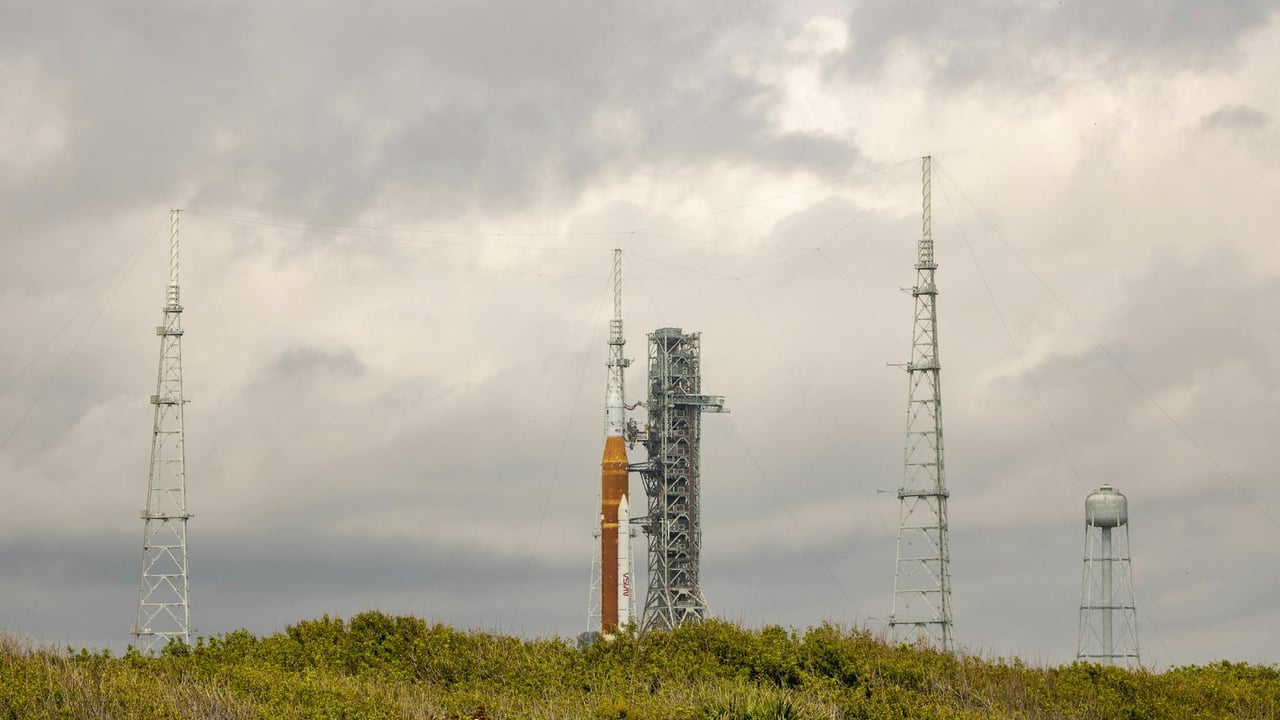
This mission serves as a critical dress rehearsal for Artemis III, the ambitious follow-up tasked with putting boots back on the lunar south pole. By successfully navigating a 10-day loop around the moon and back, NASA has demonstrated that the Orion capsule and the Space Launch System (SLS) are capable of sustaining life beyond low-Earth orbit. The achievement provides a psychological and political boost to a program that has faced significant scrutiny regarding its budget and timeline.
For the global community, the success of Artemis II serves as a clear signal of American intent in the burgeoning 'Lunar Space Race.' Unlike the Apollo missions of the 1960s, which were primarily concerned with geopolitical prestige, the Artemis program is designed around the concept of sustainable presence. The data gathered during this orbit will be foundational for the construction of the Lunar Gateway and the long-term exploitation of lunar resources, setting the stage for a new era of extraterrestrial commerce and competition.