

The global geopolitical theater has shifted to the Serena Hotel in Islamabad, where the United States and Iran are poised to engage in a high-stakes diplomatic gamble. President Donald Trump has set a razor-thin 24-hour window for progress, combining characteristic bravado with a direct threat of resumed military strikes if negotiations fail. This aggressive deadline underscores a return to transactional brinkmanship intended to force Tehran into a corner before the first formal session even begins.
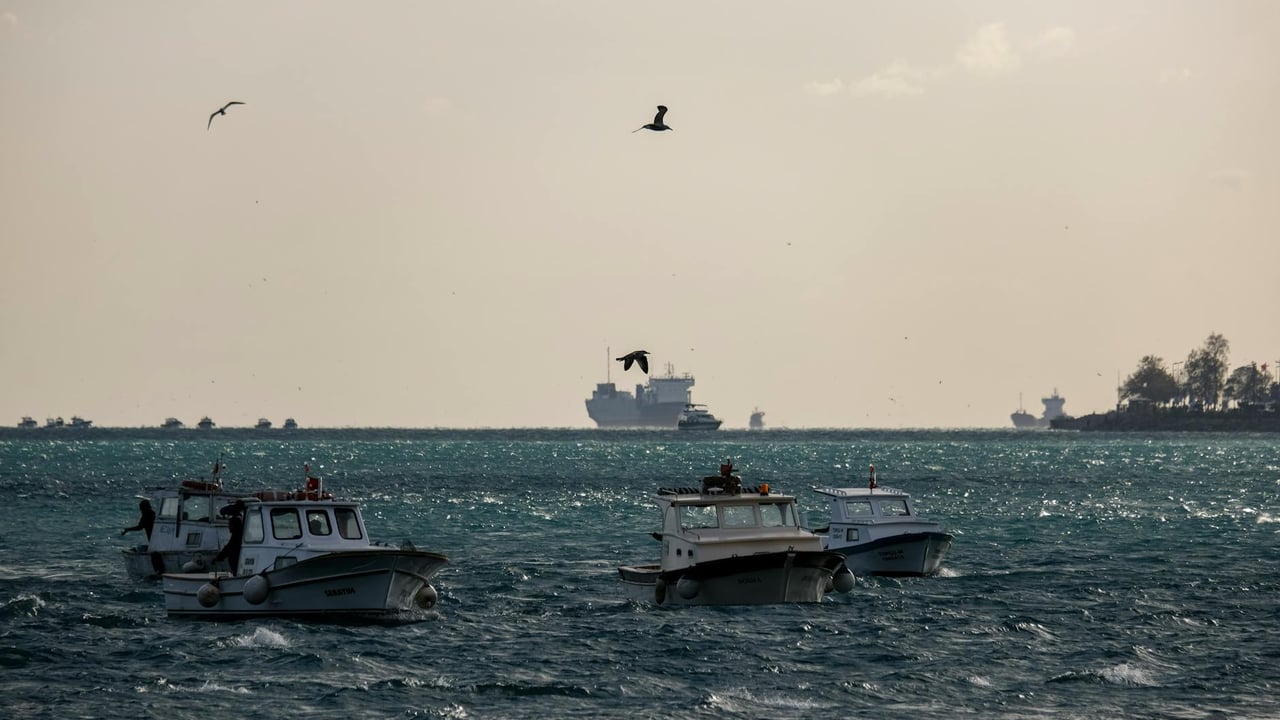
At the heart of this confrontation lies the Strait of Hormuz, a critical global energy artery that Trump insists must be opened with or without Iran's cooperation. The American president has framed the negotiation primarily as a nuclear disarmament mission, asserting that preventing Tehran from obtaining a nuclear weapon constitutes 99% of the proposed agreement's substance. Trump further dismissed Iran's regional leverage, claiming the Islamic Republic has no cards left to play other than maritime harassment.
Vice President J.D. Vance has been dispatched to lead the American delegation, a move that signals both the gravity of the mission and the administration's desire for a loyalist to secure a grand bargain. Trump’s rhetoric remains uncompromising, characterizing the Strait as international waters and explicitly warning that he will not tolerate Iranian attempts to levy transit fees on global shipping. The inclusion of Vance suggests that the White House views this as a legacy-defining moment that requires high-level executive oversight.
For Tehran, the perspective is one of weary skepticism rooted in a history of what Parliament Speaker Mohammad Bagher Ghalibaf calls perfidy and failure. While expressing a guarded willingness to reach a settlement, Ghalibaf has laid out non-negotiable preconditions, including a ceasefire in Lebanon and the unfreezing of Iranian assets. He warned that if the United States intends to use the Islamabad summit as a mere publicity stunt, Iran is prepared to defend its rights through alternative means.
The involvement of Pakistan as a mediator adds a layer of regional complexity to the talks. As Ghalibaf meets with Prime Minister Shehbaz Sharif ahead of the main event, the world watches to see if this maximum pressure diplomacy can yield a breakthrough. The 24-hour ultimatum puts immense pressure on both sides to skip diplomatic niceties and move directly to the core of an exceptionally volatile conflict.