
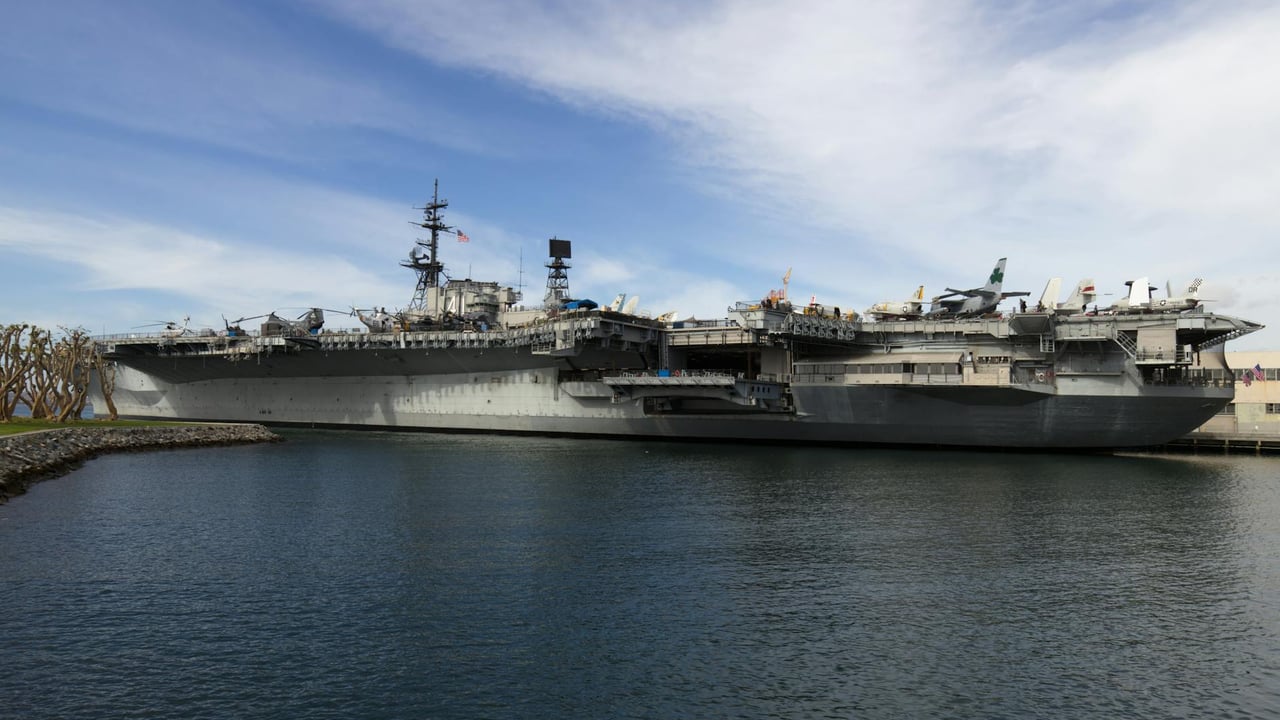

As diplomats from Washington and Tehran prepare to convene in Islamabad for a high-stakes round of negotiations, the Pentagon is ensuring that its diplomatic overtures are backed by significant maritime muscle. The USS George H.W. Bush carrier strike group, which departed Virginia in late March, is currently transiting the Atlantic and is expected to reach the Middle East within the next ten days. This movement is not merely a routine rotation but a calculated signal of readiness as the two adversaries test the waters of a potential detente.
The deployment of a Nimitz-class aircraft carrier alongside its full contingent of guided-missile cruisers and destroyers provides the White House with a versatile tool for 'coercive diplomacy.' By reinforcing its aerial and naval presence in the region, the U.S. aims to limit Iran's regional maneuvering space while the talks are underway. This dual-track strategy reflects a deep-seated skepticism within the current administration regarding Tehran’s long-term intentions and its influence over proxy forces in the Levant and the Gulf.
Choosing Islamabad as the venue for these talks underscores the shifting geopolitical landscape of South Asia and the Middle East. Pakistan's role as a mediator highlights a rare point of convergence for regional stability, yet the shadow of the incoming American carrier group suggests that the U.S. is not yet ready to rely solely on the goodwill of third-party facilitators. The arrival of the Bush will synchronize almost perfectly with the expected climax of the initial negotiation phase, providing a potent visual reminder of American reach.
While the official narrative from the Department of Defense emphasizes 'readiness for possible military operations,' the timing suggests a more nuanced objective of preventing escalation. By surging forces now, Washington hopes to deter any tactical provocations that might be intended to gain leverage at the bargaining table. The next two weeks will prove critical as the world watches whether this blend of naval deterrence and diplomatic engagement can finally unlock a path toward regional de-escalation.