Chasing Bolt: China’s Unitree H1 Sprints into the Record Books at 10m/s

Chinese robotics firm Unitree has set a new world record with its H1 humanoid robot, reaching a sprint speed of 10m/s. This achievement underscores China's rapid progress in robotic hardware and its ambition to lead the global 'embodied AI' market.

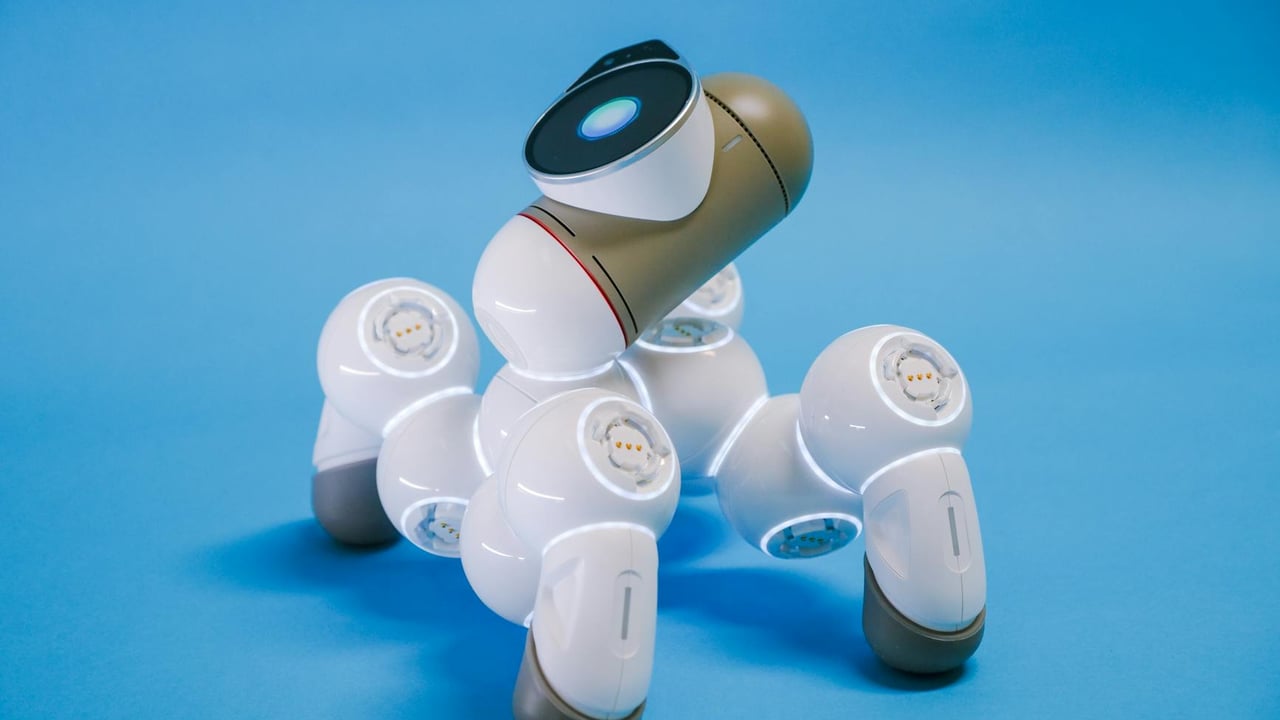
Close-up of an advanced robotic dog showcasing futuristic technology.

Key Takeaways

  • 1Unitree H1 humanoid robot reached a record-breaking speed of 10m/s (approx. 22.4 mph).
  • 2The robot weighs 62kg and utilizes advanced M107 high-torque motors for locomotion.
  • 3The achievement puts the robot within striking distance of elite human sprinting speeds, such as Usain Bolt's 12.42m/s peak.
  • 4China is increasingly positioning itself as a leader in the commoditization and rapid iteration of humanoid robotics hardware.

Editor's
Desk

Strategic Analysis

The H1’s record-breaking sprint serves as a significant geopolitical and industrial marker. While American firms have traditionally led in the 'brains'—the complex software and AI—of robotics, Chinese firms like Unitree are demonstrating a superior ability to scale and iterate high-performance 'bodies' or hardware. This 'speed' isn't just about velocity; it represents the efficiency of the power-to-weight ratio and the maturity of domestic motor technology. As Beijing integrates humanoid robotics into its national strategic goals—ranging from elderly care solutions to advanced manufacturing—we are seeing the emergence of a 'Robotics Valley' in China that could soon outpace Silicon Valley in terms of hardware deployment and cost-efficiency. This record is a clear signal that the gap between Western prototypes and Chinese production-ready humanoids is closing at an exponential rate.

China Daily Brief Editorial
Strategic Insight
China Daily Brief

The global race for humanoid robotics has entered a high-velocity phase as Chinese firm Unitree Technology announced its H1 model has reached a sprinting speed of 10 meters per second. This milestone shatters previous world records for full-sized humanoid robots, bringing mechanical bipedal movement closer to the realm of human athletic performance than ever before.

Weighing approximately 62 kilograms with a leg length of 0.8 meters, the H1 utilizes high-torque motors to achieve its record-breaking propulsion. While the peak speed of legendary sprinter Usain Bolt remains higher at roughly 12.42 meters per second, the H1’s ability to maintain balance and gait at such speeds demonstrates a massive leap in dynamic stability and actuator control.

This breakthrough is symptomatic of a broader trend within China’s technology sector, where companies are pivoting rapidly toward "embodied AI" and advanced manufacturing. Unitree, a startup that gained fame for its agile quadrupedal "robot dogs," is now leveraging a robust domestic supply chain to iterate humanoid hardware at a pace that is challenging the historical dominance of Western firms like Boston Dynamics.

The significance of the 10m/s threshold extends beyond mere spectacle; it serves as a critical stress test for the control algorithms and power systems that will eventually allow these robots to operate in high-intensity environments. As humanoid robots move from laboratory curiosities toward practical applications in logistics, disaster relief, and industrial assembly, the ability to manage high kinetic energy safely will be a defining metric of commercial viability.

Share Article

Related Articles

📰
No related articles found