
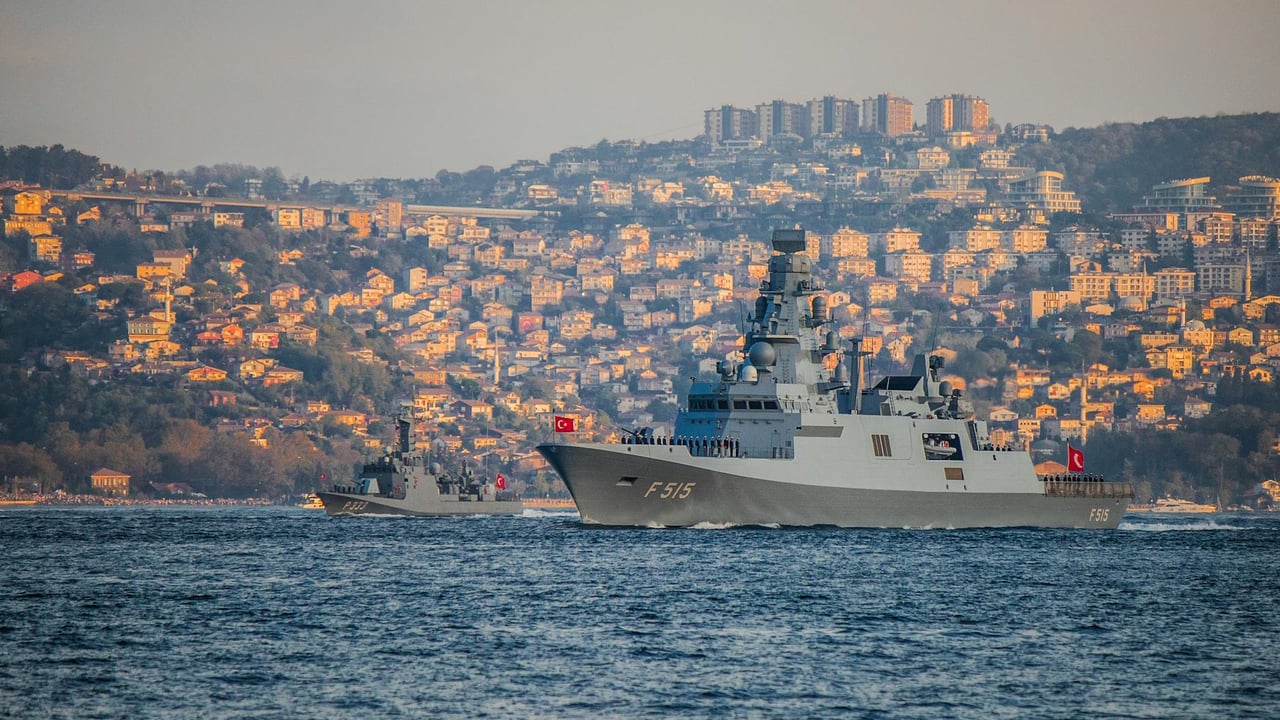

The passage of several U.S. Navy vessels through the Strait of Hormuz marks a critical shift in the naval standoff that has defined the ongoing conflict in Iran. This movement represents the first such transit since hostilities broke out, effectively challenging the de facto blockade and regional dominance Iran has sought to project over this vital energy artery. By navigating these contested waters, Washington is signaling a transition from defensive posturing to an active assertion of maritime influence.
While the Department of Defense has framed the maneuver as a routine assertion of freedom of navigation, the timing suggests a more assertive geopolitical posture. By navigating the narrow chasm between the Persian Gulf and the Gulf of Oman, Washington is signaling its intent to protect global oil supplies and reassure regional allies who have been rattled by months of escalating maritime skirmishes. The maneuver serves as a physical rebuttal to the notion that the Strait can be closed by any single regional power.
The geopolitical weight of the Strait cannot be overstated, as it remains the transit point for nearly a fifth of the world's total petroleum consumption. Iran has historically used the threat of closing the waterway as a strategic lever to gain concessions or deter foreign intervention. However, this recent American naval presence indicates that the threshold for Iranian interference has been met with a calculated and visible show of force designed to de-escalate through strength.
Observers in Beijing and Moscow will be watching the Iranian response closely, as any direct engagement could spiral into a broader regional conflagration. For now, the transit serves as a litmus test for Iran’s naval capabilities and its willingness to confront a superior maritime power in its own backyard during an active state of war. The successful passage without immediate kinetic response suggests a temporary recalibration of risk by the leadership in Tehran.