
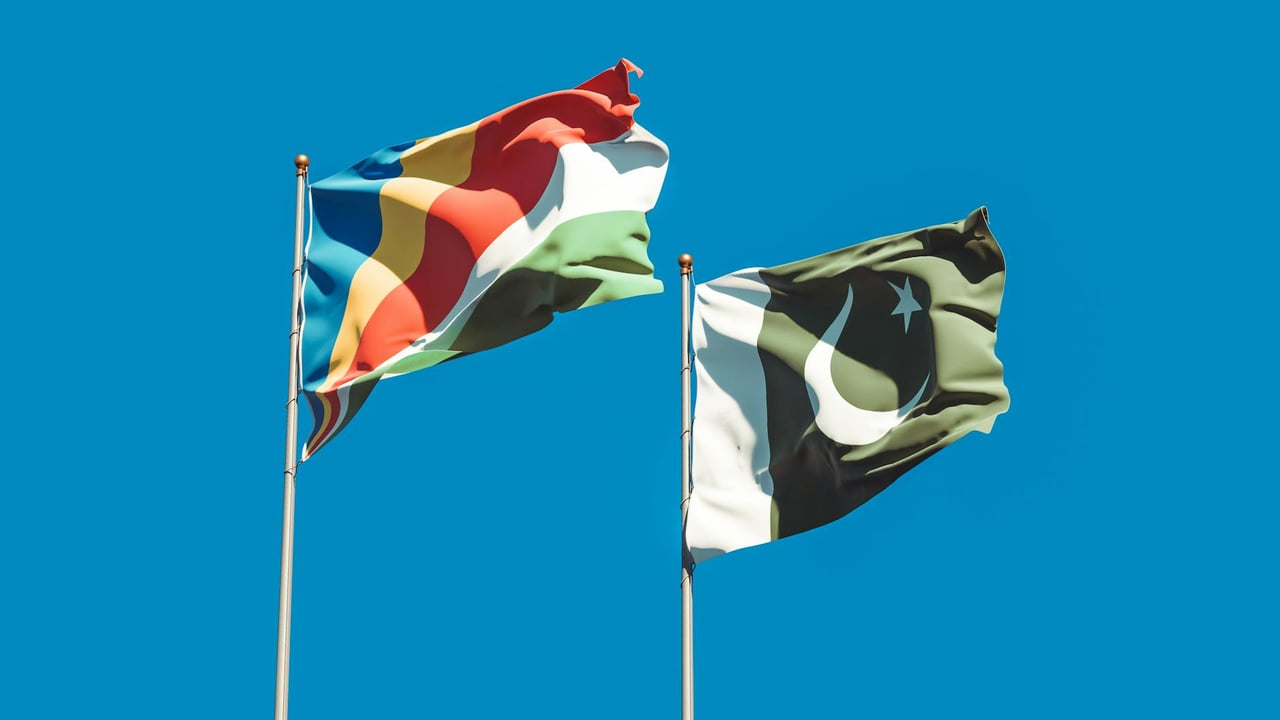

The meeting between Pakistan’s Prime Minister and a high-level Iranian negotiation delegation marks a significant pivot in a relationship that has often oscillated between wary cooperation and overt hostility. Coming after a period of intensified border friction, the engagement signals a renewed commitment to diplomatic resolution over military posturing. This high-profile interaction suggests that both Islamabad and Tehran are prioritizing regional stability as they navigate internal economic pressures.
Historically, the Islamabad-Tehran axis has been strained by a chronic security dilemma rooted in the restive Balochistan region. Both capitals have frequently traded accusations of harboring separatist insurgents, a cycle of blame that peaked with unprecedented tit-for-tat missile strikes in 2024. This current round of talks suggests a mutual realization that neither state can afford sustained escalation given their respective domestic vulnerabilities and the shifting security landscape in neighboring Afghanistan.
Economic pragmatism serves as a silent partner in these negotiations. For Pakistan, grappling with a chronic balance-of-payments crisis and soaring energy costs, the long-dormant Iran-Pakistan gas pipeline offers a potential, albeit politically risky, lifeline. Tehran, meanwhile, views Pakistan as a crucial gateway to South Asian markets and a partner in its broader strategy to bypass Western-led economic isolation through regional integration.
Beyond bilateral concerns, the stability of the frontier and the broader security of the Persian Gulf loom large in these discussions. As China continues to expand its footprint through the China-Pakistan Economic Corridor (CPEC), Beijing’s interest in maintaining a stable border between its two partners likely provides an external nudge toward rapprochement. This meeting is a calculated attempt to transform a volatile border into a corridor of commerce and shared security interests.