
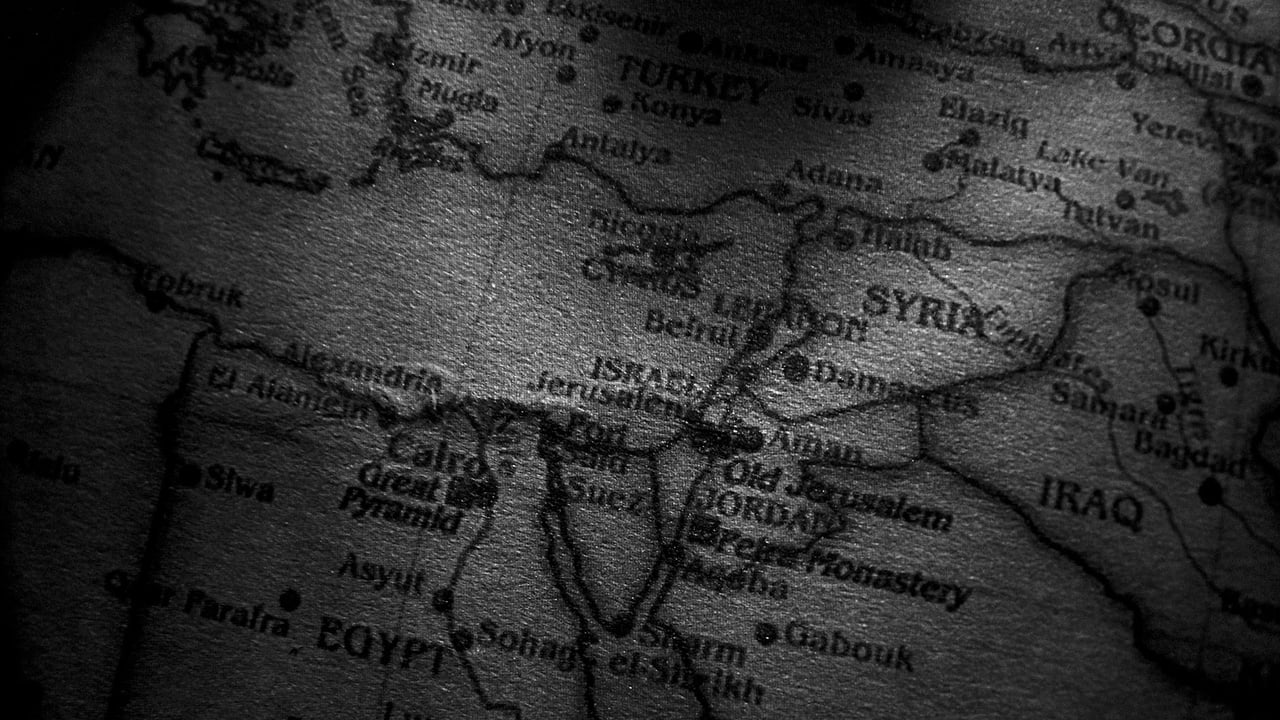

In a move that underscores both the shifting dynamics of Middle Eastern power and Israel’s uncompromising security doctrine, Prime Minister Benjamin Netanyahu has signaled a conditional willingness to enter direct peace negotiations with Lebanon. This announcement follows what Netanyahu described as multiple overtures from Beirut over the past month, marking a potential, if fraught, pivot in the long-standing regional conflict.
However, the price for a seat at the diplomatic table remains exceptionally steep. Netanyahu has laid out two non-negotiable prerequisites: the total disarmament of Hezbollah and the establishment of a robust, long-term peace treaty. By demanding the removal of Lebanon’s most powerful non-state military actor, Israel is effectively asking the Lebanese government to achieve a feat that has eluded it for decades.
The timing of these demands is as significant as their content. By framing the disarmament of Hezbollah as a precursor to peace, Netanyahu is placing the burden of regional stability squarely on the shoulders of the fragile Lebanese state. This maneuver likely aims to isolate Hezbollah domestically while providing a strategic justification for continued Israeli military pressure should these conditions go unmet.
Beyond the immediate border with Lebanon, the shadow of Tehran continues to loom large over Israeli strategic planning. Netanyahu’s explicit assertion that the military mission against Iran is far from finished serves as a reminder that Israel views its northern front as one theater in a broader existential struggle. The "unfinished tasks" he referenced suggest that the shadow war between Jerusalem and Tehran is entering a more overt and perhaps more dangerous phase.