The Islamabad Thaw: Washington and Tehran Engage in Highest-Level Direct Talks Since 1979

United States and Iranian officials held their highest-level direct meeting since 1979 in Islamabad, Pakistan. Facilitated by Pakistani mediation, the face-to-face talks represent a historic breakthrough in de-escalating decades of bilateral hostility.

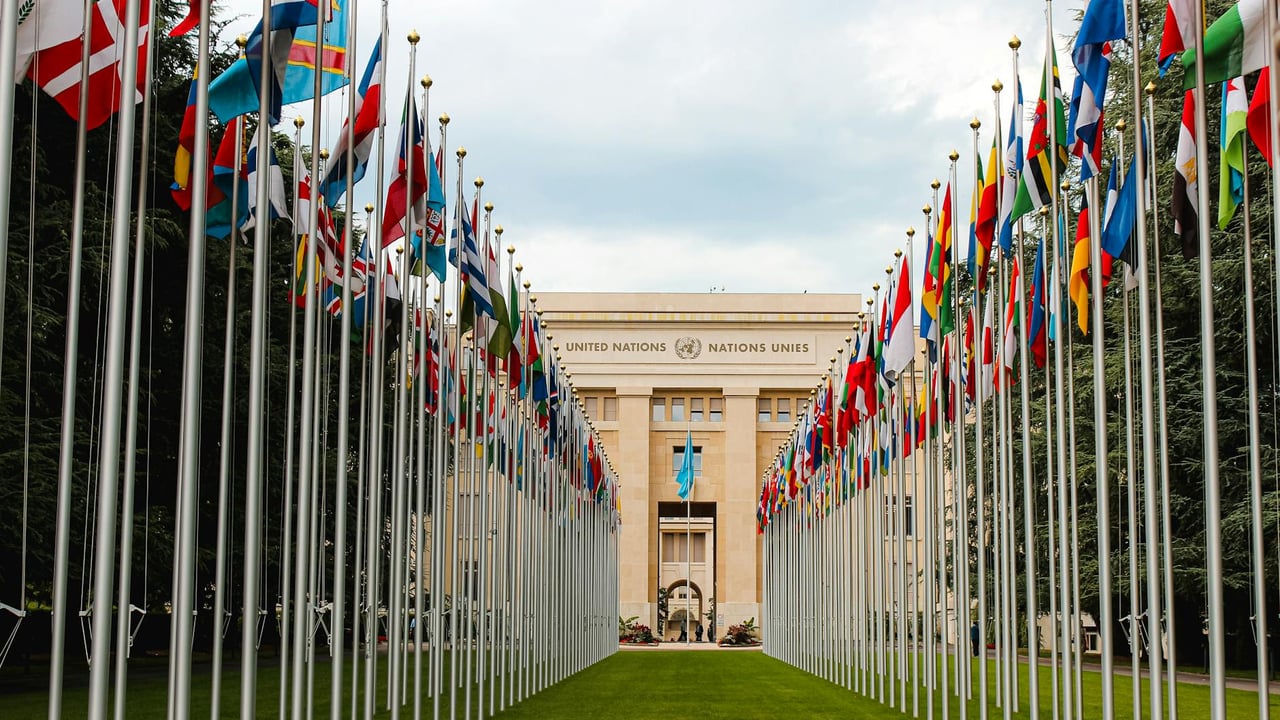
From below of various flags on flagpoles located in green park in front of entrance to the UN headquarters in Geneva

Key Takeaways

  • 1Historic face-to-face meeting between high-level US and Iranian delegations in Islamabad.
  • 2First direct engagement of this caliber since the 1979 Islamic Revolution.
  • 3Pakistan served as the primary mediator, facilitating both bilateral and tripartite sessions.
  • 4The talks signal a potential move away from the 'maximum pressure' and 'no-contact' policies of the past.
  • 5The event marks a significant diplomatic win for Pakistan's regional standing.

Editor's
Desk

Strategic Analysis

This meeting represents a calculated gamble for both the Biden administration (or its successor) and the Iranian leadership. After years of failed JCPOA revival attempts and regional flare-ups, the shift to face-to-face dialogue suggests that the cost of non-engagement has finally outweighed the domestic political risks of direct contact. Pakistan’s role is also critical; by hosting these talks, Islamabad is positioning itself as an indispensable neutral ground, likely with the quiet blessing of other regional powers. While a 'Grand Bargain' remains unlikely in the short term, this 'Islamabad Thaw' could establish the essential de-confliction channels necessary to prevent an all-out regional war and address the nuclear impasse through direct, rather than filtered, communication.

China Daily Brief Editorial
Strategic Insight
China Daily Brief

In the hushed corridors of Islamabad’s Serena Hotel, a diplomatic silence of nearly half a century has finally been broken. On the evening of April 11, 2026, representatives from the United States and Iran sat across from one another for the highest-level direct negotiations since the 1979 Islamic Revolution. This face-to-face encounter, facilitated by Pakistani mediators, marks a seismic shift in a relationship long defined by proxy wars and frozen assets.

The significance of this meeting cannot be overstated, as it moves beyond the "shuttle diplomacy" and back-channel messaging that have characterized the last four decades. By transitioning from indirect talks to a tripartite format involving Pakistan, both Washington and Tehran are signaling a pragmatic willingness to address long-standing grievances. The choice of Islamabad as a venue underscores Pakistan's growing role as a middle-power arbiter capable of bridging the divide between the West and the Islamic Republic.

For the international community, the stakes involve more than just bilateral de-escalation. The shadow of nuclear proliferation, regional maritime security, and the stability of the global energy market all loom large over these discussions. While the immediate agenda remains under tight wraps, the mere presence of high-ranking officials in the same room suggests a mutual recognition that the status quo of "maximum pressure" and "strategic patience" has reached its limit.

However, the road ahead remains fraught with domestic political risks for both administrations. In Washington, any thaw with Tehran faces intense scrutiny from hawks, while in Tehran, the revolutionary guard remains wary of Western engagement. Success will depend on whether this Islamabad summit is a one-off performance or the beginning of a sustained, institutionalized dialogue aimed at a new regional architecture.

Share Article

Related Articles

📰
No related articles found