Diplomatic Thaw: Tehran and Washington Pivot to Substantive Issues in Landmark Negotiations

Iran has officially reported progress in negotiations with the United States, indicating that both nations are now discussing major substantive issues. This shift toward direct engagement on core topics could signal a major de-escalation in the Middle East and a potential reconfiguration of regional alliances.

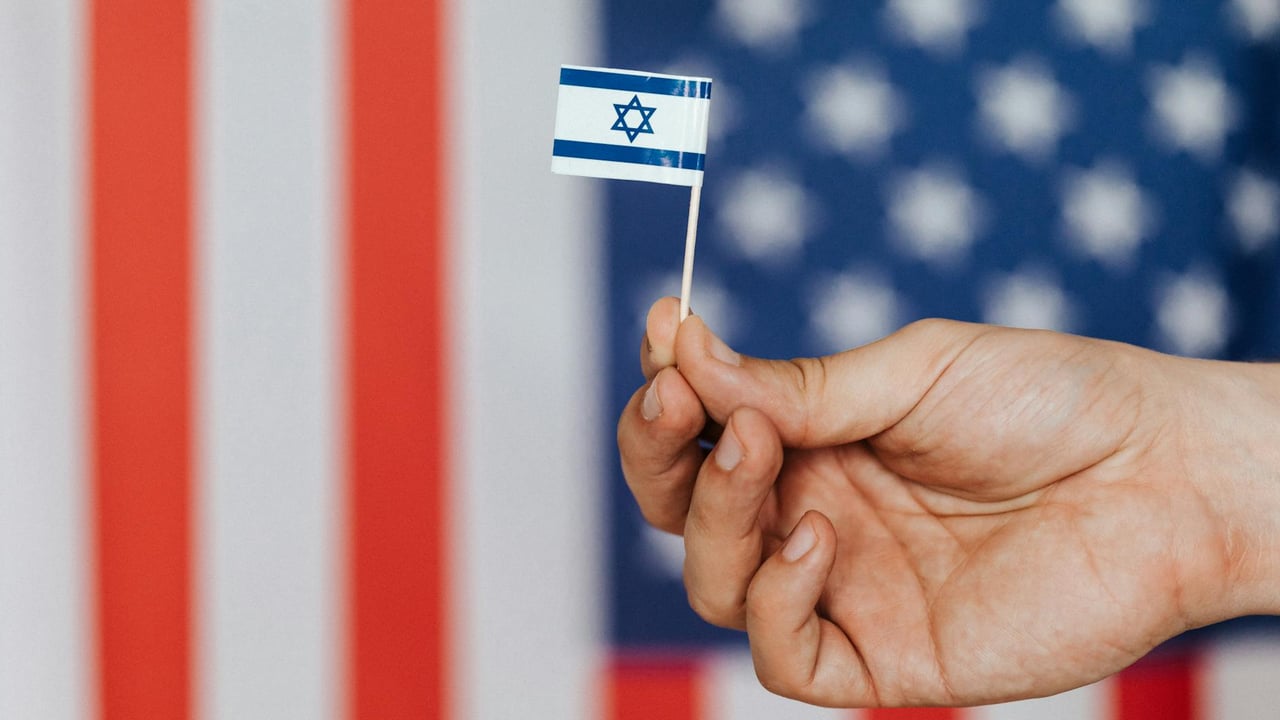
Closeup of crop unrecognizable person holding small flag of Israel before huge flag of United States of America on background

Key Takeaways

  • 1Tehran has confirmed that negotiations with the U.S. have moved beyond procedural stages to focus on major substantive issues.
  • 2The discussions likely center on the lifting of economic sanctions in exchange for renewed nuclear oversight and compliance.
  • 3Progress in these talks marks a potential shift in the regional status quo, which has been defined by high tension and economic isolation for Iran.
  • 4The development poses a strategic challenge for China, which has benefited from its role as Iran's primary economic and diplomatic partner during the era of U.S. sanctions.

Editor's
Desk

Strategic Analysis

The pivot to substantive talks reflects an exhaustion with a status quo that has burdened the Iranian economy and strained American diplomatic resources. For China, a U.S.-Iran rapprochement is a double-edged sword: while regional stability benefits the Belt and Road Initiative, it also diminishes Iran's strategic dependence on Beijing. If Tehran successfully re-enters the global financial system via Western channels, China may lose the 'exclusive' leverage it has enjoyed, forcing a recalibration of its Middle East strategy from being an alternative power to a more complex balancing act between two wary but re-engaging rivals.

China Daily Brief Editorial
Strategic Insight
China Daily Brief

Tehran has signaled a potentially decisive shift in its long-stalled diplomatic dance with Washington, reporting that both sides have finally pivoted from procedural squabbles to the substance of their core disagreements. While the specific parameters of these major topics remain closely guarded, the mere acknowledgement of direct engagement on fundamental issues suggests a breakthrough that has eluded negotiators for several years.

For the global energy market and the broader security architecture of the Middle East, the stakes of these discussions could not be higher. A successful outcome would likely involve the easing of draconian US sanctions in exchange for verifiable limits on Iran’s nuclear program, a trade-off that has remained the elusive holy grail of international diplomacy since the collapse of previous frameworks.

This development comes at a critical juncture for Beijing, which has increasingly positioned itself as a diplomatic heavyweight in the Persian Gulf. Should Washington and Tehran find a viable bilateral path forward, it could complicate China's comprehensive strategic partnership with Iran, a relationship that has thrived largely due to Tehran’s international isolation and its reliance on Chinese economic lifelines.

However, significant hurdles remain as domestic hardliners in both capitals view any concession with profound skepticism. The transition from discussing negotiation topics to signing a formal agreement is a journey fraught with political landmines, and international observers remain cautious about whether this momentum can survive the pressure of upcoming election cycles and regional proxy tensions.

Share Article

Related Articles

📰
No related articles found