Sacrifice in Hebei: Tragic Drownings Highlight the Weight of Heroism in Modern China

Three men, including two veterans and an aspiring soldier, drowned in Jinzhou while attempting to save a woman from a river. The local government is now formalizing their status as heroes, highlighting a national culture that deeply prizes self-sacrifice and 'righteous' behavior.

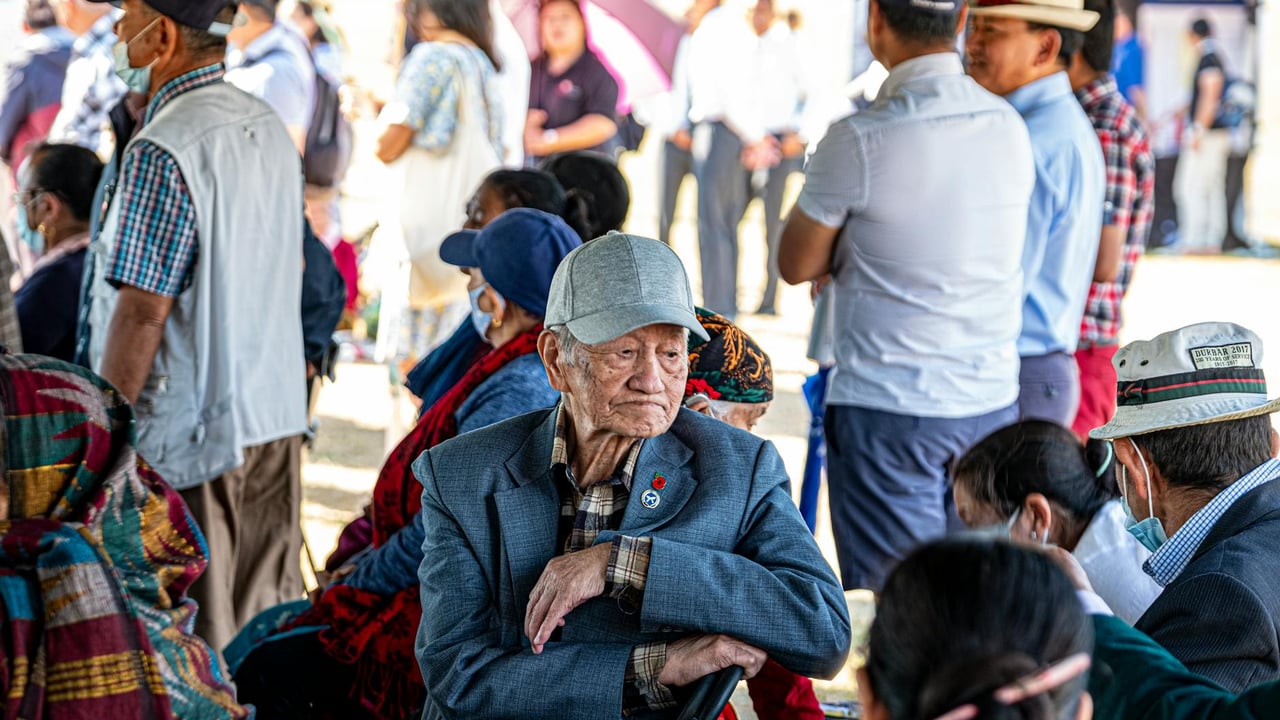
Elderly veterans gather in Aldershot, UK for a Veterans Day celebration outdoors under a tent.

Key Takeaways

  • 1Three rescuers—two veterans and one aspiring soldier—died after attempting to save a drowning woman in Hebei.
  • 2The victims' bodies were recovered after a seven-day search operation following the incident.
  • 3Xu Chuang and Zhao Tianyuan have been nominated for the 'Righteous and Courageous' award by local authorities.
  • 4Police auxiliary officer Ma Qiushi is being processed for official recognition of dying in the line of duty.
  • 5The incident has become a focal point for national mourning and the celebration of military values in civilian life.

Editor's
Desk

Strategic Analysis

The recognition of these three men as 'Righteous and Courageous' individuals serves a dual purpose in the Chinese sociopolitical landscape. On one hand, it validates the state's investment in veteran affairs, illustrating that military discipline and ethos remain active in the civilian sector. On the other, it reinforces a social contract where the state compensates and honors those who step in where infrastructure or emergency services might be absent. The speed at which 'Jianyi Yongwei' status is granted in such high-profile cases reflects Beijing's desire to use these tragedies as moral anchors, encouraging a culture of mutual aid that mitigates the 'bystander effect' often criticized in modernizing urban societies.

China Daily Brief Editorial
Strategic Insight
China Daily Brief

A tragic rescue attempt in Jinzhou, Hebei province, has claimed the lives of three men, sparking a national conversation about the high cost of self-sacrifice. The incident began when a woman fell into a local river, prompting immediate intervention from a nearby restaurant owner, a police auxiliary officer, and a local teenager. Despite their efforts, all three rescuers were overcome by the current and succumbed to exhaustion.

Among the deceased were Xu Chuang and Ma Qiushi, both of whom were veterans of the People’s Liberation Army. They were joined by 19-year-old Zhao Tianyuan, who was reportedly preparing to enlist in the military. This shared background of service and martial aspiration has struck a chord with the Chinese public, framing the tragedy as a poignant example of the 'soldier's spirit' transcending active duty.

In the wake of the incident, local authorities in Jinzhou have moved to officially recognize Xu and Zhao under the 'Righteous and Courageous' (Jianyi Yongwei) designation. Meanwhile, Ma Qiushi, the auxiliary officer, is being processed for 'death in the line of duty' honors. These bureaucratic distinctions are significant in China, as they provide both symbolic prestige and financial support to the families of those who perish during acts of bravery.

The event underscores the persistent emphasis on 'Positive Energy' (zheng nengliang) within Chinese state media, which frequently highlights individual acts of heroism to bolster social cohesion. While the loss of three young lives is a profound tragedy, the narrative being constructed focuses on the enduring moral fiber of the community and the ideological success of the nation’s veteran support systems.

Share Article

Related Articles

📰
No related articles found