

The once-impermeable alliance between Saudi Arabia and the United Arab Emirates is showing profound fractures as the two Gulf giants diverge on critical regional security strategies. While both nations have long leveraged their vast oil wealth to maintain dominance in the Middle East, their strategic interests are now clashing in ways that could redefine the geopolitical landscape of the Arabian Peninsula.
At the heart of this friction is the prolonged conflict in Yemen, where the two allies have historically supported opposing factions. While Riyadh continues to back the internationally recognized government, Abu Dhabi has tilted its support toward the Southern Transitional Council. This divergence has transformed a joint intervention into a complex game of regional chess, turning former partners into competitors for influence along the Red Sea coast.
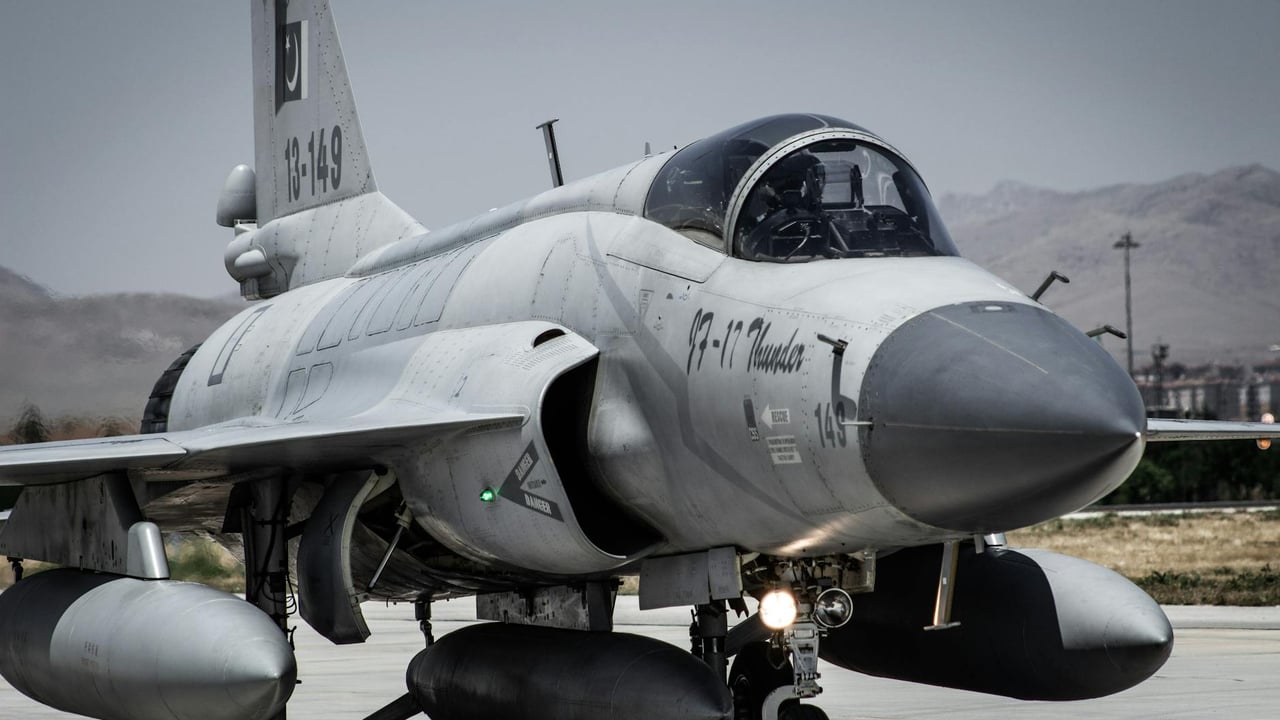
In a striking development, Saudi Arabia has recently confirmed the deployment of Pakistani Air Force fighter jets to the Kingdom. This military move, anchored in a long-standing bilateral defense treaty between Riyadh and Islamabad, signals a significant shift in Saudi security calculus. Rather than relying solely on its immediate neighbors, Riyadh is increasingly looking toward external partners to shore up its defenses.
Analysts suggest this deployment is not merely a hedge against Iran’s missile capabilities, which have been somewhat constrained by international pressure. Instead, it serves as a subtle counterweight to the UAE’s increasingly assertive military posture. The presence of Pakistani pilots provides Riyadh with a professionalized, neutral security buffer that allows the Kingdom to balance internal Gulf tensions without escalating directly with Abu Dhabi.
Simultaneously, the UAE has adopted a more aggressive stance, seeking to project power through alignments with the United States and Israel to pressure the Iranian regime. This hawkish approach often bypasses Saudi preferences for regional stability, leading to a sense of unease in Riyadh. The Kingdom now finds itself in the uncomfortable position of having to manage both a traditional rival in Tehran and an increasingly unpredictable partner in Abu Dhabi.
As the rift widens, the stability of the Gulf Cooperation Council hangs in the balance. The introduction of Pakistani military assets adds a new variable to an already volatile equation, suggesting that the era of unified Gulf policy is effectively over. If this trend of competitive security arrangements continues, the Middle East may face a more fragmented and fragile security environment where old alliances no longer offer the protection they once promised.