Brinkmanship in the Strait: Trump Escalates Iran Tensions Despite Claims of Diplomatic Progress

President Trump has ordered a naval blockade of the Strait of Hormuz and the interception of ships paying tolls to Iran, despite claiming that broader negotiations with Tehran are progressing smoothly on non-nuclear issues.

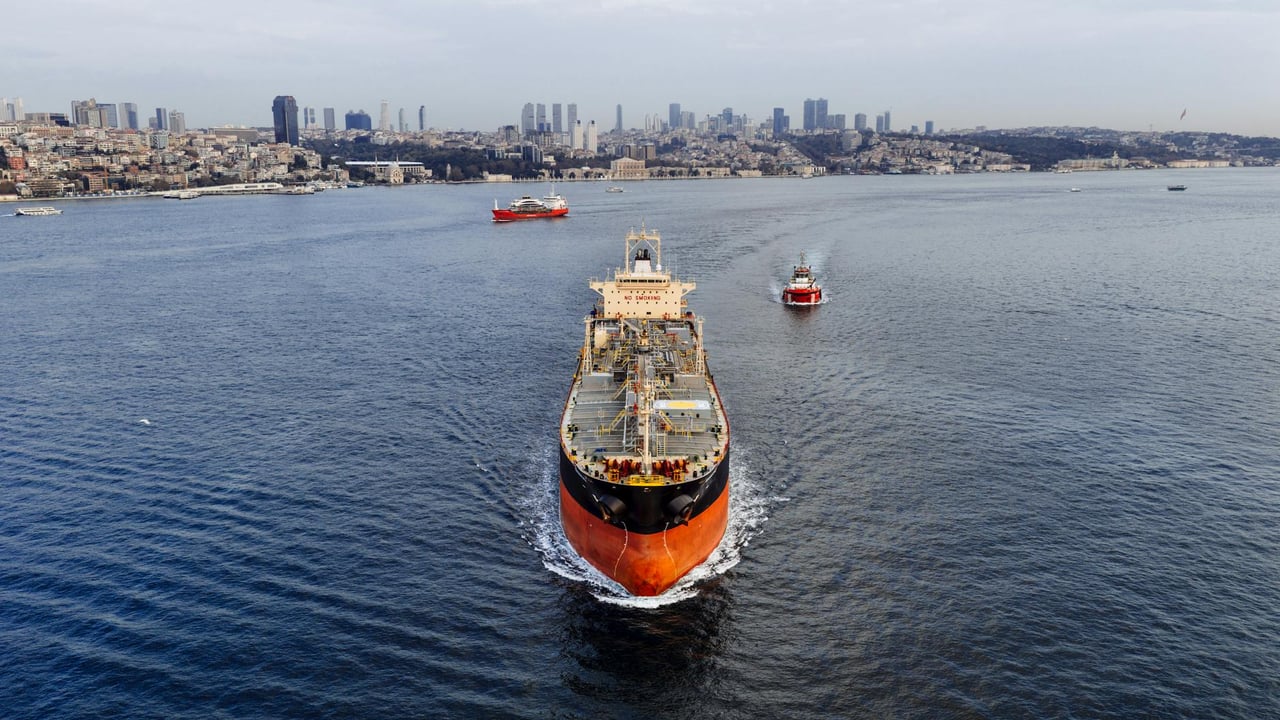
A stunning aerial shot of a cargo ship navigating the Bosphorus Strait in Istanbul, Turkey, with a city skyline.

Key Takeaways

  • 1Trump claims U.S.-Iran negotiations have reached agreement on most issues except for the nuclear program.
  • 2The U.S. Navy has been ordered to prevent all vessels from entering or exiting the Strait of Hormuz.
  • 3A new mandate requires the U.S. Navy to intercept any ship in international waters that has paid 'illegal tolls' to Iran.
  • 4The U.S. military will begin operations to destroy mines allegedly placed by Iran in the waterway.
  • 5The President issued a direct military threat to 'end the remaining forces' of Iran if the situation is not resolved.

Editor's
Desk

Strategic Analysis

This development represents a 'Maximum Pressure 2.0' strategy that prioritizes tactical strangulation over long-term diplomatic patience. By targeting the 'tolls' Iran collects in the Strait, the Trump administration is striking at a specific point of Iranian regional prestige and revenue. However, the simultaneous claim that talks are 'going well' suggests this escalation is intended as extreme leverage to force a final concession on the nuclear file. The risk of miscalculation is historically high; a blockade is traditionally considered an act of war, and any physical attempt to 'destroy' Iranian mines or intercept commercial shipping could trigger a hot conflict that would paralyze global energy supplies and draw regional actors into a broader conflagration.

China Daily Brief Editorial
Strategic Insight
China Daily Brief

President Donald Trump has signaled a dramatic escalation in the Persian Gulf, announcing a naval blockade of the Strait of Hormuz even as he claims diplomatic negotiations with Tehran are yielding results on peripheral issues. In a characteristically blunt series of social media posts, the U.S. commander-in-chief suggested that while a broader consensus is forming, the intractable nuclear issue remains the primary obstacle to a comprehensive deal.

This aggressive posture marks a significant shift from traditional 'maximum pressure' toward direct military intervention in maritime commerce. By ordering the U.S. Navy to intercept any vessel that has paid what he termed 'illegal tolls' to Iran, the administration is effectively challenging Tehran's perceived sovereignty over the strategic waterway and targeting its ability to extract revenue from passing tankers.

The President's justification for the blockade hinges on the alleged presence of Iranian naval mines, which he claims Tehran is using as a pretext to disrupt international shipping. To counter this, the U.S. has signaled it will begin actively 'destroying' these mines, a move that risks turning the world's most vital energy chokepoint into a theater of direct kinetic engagement between the two nations.

Beneath the rhetorical bravado lies a precarious geopolitical gamble that could destabilize global energy markets. The Strait of Hormuz is the world's most important oil transit point, and any prolonged disruption to traffic would likely send crude prices soaring, testing the patience of both domestic consumers and international allies. Trump’s concluding threat to 'end' Iranian forces suggests a move toward total military readiness if negotiations fail to resolve the nuclear deadlock.

Share Article

Related Articles

📰
No related articles found