

In a move that underscores the fractured nature of Middle Eastern diplomacy, Israeli Prime Minister Benjamin Netanyahu has reaffirmed that the war against Hezbollah in Lebanon will persist, even as Jerusalem entertains a brief reprieve elsewhere. The announcement signals a calculated divergence in Israeli military strategy, following a decision to support a two-week suspension of strikes against Iran—a pause brokered by U.S. President Donald Trump. By decoupling the 'Lebanese front' from the 'Iranian front,' Netanyahu is asserting that Israel’s northern security remains a non-negotiable priority that cannot be silenced by broader regional de-escalation efforts.
The strategic rationale behind this selective ceasefire appears aimed at isolating Hezbollah. While the Trump administration seeks to dial back direct tensions between Israel and Tehran, Netanyahu’s office has been explicit: the two-week cooling-off period does not extend to Lebanese soil. This approach allows Israel to maintain high-intensity pressure on Hezbollah’s infrastructure without the immediate risk of a wider regional conflagration involving direct Iranian intervention, effectively testing the limits of the 'Axis of Resistance' and its willingness to defend its most potent proxy.
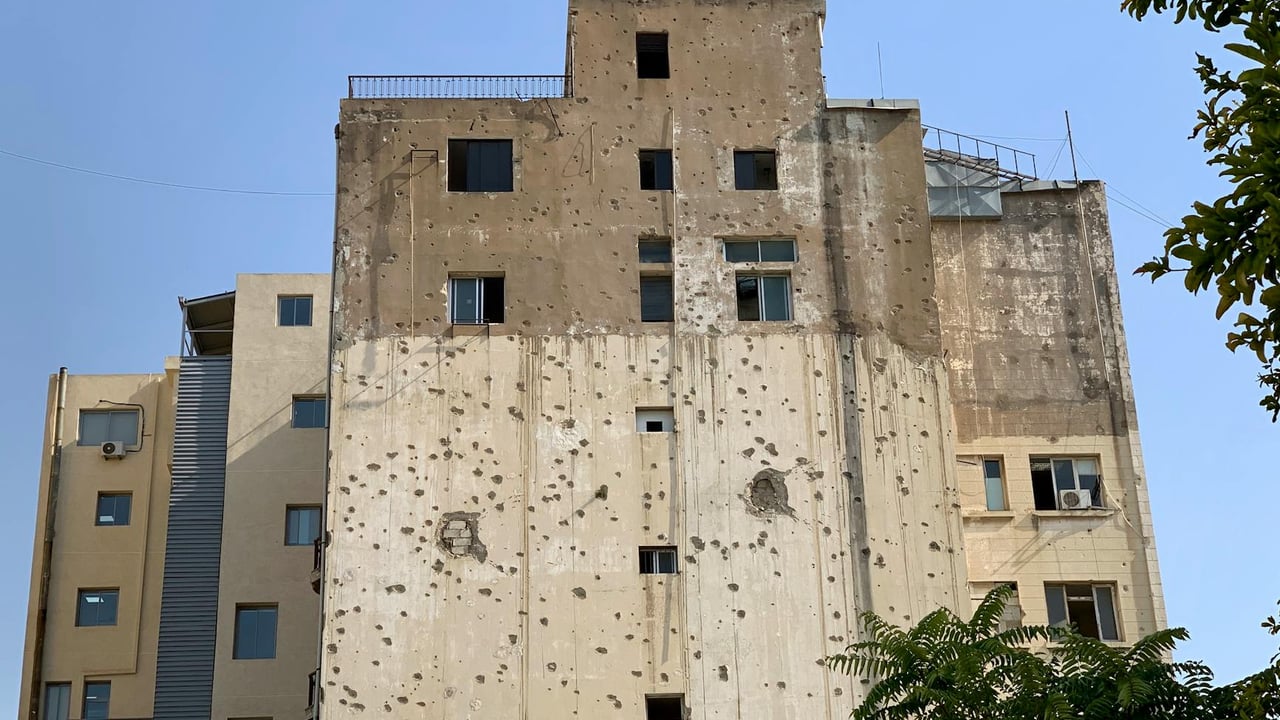
However, the cost of this focused offensive is becoming increasingly unsustainable for Lebanon’s civilian population. Data released by the Lebanese Ministry of Health indicates that since the reignition of hostilities on March 2, 2026, the conflict has claimed over 2,055 lives and left nearly 6,600 injured. The mounting casualty list highlights the devastating precision and scale of the Israeli campaign, which has transformed southern Lebanon into a theater of attrition that shows no signs of resolution despite the diplomatic interventions from Washington.
For Netanyahu, the continuation of the war in Lebanon serves both a military and political purpose. Domestically, it fulfills a long-standing promise to return displaced Israeli citizens to the north by permanently degrading Hezbollah’s launch capabilities. Geopolitically, it signals to the United States that while Israel is willing to accommodate American interests regarding Iran, it will not permit its primary security objectives to be dictated by external timelines or generalized peace initiatives.