Stranglehold in the Gulf: Washington Imposes Total Maritime Blockade on Iranian Ports

The US Central Command has announced a total maritime blockade on all Iranian ports starting April 13, 2026, acting on a presidential directive. The move targets all international vessels trading with Iran while attempting to maintain transit for non-Iranian traffic through the Strait of Hormuz.

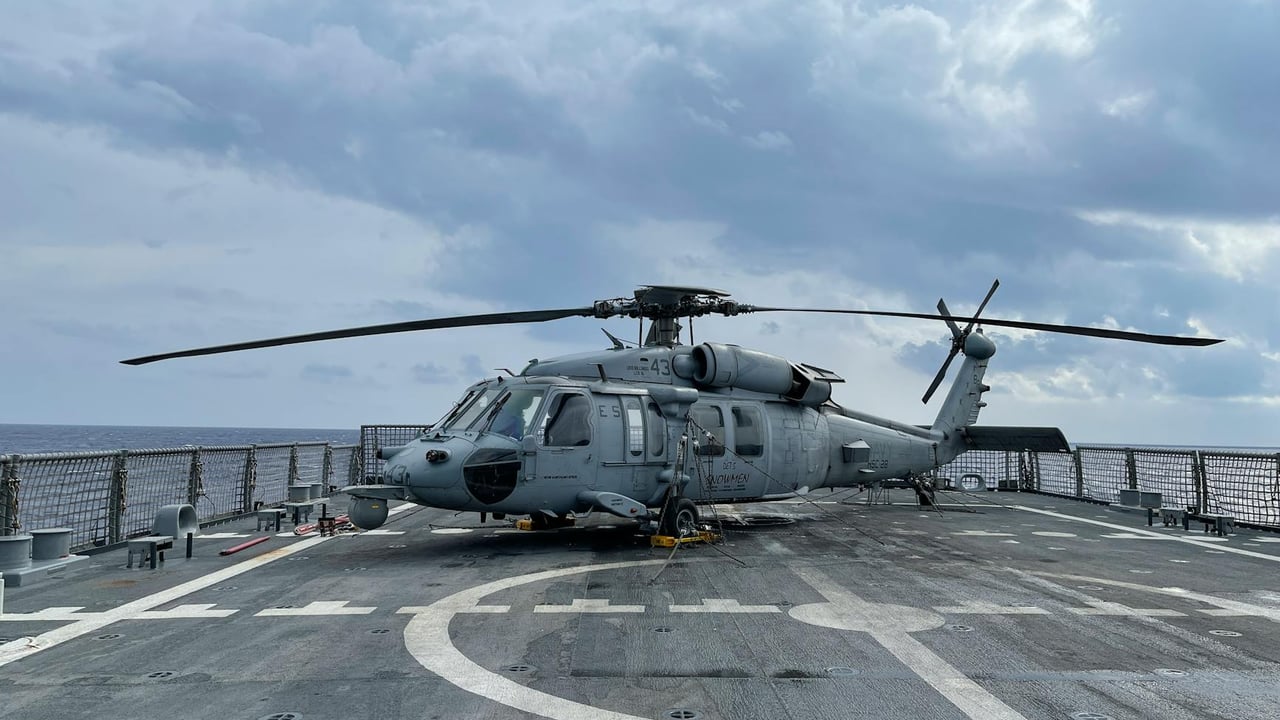
A military helicopter on a naval flight deck under a cloudy sky at sea.

Key Takeaways

  • 1Blockade commences April 13, 2026, at 10:00 AM ET following a US presidential proclamation.
  • 2The directive targets all vessels regardless of their national flag if they are entering or exiting Iranian ports.
  • 3The scope includes all Iranian facilities in the Arabian Gulf and the Gulf of Oman.
  • 4US forces will theoretically permit non-Iranian commercial traffic to continue through the Strait of Hormuz.
  • 5The move is a transition from economic pressure to a physical military interdiction of Iranian trade.

Editor's
Desk

Strategic Analysis

A naval blockade is historically recognized as an act of war under international law, marking a definitive shift from 'maximum pressure' sanctions to direct military coercion. By implementing this restriction, the United States is effectively challenging Tehran to either capitulate or initiate a kinetic response to break the siege. The strategic nuance of leaving the Strait of Hormuz open for non-Iranian traffic is an attempt to minimize global economic blowback, but in practice, the insurance costs and physical risks will likely paralyze all regional shipping. This development forces a confrontation not just with Iran, but with its primary trade partners, such as China, who may view the blockade as an illegal infringement on the freedom of navigation and a threat to their energy security.

China Daily Brief Editorial
Strategic Insight
China Daily Brief

US Central Command has announced the implementation of a comprehensive maritime blockade against all Iranian ports, scheduled to begin at 10:00 AM ET on April 13, 2026. Following a presidential proclamation, the directive mandates that US forces intercept and halt all maritime traffic entering or exiting Iranian territorial waters. This move represents a dramatic escalation in the long-standing confrontation between Washington and Tehran.

This blockade applies without exception to vessels from all nations, covering every Iranian port facility along the Arabian Gulf and the Gulf of Oman. The move represents the most aggressive posture taken by Washington in decades, shifting from targeted economic sanctions to a physical siege of Iran’s coastal trade. The enforcement will be handled by US Central Command forces stationed in the region.

While the announcement specifies that traffic to non-Iranian ports through the Strait of Hormuz will not be obstructed, the regional tension is palpable. The operational challenge of distinguishing and diverting specific vessels in such a narrow, high-traffic waterway invites significant risk of maritime accidents or military skirmishes. Commercial mariners are expected to receive formal notices regarding safety protocols before the deadline.

International markets are braced for a sharp reaction as this blockade effectively removes Iran from the global oil supply chain. The geopolitical implications are profound, as this act of maritime interdiction pushes the two nations to the precipice of a hot war. The world now watches to see how regional allies and global powers, particularly major energy importers, will respond to this high-stakes maneuver.

Share Article

Related Articles

📰
No related articles found