

In late March, the roar of an 820RR-RS motorcycle at the World Superbike Championship (WSBK) in Portugal signaled more than just a victory for Zhang Xue’s independent racing brand. By shattering the long-standing dominance of European and Japanese manufacturers, the win served as a high-visibility marketing triumph for its primary sponsor, Eastroc Beverage. This strategic alignment with ‘national pride’ narratives is a hallmark of Eastroc’s recent playbook, as the company cements its position at the summit of China’s lucrative functional drink industry.
Financial disclosures for 2025 reveal that Eastroc Beverage has officially overtaken Red Bull to become the largest energy drink brand in China by both sales volume and market share. The company reported annual revenue of 20.88 billion RMB, a 31.8% year-on-year increase, while net profits rose nearly 33% to 4.42 billion RMB. This performance marks a historic shift in a sector once defined by Red Bull’s undisputed monopoly, which has now fractured into a multi-polar landscape led by the domestic challenger.
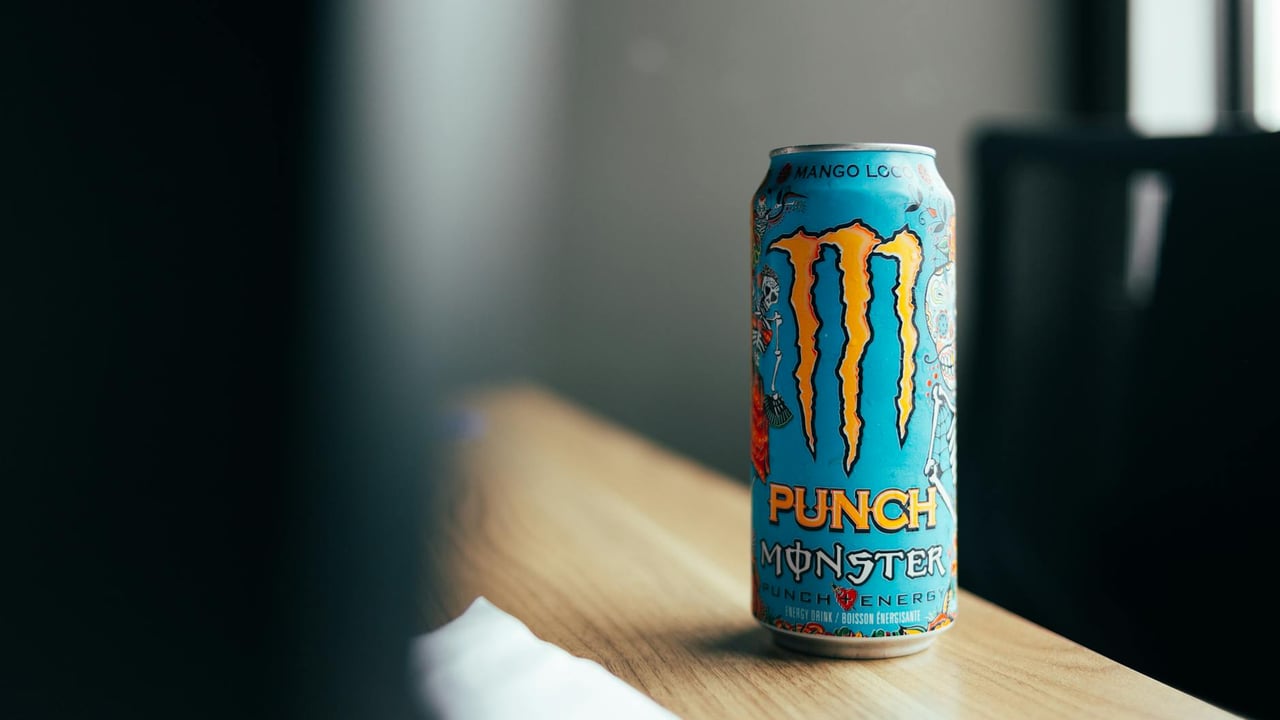
Despite the headline growth, a closer look at the quarterly data suggests that the ‘Red Bull killer’ may be facing its own maturity hurdles. While Eastroc’s core product, Eastroc Super Drink, still accounts for 75% of total revenue, its growth rate decelerated to 8.5% in the final quarter of 2025—a significant drop from nearly 20% the previous year. Management has attributed this slowdown to the timing of the Lunar New Year and an increasingly crowded competitive field where local brands and international players like Monster Energy are fighting for shrinking shelf space.
To counter the saturation of its flagship product, Eastroc is pivoting toward a multi-category strategy, most notably through its ‘Bushuila’ electrolyte line. By positioning electrolyte drinks as everyday hydration rather than niche sports nutrition, the company has successfully expanded into campuses, offices, and travel hubs. This diversification is supported by a staggering logistics network of 4.5 million retail terminals and 14 production bases across China, creating a barrier to entry that few competitors can match.
Looking ahead, Eastroc’s ability to sustain its premium valuation depends on its international expansion and supply chain efficiency. With products already reaching 32 countries and a robust cash flow exceeding 6 billion RMB, the company is well-capitalized for global competition. However, volatility in raw material costs, specifically PET plastic and sugar, remains a persistent threat. While the company has locked in prices for 2026, the long-term challenge will be maintaining its mass-market price advantage in an era of rising inflationary pressure.