

The 21-hour marathon summit in Islamabad between the United States and Iran has concluded in a bitter stalemate, marking a dangerous inflection point in a conflict that has already reshaped the Middle East. Vice President J.D. Vance, leading the American delegation, departed without a breakthrough, characterizing the talks as a failed attempt to find common ground with a recalcitrant Tehran. The collapse of these high-stakes negotiations has immediately triggered a shift from diplomacy to aggressive maritime posturing.
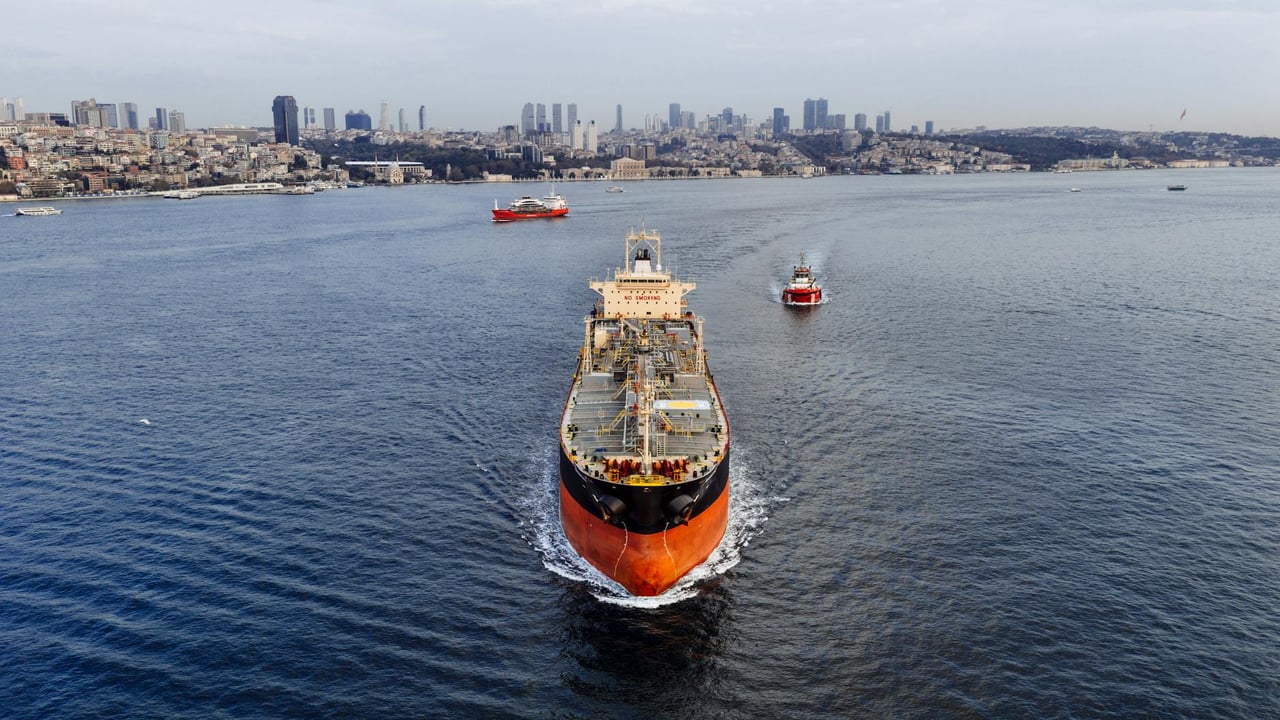
Following the diplomatic breakdown, President Donald Trump announced a naval blockade of the Strait of Hormuz, the world’s most vital oil artery. In a move that blends military strategy with mercantilist pressure, the President declared that the U.S. Navy would intercept any vessel paying what he termed 'illegal tolls' to the Iranian government. This directive effectively sets the stage for a dual blockade, where both Washington and Tehran vie for the power to collect 'protection fees' from international shipping.
While the two sides reportedly reached consensus on several peripheral issues, the nuclear question remains the immovable object at the heart of the crisis. Iran continues to insist on its sovereign right to uranium enrichment, a position that clashes directly with the Trump administration’s demand for a total cessation of nuclear development. For Tehran, the nuclear program has become an existential symbol of survival following significant losses to its military leadership and conventional naval capabilities.
Global energy markets have reacted with predictable alarm to the prospect of a shuttered Strait. Oil prices surged by 10% in dark-pool trading shortly after the news of the blockade broke, with analysts at Goldman Sachs and JPMorgan warning that prices could breach the $120-per-barrel mark. Such a spike threatens to destabilize a global economy already reeling from the ripple effects of the ongoing regional conflict.
With only ten days remaining in the current temporary ceasefire, the window for a negotiated settlement is rapidly closing. Trump has signaled that a return to large-scale military action is inevitable if Iran does not return to the table with significant concessions. The situation has devolved into a high-stakes game of chicken, with the stability of the global energy supply serving as the ultimate collateral.