
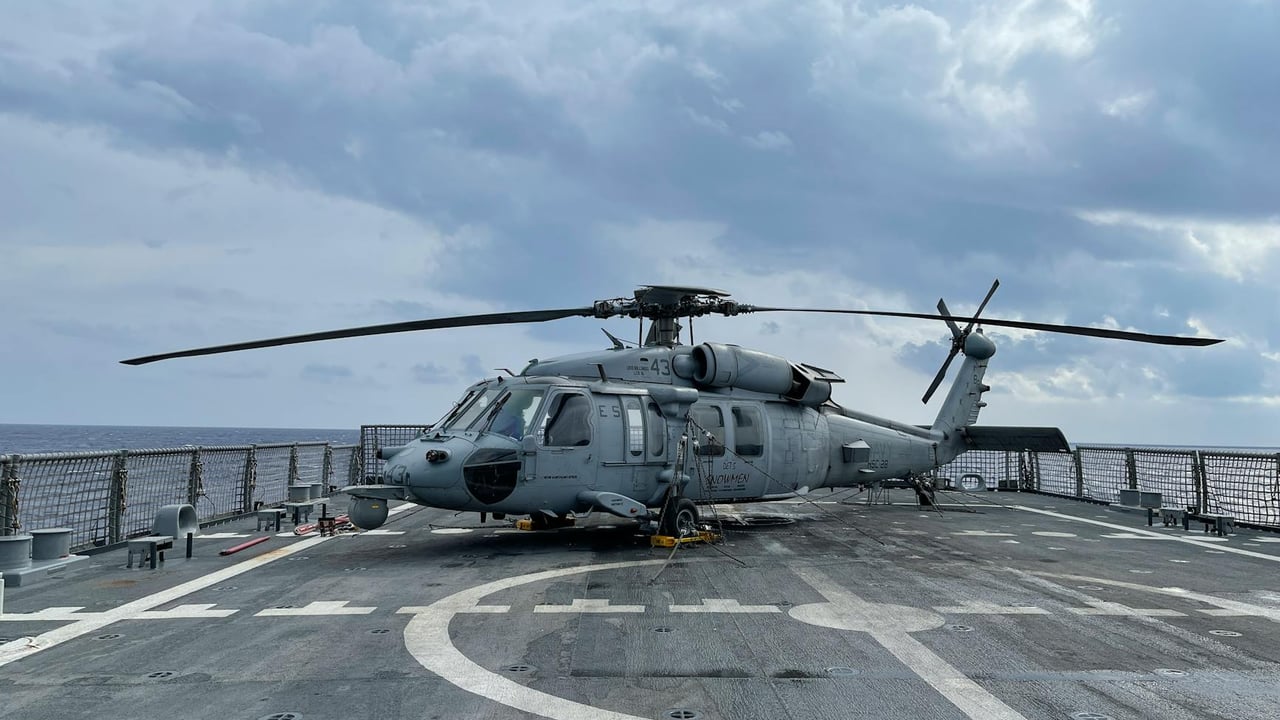

The diplomatic hopes that briefly flickered in the Pakistani capital have been replaced by the drums of maritime war. After twenty hours of intense, high-stakes negotiations in Islamabad—the highest-level direct contact between Washington and Tehran since the 1979 revolution—the two sides emerged without a breakthrough. The fallout was immediate. U.S. Central Command, acting on presidential orders, is set to implement a total naval blockade of all Iranian ports, marking a drastic escalation in the effort to strangulate the Islamic Republic’s economy.
Despite the failure to reach a definitive agreement, the diplomatic channel has not been entirely severed. Vice President J.D. Vance, leading the American delegation, hinted that the current U.S. proposal remains a viable framework for future discussions. Similarly, Iranian Foreign Ministry spokesperson Esmaeil Baghaei noted that 'diplomacy never ends,' suggesting that while the Islamabad session ended in a stalemate, both nations are still wary of a full-scale regional conflagration that neither can afford.
The immediate future likely holds a period of 'high-tension stalemate,' where military strikes and diplomatic maneuvering occur simultaneously. Analysts suggest the Trump administration may be pursuing a 'limited escalation' strategy, utilizing extreme pressure to force a favorable deal before domestic political pressures mount. However, the Iranian leadership, represented by Parliament Speaker Mohammad Bagher Ghalibaf, has signaled that any attempt to 'test Iran’s will' will result in a harsh lesson for Washington.
Strategic risks are now gravitating toward the Hormuz Strait and critical Iranian infrastructure. While President Trump has pledged to keep the strait open, he has offered few specifics on how to achieve this without sparking a direct clash with Iran’s Islamic Revolutionary Guard Corps. Military planners are reportedly weighing options ranging from the targeted bombing of power grids to 'limited' ground operations on Kharg Island to seize Iranian oil facilities, though such moves risk dragging the United States into a prolonged 'war mire.'
Compounding the crisis is the looming shadow of the U.S. midterm elections. With Republican electoral prospects potentially hindered by a prolonged conflict, Tehran may be playing a game of 'strategic patience,' using the conflict's duration as leverage against the Trump administration. Conversely, the White House may seek a sudden, symbolic victory to declare an end to the campaign, even if the underlying regional grievances remain entirely unresolved.