

For over a month, global markets have been trapped in a high-stakes 'Trump Mode,' characterized by volatile swings and geopolitical brinkmanship. Yet, as Monday’s trading session in the Asia-Pacific showed, investors are beginning to develop a thick skin. Despite threats from the campaign trail regarding the potential blockade of the Strait of Hormuz, the initial sell-off in Tokyo and Seoul was remarkably shallow, with indices closing down less than one percent.
The real story emerged in the Chinese domestic markets, where the A-share market staged a dramatic intraday recovery. After a lower opening, the Shanghai Composite, Shenzhen Component, and ChiNext indices all swung into the green by the afternoon session. This resilience was fueled by a revitalized 'tech narrative,' as sectors ranging from AI computing power and semiconductors to CPO and storage chips saw aggressive buying interest.
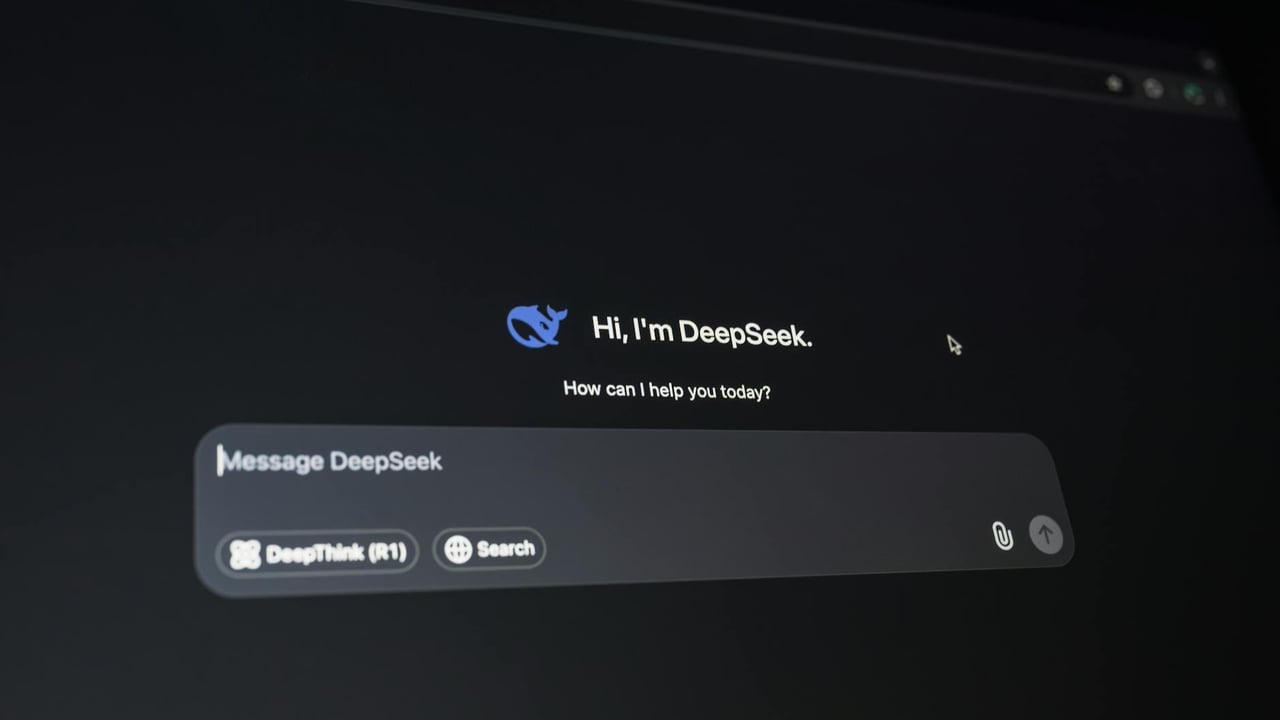
A pivotal catalyst for this shift was the announcement from DeepSeek regarding its next-generation V4 large language model. The company confirmed a complete migration to Huawei’s Ascend 950PR hardware, effectively transitioning its underlying framework from Nvidia’s CUDA to Huawei’s proprietary CANN architecture. This move marks a milestone in China’s quest for a self-sufficient AI ecosystem, demonstrating that high-performance models can be re-optimized for domestic silicon at scale.
Supporting this structural shift is a robust fundamental backdrop within the semiconductor industry. Data from the Semiconductor Industry Association (SIA) reveals that global sales surged nearly 62% year-on-year in February, with China’s domestic sales keeping pace at over 57% growth. Chinese state policy continues to provide a tailwind, as the 'Fifteenth Five-Year Plan' elevates integrated circuits to the top of the strategic emerging industries list, bolstered by a fresh round of tax incentives.
While the looming shadow of energy disruptions—stemming from reciprocal threats over the Hormuz and Mandeb straits—keeps oil prices elevated, the 'fear factor' appears to be diminishing. Analysts from Goldman Sachs and Wells Fargo have suggested that the recent tech retrenchment represents a 'golden pit' for long-term investors. They argue that while AI capital expenditures are significant, the resulting profit margins and the essential nature of software security remain a top priority for global IT infrastructure.
The current market behavior suggests a decoupling of industrial fundamentals from geopolitical rhetoric. As domestic AI players successfully navigate the transition to homegrown hardware, the focus is shifting back to ROI and earnings quality. For now, the Asia-Pacific markets seem less concerned with the next political headline and more focused on the tangible reality of a technologically independent supply chain.