
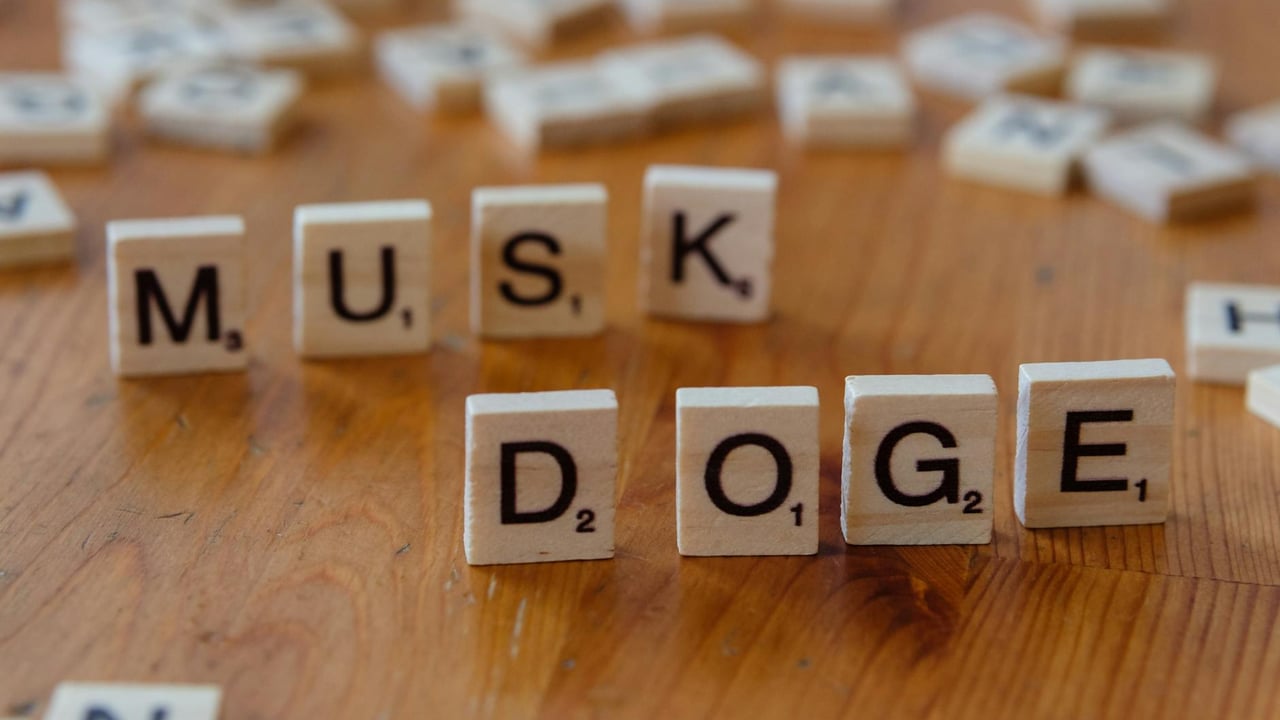

Elon Musk is finally moving to fulfill his long-standing promise of creating a Western counterpart to China’s WeChat. On April 17, 2026, XChat is scheduled to debut on the Apple App Store as a standalone instant messaging application. This launch marks a pivotal transition for the billionaire, shifting his focus from the legacy microblogging of X toward the creation of a comprehensive 'Everything App.'
For years, Musk has praised the seamless integration of social media, payments, and service procurement found within the Chinese ecosystem. He argues that global markets lack a singular platform where users can live their digital lives without switching between fragmented apps. XChat aims to be that central hub, offering high-definition communication and massive group chats designed to lure users away from established giants like WhatsApp and Telegram.
Technically, XChat is built on the Rust programming language, a choice intended to prioritize memory safety and high performance. The app’s most aggressive marketing hook is its 'registration revolution,' allowing users to sign up via X account verification rather than tethering the service to a mobile phone number. This feature is strategically designed to appeal to privacy-conscious elites who wish to remain anonymous in an increasingly surveilled digital landscape.
The launch arrives at a moment of profound vulnerability for Meta’s WhatsApp, which is currently embroiled in litigation over alleged backdoors and message interception. Musk has seized this opening, framing XChat as a 'pure' alternative that is both ad-free and tracking-free. However, security experts have already raised red flags regarding Musk's use of the term 'Bitcoin-style encryption,' noting that blockchain-based ledger technology is fundamentally different from end-to-end communication security.
Beyond simple messaging, XChat serves as a critical sensory organ for Musk’s artificial intelligence venture, Grok. By collecting search histories and location data, the app will provide the raw material necessary for Grok to evolve into a proactive personal assistant. This integration suggests a future where the app does not just facilitate conversation but anticipates user needs and manages schedules through an AI-driven interface.
The ultimate prize for Musk, however, is the disruption of the global financial system. By decoupling social identity from hardware like the iPhone and moving it toward a centralized X ID, Musk hopes to dismantle the 'walled gardens' of mobile manufacturers. If successful, XChat will eventually function as a decentralized bank, merging borderless peer-to-peer payments with social discourse to create a closed-loop economic empire.