

In the hyper-competitive landscape of China’s automotive technology, the era of experimental overlapping is coming to an abrupt end. Black Sesame Technologies, a leader in the intelligent driving chip sector, is signaling a strategic pivot that mirrors the broader maturation of the industry. By expanding its focus from purely automotive applications to the nascent field of 'embodied AI' and the low-altitude economy, the company is betting that the future of mobility is not just about cars, but about autonomous systems capable of navigating any environment.
Yang Yuxin, Chief Marketing Officer of Black Sesame, characterizes the current market phase as the 'endgame.' For years, the boundaries between automakers (OEMs) and chip designers were blurred, with car companies attempting to build their own hardware and chipmakers acting as software solution houses. This 'Tier-0.5' model is now unraveling. As the market stabilizes, independent third-party chip suppliers are expected to dominate, restoring the traditional division of labor where specialization drives efficiency and cost reduction.
The scale required to survive this consolidation is immense. Black Sesame, which recently celebrated shipping over a million units of its A1000 and Wudang series chips, is now targeting a tenfold increase to 10 million units in 2026. This surge is driven by 'inclusive' urban Navigation on Autopilot (NOA) solutions for the mass market, even as the company moves to replace mid-range competitors with its more advanced A2000 family. Achieving such volume is critical for moving the company toward profitability, as high R&D costs continue to weigh on net margins despite 70% year-on-year revenue growth.
Financial sustainability has become the primary metric for survival. With primary market funding for autonomous driving drying up, the secondary market—specifically the Hong Kong Stock Exchange—has become the mandatory destination for the sector’s top tier. Black Sesame’s 2024 listing under the 18C specialist technology rules acted as a 'starter pistol,' prompting a wave of subsequent filings from firms like Momenta and DeepRoute.ai. This capital migration reflects a shift from speculative growth to the harsh reality of sustaining high-burn AI development in a tightening global economy.
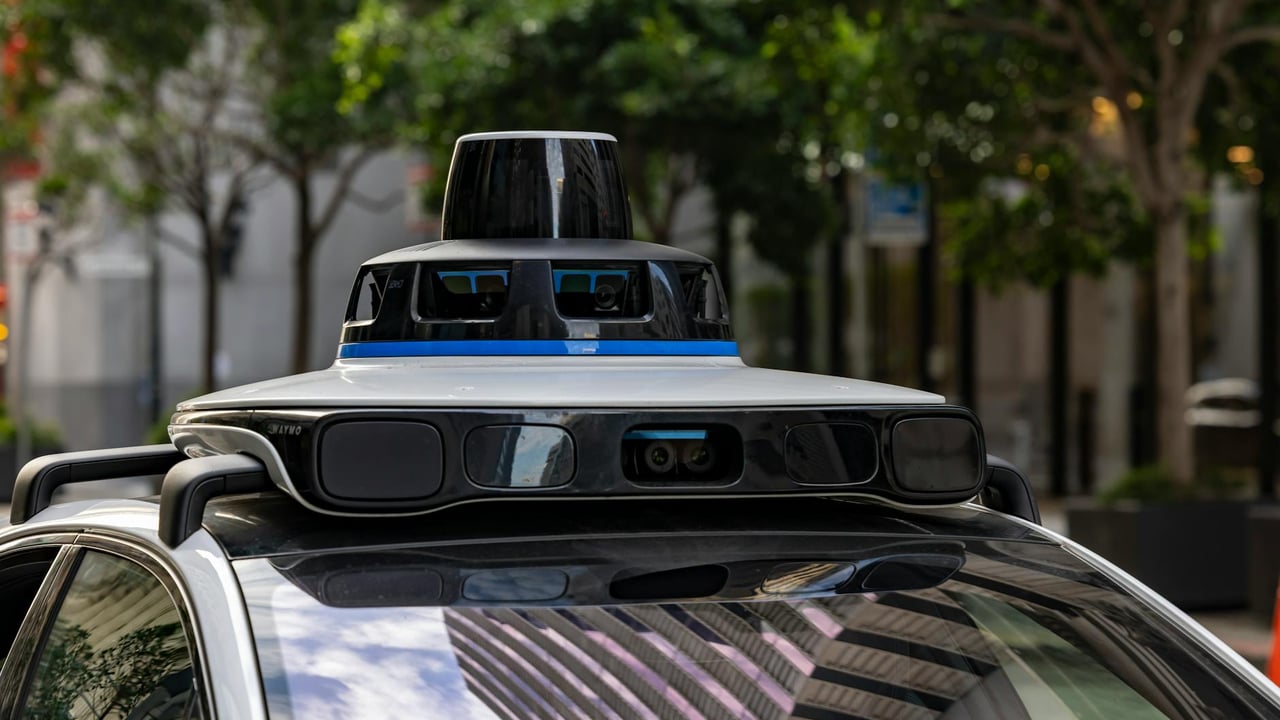
Looking ahead, the focus is shifting toward L4 autonomy and artificial intelligence that functions without human intervention, such as Robotaxis and Robovans. These high-stakes scenarios demand localized chip solutions that offer higher levels of redundancy and safety than previous generations. By positioning itself at the intersection of robotics and automotive transport, Black Sesame is attempting to build an ecosystem where the 'intelligence' developed for the road becomes the foundation for the broader autonomous economy.