
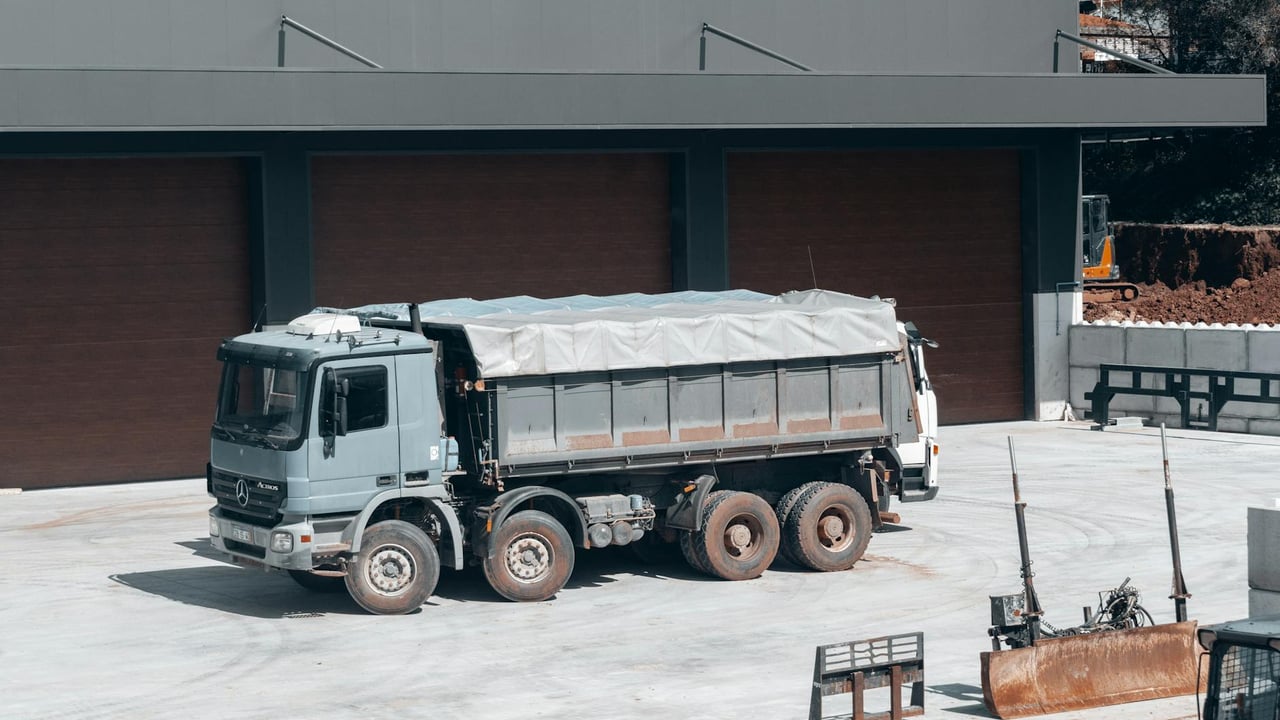

Despite China’s global lead in passenger electric vehicle adoption, the heavy-duty truck sector has remained a stubborn outpost for internal combustion engines. Logistics operators have long been deterred by the staggering capital requirements: electric trucks often cost twice as much as their diesel counterparts, while the infrastructure required to charge them demands massive upfront investment and complex grid coordination.
Enter Wanbang Digital Energy, operating under the well-known Star Charge brand, which has unveiled its 'Financial 2.0' model to dismantle these barriers. This 'Hold Vehicle, Hold Station' strategy represents a significant pivot from simply selling hardware to providing comprehensive financial and operational ecosystems. By assuming the initial asset risk, Star Charge is effectively offering an 'asset-light' pathway for logistics firms to go green.
The first pillar of the strategy targets the vehicles themselves. Under the new program, Star Charge’s financial arm purchases the trucks and leases them to fleets for a fixed rent, with ownership transferring to the operator at the end of the term. With a down payment as low as 10% and interest rates capped at 6.5% over a six-year period, the model mirrors the consumer leasing structures that catalyzed the passenger EV boom.
Equally ambitious is the infrastructure component. Star Charge is offering to foot the entire bill for building charging stations for its partners, who then manage operations under a profit-sharing agreement. This 'zero-cost' construction model removes the primary excuse for logistics hubs to delay electrification, while ensuring Star Charge secures prime real estate in the increasingly competitive charging network landscape.