Beijing’s Balancing Act: Defending the 'Prudence' of Chinese Arms Exports

China's Ministry of Foreign Affairs has reaffirmed its commitment to a 'prudent and responsible' military export policy. The move aims to contrast China's non-conditional arms sales with Western practices while defending its growing role in the global defense market.

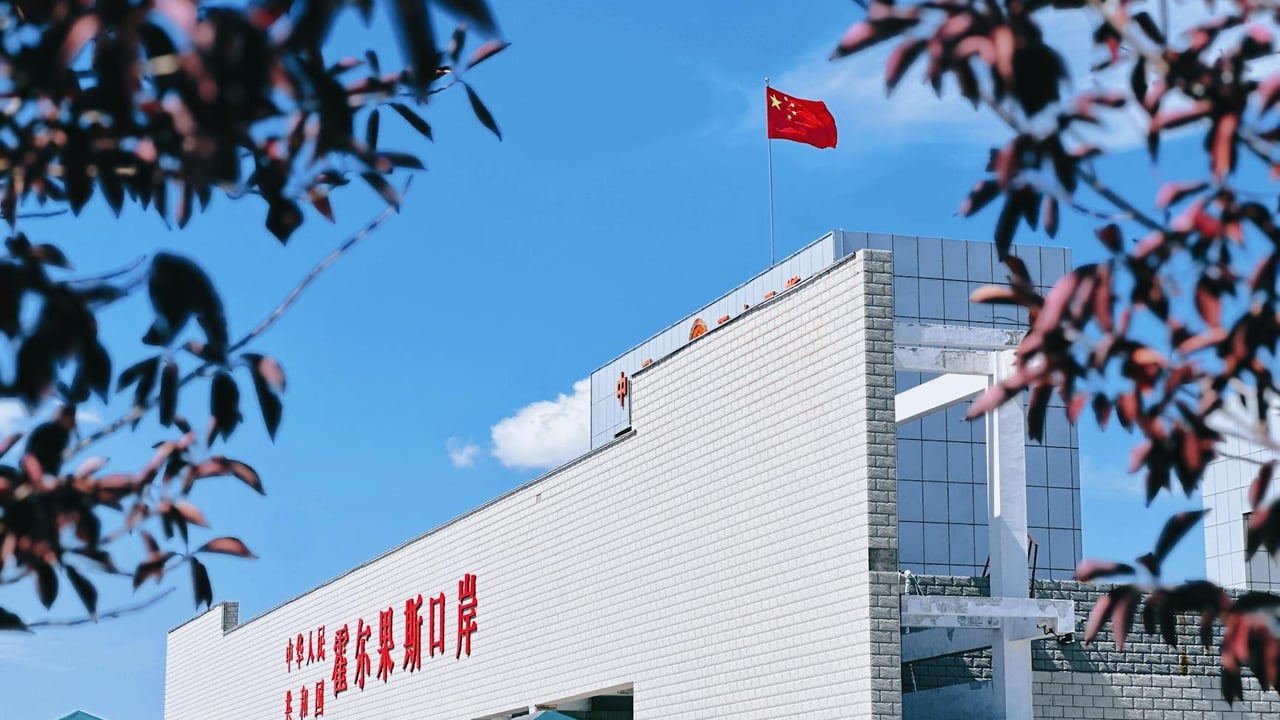
A view of Korghos Port featuring the Chinese flag on a sunny day.

Key Takeaways

  • 1The MFA describes China's military export stance as consistently cautious and responsible.
  • 2Beijing emphasizes a policy of non-interference in the internal affairs of purchasing nations.
  • 3China is positioning itself as a reliable alternative to Western arms suppliers, particularly in the Global South.
  • 4The statement comes amid rising international scrutiny of China's role in proliferating drone and dual-use technologies.

Editor's
Desk

Strategic Analysis

Beijing’s insistence on its 'responsible' arms trade is a strategic counter-narrative designed to preempt Western sanctions and export restrictions. By adhering to a 'no strings attached' model, China is effectively building a parallel security architecture that challenges the traditional dominance of the U.S. and Europe. However, the lack of transparency in end-user monitoring remains a significant point of friction. As Chinese military tech becomes more sophisticated, the gap between its 'non-interference' rhetoric and the real-world impact of its weapons on regional balances of power will likely narrow, forcing Beijing to adopt more formal, perhaps multilateral, control mechanisms to avoid reputational damage.

China Daily Brief Editorial
Strategic Insight
China Daily Brief

The Chinese Ministry of Foreign Affairs has once again moved to defend the nation's burgeoning military export industry, characterizing its approach as consistently "prudent and responsible." This official rhetoric seeks to reinforce a narrative of China as a stabilizing force in global security, even as its market share in advanced weaponry continues to expand across Africa, the Middle East, and Southeast Asia.

By framing its exports within a framework of sovereignty and international law, Beijing aims to create a sharp contrast with the United States and its allies. China frequently argues that its defense sales are conducted without the political conditions often imposed by Western nations, a policy of non-interference that has made Chinese hardware particularly attractive to a diverse range of sovereign states.

The timing of this defense is notable as the global arms trade shifts toward unmanned systems, surveillance technology, and long-range precision strike capabilities. Beijing’s dominance in the export of cost-effective armed drones has fundamentally altered the tactical landscape of modern conflict, leading to increased calls from the international community for more transparent export controls.

Ultimately, these statements serve as a diplomatic shield against growing Western scrutiny regarding the end-use of Chinese military technology. As China positions itself as a primary alternative to Western defense contractors, it must navigate the delicate balance between expanding its strategic influence and maintaining its self-styled image as a responsible global power.

Share Article

Related Articles

📰
No related articles found