
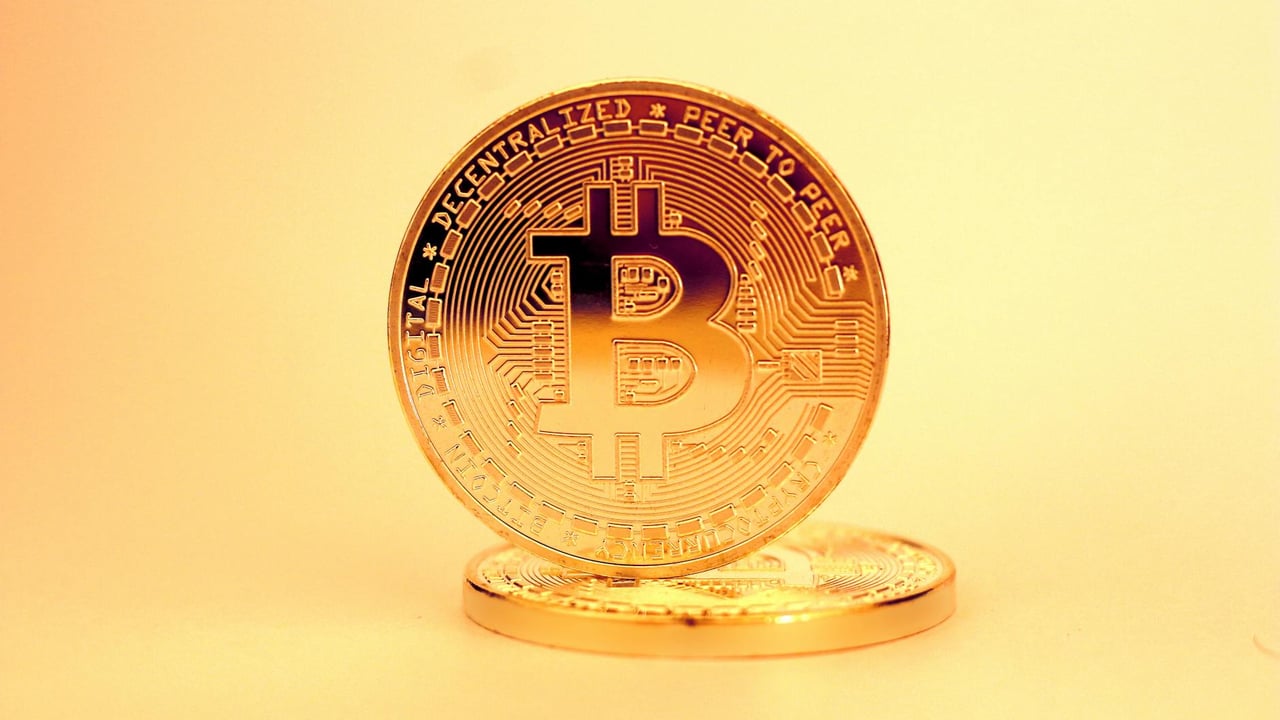

Bitcoin has once again breached the psychologically significant $72,000 mark, posting a 1.9% gain within a 24-hour window. While price fluctuations are common in the volatile crypto markets, this latest rally is underscored by a shifting global landscape where digital assets are increasingly untethered from traditional speculative cycles and instead anchored to geopolitical utility.
In a move that has sent ripples through international trade circles, reports indicate that Tehran is exploring the use of Bitcoin for transit fees through the Strait of Hormuz. This transition marks a pivotal moment in the sovereign adoption phase of cryptocurrency, where a major energy-exporting nation integrates decentralized finance into the core of its maritime logistics. By bypassing traditional clearinghouses, such measures suggest a growing appetite for alternative settlement layers in the face of persistent sanctions and dollar-centric financial systems.
Simultaneously, the regulatory environment in Asia continues to provide a tailwind for institutional participation. The recent granting of stablecoin licenses to major financial institutions like HSBC in Hong Kong serves as a critical bridge between legacy banking and the digital frontier. These developments suggest that the infrastructure for a robust, regulated crypto-economy is maturing, offering a more stable foundation for the current price appreciation than previous retail-driven bubbles.
The broader market backdrop remains one of sharp contrast, with traditional Chinese equities showing signs of recovery even as global investors look toward digital assets as a hedge against Middle Eastern instability. As Bitcoin solidifies its position above the $70,000 threshold, the narrative is no longer just about investment returns, but about the strategic role of digital scarcity in an increasingly fragmented global economy.