Divided at Home, Deadlocked Abroad: Israel’s Impossible Ceasefire Calculus

A new poll reveals a deep divide in Israeli public opinion regarding the recent ceasefire with Iran, with support for the Prime Minister hitting new lows. Despite the diplomatic efforts in Islamabad, a majority of Israelis favor continued military action against Hezbollah, complicating the path to regional de-escalation.

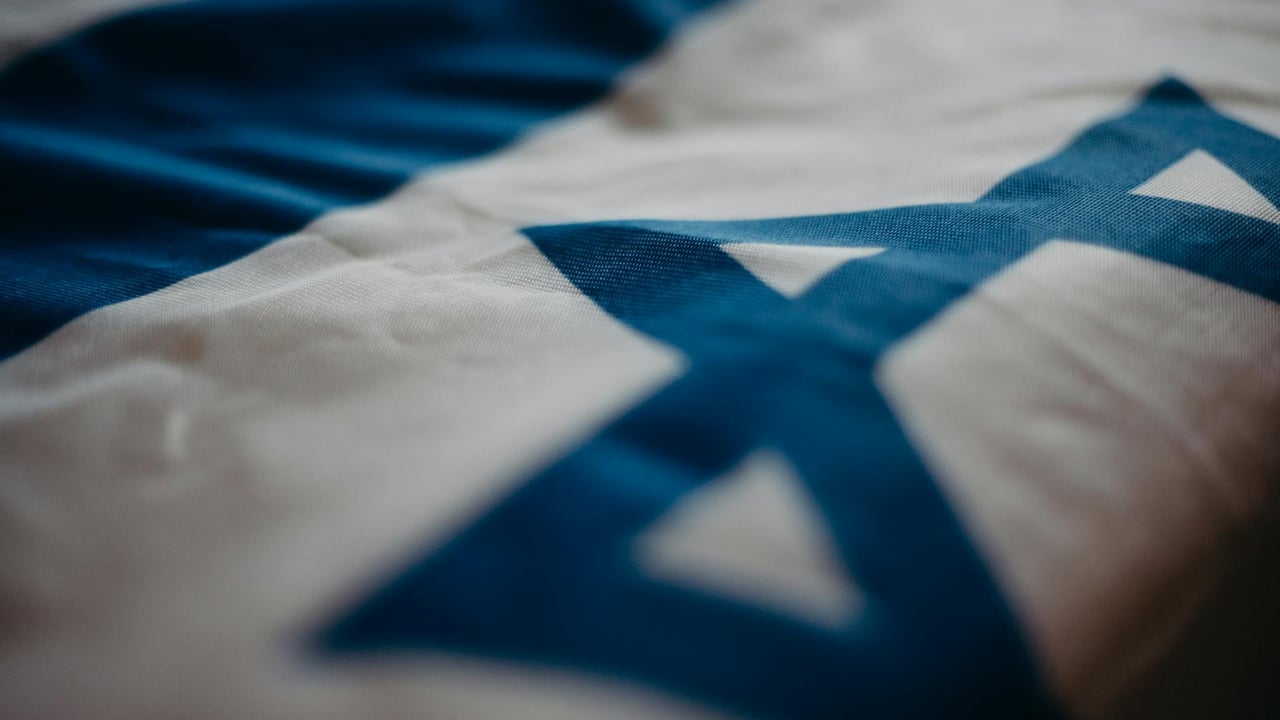
Detail of the Israeli national flag highlighting the Star of David, emphasizing its cultural significance.

Key Takeaways

  • 1Israeli public opinion is split three ways on the ceasefire: 41% oppose, 39% support, and 19% remain uncertain.
  • 2A decisive 61% of respondents believe military operations against Hezbollah should continue regardless of the Iran truce.
  • 3Diplomatic negotiations in Islamabad between the U.S. and Iran concluded without a formal agreement, increasing regional tension.
  • 4Prime Minister Netanyahu's approval rating has dropped to 34%, signaling significant headwinds for the upcoming October elections.

Editor's
Desk

Strategic Analysis

The poll results underscore a 'strategic exhaustion' within the Israeli electorate that poses a dual threat to the current administration. Netanyahu is caught in a pincer move: his hard-right base demands continued military escalation, while a growing centrist faction seeks a diplomatic exit to stabilize the economy and return displaced citizens. The 61% support for continued strikes on Hezbollah suggests that even those who want peace with Iran are not ready to concede on the Lebanese front. This 'decoupling' of threats means that any grand bargain orchestrated by Washington may fail to satisfy the Israeli public if it does not address the immediate tactical threat of rocket fire from the north. For Netanyahu, the shrinking approval numbers suggest that his 'forever war' strategy may finally be reaching its political expiration date as the October elections approach.

China Daily Brief Editorial
Strategic Insight
China Daily Brief

Israel’s domestic political landscape has become as volatile as its northern border. A landmark national poll conducted by the Hebrew University’s Agam Lab reveals a nation deeply fractured over the recent temporary ceasefire and the path forward. With roughly 40% of the population supporting the truce and another 41% opposing it, the data suggests a country paralyzed by conflicting security priorities.

This polarization comes at a critical juncture following the US-brokered negotiations between Washington and Tehran. Despite a two-week window for diplomacy, the public remains skeptical about the durability of any arrangement. For many Israelis, the threat is no longer singular, as the conflict now spans multiple fronts and complicated ideological lines.

A significant majority of the public, over 61%, believes that military operations against Hezbollah in Lebanon should remain exempt from any ceasefire agreements. This reflects a growing consensus that the threat from the north requires a distinct military resolution, regardless of progress with Iran. The persistent rocket fire into northern Israeli towns has only hardened this resolve among the electorate.

The diplomatic track has also hit a significant wall following the conclusion of talks in Islamabad. US and Iranian negotiators failed to reach a definitive agreement, leaving the region in a state of suspended animation. This lack of a breakthrough further complicates the domestic narrative for Israel’s leadership, which is struggling to define what a "win" actually looks like.

Prime Minister Benjamin Netanyahu’s political future hangs in the balance of these developments. As the nation prepares for parliamentary elections this October, his approval ratings have seen a marked decline. The Agam Lab poll shows his support has eroded from 40% in late February to just 34% today, suggesting that his traditional role as the ultimate guarantor of security is being questioned by a weary public.

Share Article

Related Articles

📰
No related articles found