Beijing’s Gulf Diplomacy: Wang Yi’s Strategic Overture to the UAE Signals Regional Ambitions

Chinese Foreign Minister Wang Yi met with the UAE's special envoy to discuss a 'principled' approach to Middle East security and deepen bilateral strategic ties. The meeting highlights China's growing role as a diplomatic mediator and its efforts to align with Gulf states on regional stability and economic development.

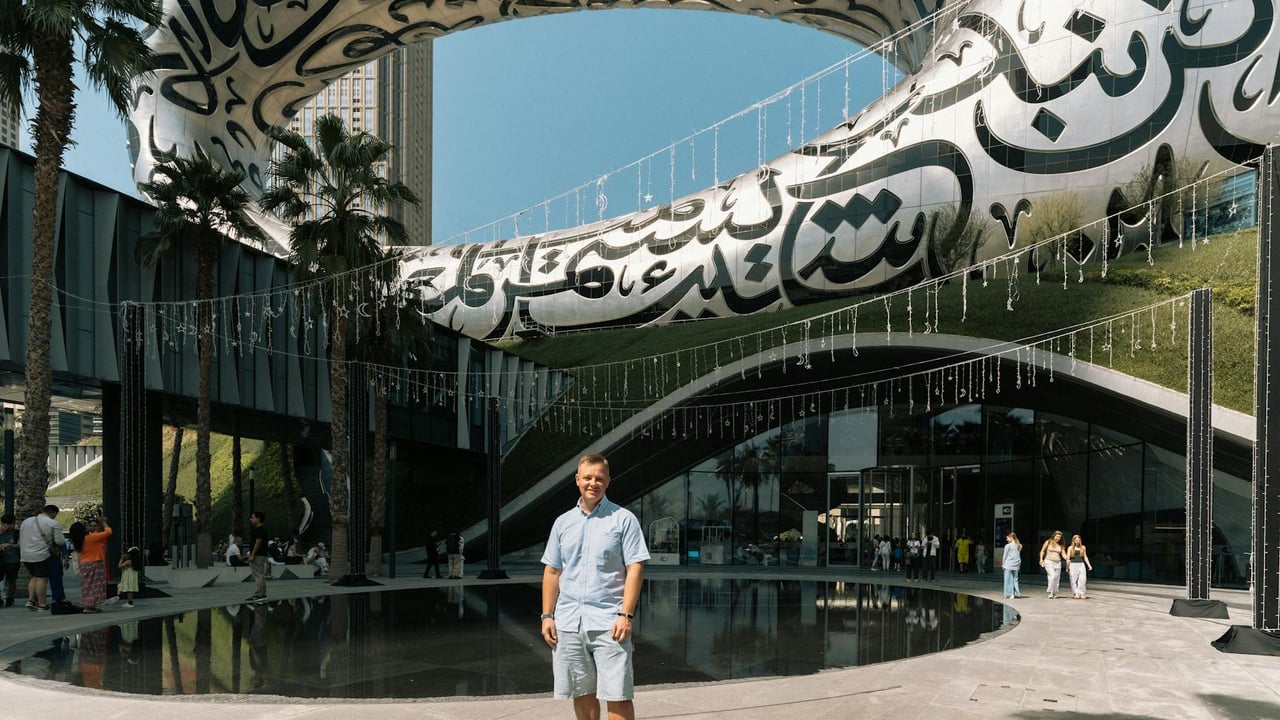
Man stands in front of Dubai's Museum of the Future, showcasing modern architecture.

Key Takeaways

  • 1Wang Yi articulated China's 'principled position' on Middle East affairs, emphasizing political solutions over military force.
  • 2The meeting focused on strengthening the Comprehensive Strategic Partnership between China and the UAE.
  • 3China is positioning itself as a reliable mediator in regional conflicts, contrasting its approach with Western interventionism.
  • 4The dialogue emphasized the synergy between China's Belt and Road Initiative and the UAE's long-term economic development plans.
  • 5The UAE's recent entry into BRICS serves as a backdrop for deeper geopolitical and economic alignment with Beijing.

Editor's
Desk

Strategic Analysis

This meeting reflects the 'new normal' in Middle East geopolitics, where Gulf monarchies no longer view their security and economic interests through a purely Western lens. By hosting the UAE envoy, Beijing is signaling that it is prepared to move beyond its historical role as a mere consumer of energy and into the role of a regional architect. China’s 'principled position' is a strategic brand—it offers a form of diplomacy that respects regime stability and sovereignty, which is highly attractive to Gulf leadership. However, the true test for Beijing will be whether it can maintain this neutrality if regional conflicts escalate to a point where 'principled' rhetoric is no longer sufficient to protect its vast economic investments and energy supply lines.

China Daily Brief Editorial
Strategic Insight
China Daily Brief

Chinese Foreign Minister Wang Yi’s recent meeting with the UAE President’s Special Envoy for China Affairs marks a pivotal moment in Beijing’s evolving Middle East strategy. As regional tensions continue to simmer, China is intensifying its diplomatic engagement with Gulf powers to present itself as a stable, alternative mediator to Western influence. This high-level dialogue serves as a platform for Beijing to articulate its 'principled position' on regional security, emphasizing political settlements over military intervention.

The relationship between Beijing and Abu Dhabi has transcended simple energy transactions, evolving into a comprehensive strategic partnership that spans technology, infrastructure, and security. By engaging the UAE—a sophisticated diplomatic actor and a new member of the BRICS bloc—China is leveraging its economic gravity to secure political alignment. This meeting underscores the UAE's role as a critical node in the Belt and Road Initiative and a gateway for Chinese influence across the Arabian Peninsula.

Central to the discussions was the shared concern over the volatile security architecture of the Middle East. China’s advocacy for a 'principled position' involves a delicate balancing act, supporting Palestinian statehood while maintaining robust ties with all regional stakeholders. This approach is designed to appeal to Global South narratives of sovereignty and non-interference, contrasting sharply with the more interventionist history of traditional Western powers in the region.

Ultimately, this diplomatic encounter illustrates China’s long-term goal of becoming an indispensable player in the Middle East’s geopolitical future. As the United States recalibrates its regional presence, China is stepping into the vacuum with a 'soft power' approach that prioritizes stability for the sake of trade. For the UAE, the partnership provides a strategic hedge, allowing it to navigate a multipolar world while diversifying its economic and security dependencies.

Share Article

Related Articles

📰
No related articles found