Submerged Strategy: China Unveils First Comprehensive Geochemical Map of Eastern Seabed

China has released its first comprehensive geochemical map of the eastern seabed, the result of a 20-year survey involving 20,000 data points and machine learning. The map charts the distribution of strategic minerals like rare earth elements, providing a critical data foundation for future resource extraction and maritime spatial planning.

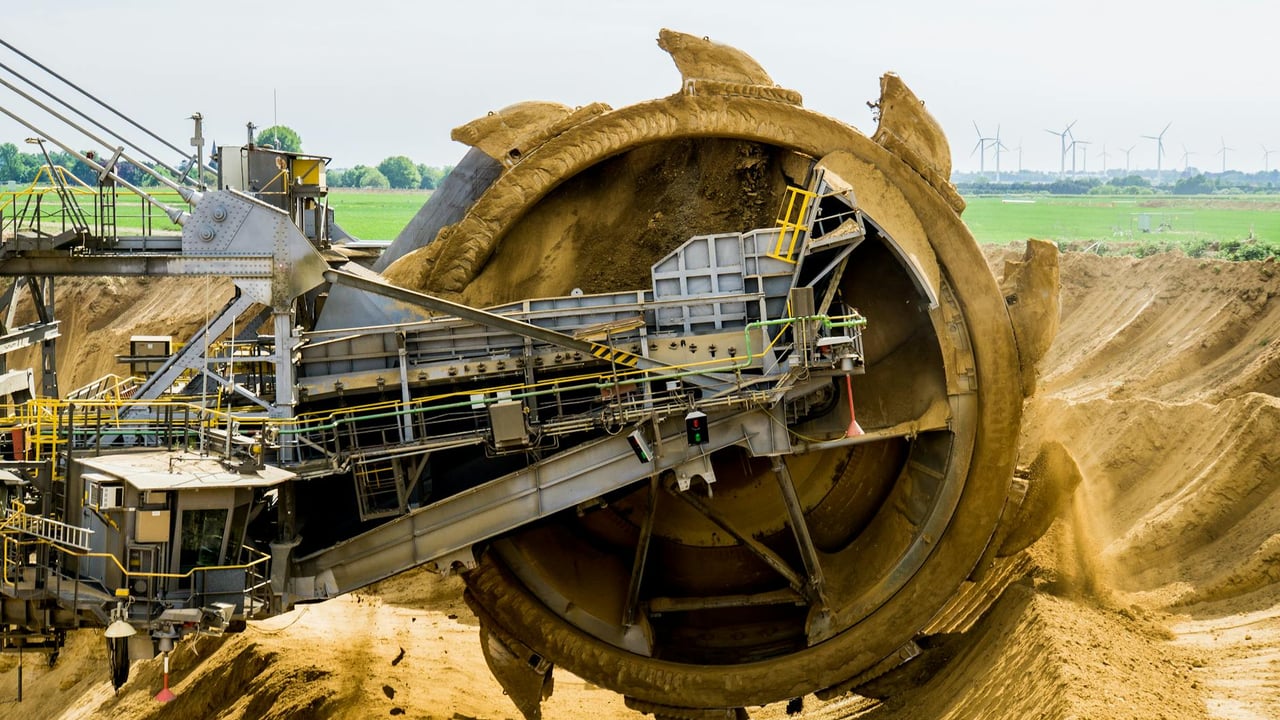
A large bucket wheel excavator working in an open pit mine against a green landscape.

Key Takeaways

  • 1The 'Seabed Chemical Element Map' covers 20 years of marine geological survey results from China's eastern waters.
  • 2Data integration included over 20,000 sampling stations enhanced by machine learning to ensure high-dimensional accuracy.
  • 3The survey mapped dozens of elements, specifically focusing on strategic resources like iron, manganese, copper, and rare earths.
  • 4The initiative provides a 'master navigation chart' for maritime resource exploration, environmental protection, and territorial planning.

Editor's
Desk

Strategic Analysis

This mapping initiative is a quintessential example of China's long-game strategy in maritime resource security. By treating the seabed as a geochemical extension of its landmass, Beijing is laying the technical groundwork for future deep-sea mining and resource claims. The inclusion of rare earth elements (REEs) in this map is particularly significant; as global competition for green energy minerals intensifies, China is moving to identify offshore reserves that could supplement or replace its terrestrial mines. Beyond economics, such a comprehensive 'physical exam' of the seabed reinforces China’s administrative presence in contested or strategic waters, providing a scientific veneer to its broader maritime assertions. While presented as a tool for ecological protection, the primary value of this 'total navigation map' is undoubtedly the securing of industrial supply chains.

China Daily Brief Editorial
Strategic Insight
China Daily Brief

Beijing has reached a significant milestone in its decades-long quest to master the maritime domain, officially releasing the first comprehensive "Seabed Chemical Element Map" of the country's eastern sea areas. This geochemical atlas, compiled by the China Geological Survey under the Ministry of Natural Resources, represents the culmination of 20 years of intensive marine geological exploration. It provides an unprecedented look at the mineral composition of the continental shelf.

The project utilized a massive dataset of over 20,000 measurement stations, integrating traditional physical sediment sampling with advanced machine learning algorithms. By analyzing the concentration and distribution of dozens of elements—including iron, manganese, copper, and critical rare earth elements—the survey provides what officials describe as a "comprehensive physical examination" of the seabed. This high-resolution data offers the most reliable geochemical dataset produced for the region to date.

This data serves as more than just a scientific curiosity; it acts as a "master navigation chart" for China’s maritime ambitions. The insights gained from the mapping effort are expected to underpin future resource exploration, coastal spatial planning, and ecological conservation efforts in the Yellow and East China Seas. It allows Beijing to precisely identify areas with high concentrations of strategic minerals necessary for high-tech manufacturing.

For a nation increasingly focused on resource security, understanding the mineral wealth of the continental shelf is a strategic priority. This geochemical dataset bridges the gap between terrestrial and oceanic geology, offering a holistic view of how elements migrate from the Chinese landmass into the deep-seated sediments of the Pacific. It effectively transforms the seabed from an unknown frontier into a surveyed territory ready for state-led development.

Share Article

Related Articles

📰
No related articles found