Strait of Hormuz: Trump’s Naval Gambit Faces a Reality Check on Mine Warfare

President Trump has announced a surge of minesweeping assets to the Strait of Hormuz to secure international shipping lanes. The operation relies on a coalition of NATO and Gulf allies but faces significant challenges due to the U.S. Navy's retirement of dedicated minesweepers and the unproven performance of the Littoral Combat Ship.

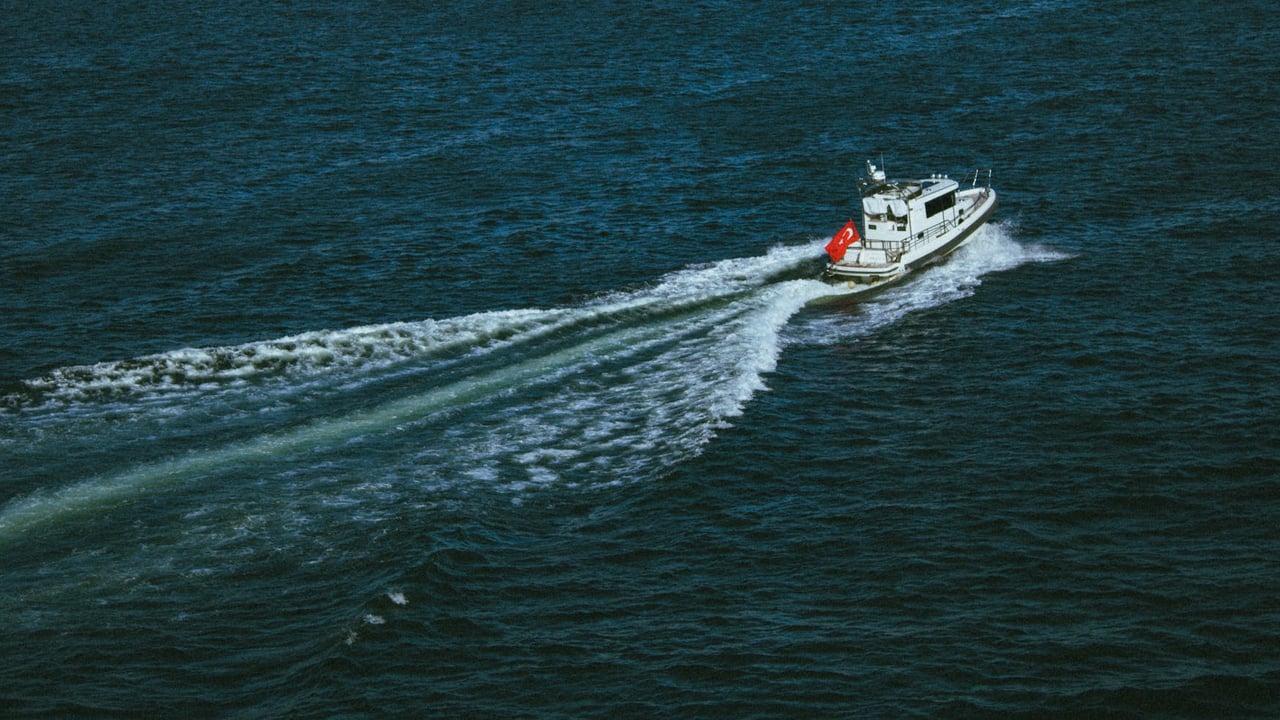
A boat travels on the Bosporus Strait, showcasing Istanbul's maritime culture.

Key Takeaways

  • 1President Trump signaled an increase in minesweeping operations in the Strait of Hormuz with NATO and Gulf support.
  • 2The U.S. Navy has retired its entire 'Avenger'-class minesweeper fleet, creating a specialist vessel shortage.
  • 3The replacement Littoral Combat Ships (LCS) utilize modular mine-clearing systems that have faced persistent technical criticism.
  • 4Security in the Strait is becoming increasingly dependent on international burden-sharing and ally capabilities.
  • 5The move aims to stabilize energy markets by deterring mine-related threats in one of the world's most critical chokepoints.

Editor's
Desk

Strategic Analysis

This development highlights a growing disconnect between political rhetoric and naval procurement reality. While the administration seeks to project 'freedom of navigation' dominance, the U.S. has effectively outsourced its high-end mine countermeasure capabilities to allies through the retirement of its dedicated fleet. The reliance on the Littoral Combat Ship (LCS) is a gamble; if a crisis erupts, the performance of these controversial modular systems will either vindicate a decade of procurement strategy or expose a dangerous gap in the Navy's ability to protect vital maritime arteries. Ultimately, this surge is as much a test of NATO's maritime integration as it is a message to regional adversaries.

China Daily Brief Editorial
Strategic Insight
China Daily Brief

President Donald Trump’s latest directive to bolster the naval presence in the Strait of Hormuz marks a significant escalation in maritime security posturing. By announcing the deployment of additional minesweeping assets, the administration aims to project strength and reassure global energy markets amid rising regional tensions. This move is framed as a multilateral effort, with the White House claiming support from NATO allies and several Gulf nations.

However, the strategic ambition of this deployment is complicated by the current state of the U.S. Navy’s specialized fleet. The retirement of the dedicated 'Avenger'-class minesweepers has left a critical capability gap that the Pentagon has struggled to close. While the Littoral Combat Ship (LCS) was designed to fill this void through modular mission packages, the transition has been fraught with technical delays and performance concerns.

Naval analysts remain skeptical of the LCS’s readiness to handle sophisticated undersea threats in the shallow, congested waters of the Persian Gulf. The mine-countermeasure modules intended for these ships have faced years of scrutiny over their reliability in high-stakes environments. This technical vulnerability suggests that any meaningful minesweeping operation will likely rely heavily on the specialized vessels of European and regional partners rather than American hulls.

This shift toward burden-sharing reflects a broader trend in Washington’s maritime strategy, where coalition-building is no longer just a political preference but a logistical necessity. As the U.S. pivots its primary naval focus toward the Indo-Pacific, the security of the Middle East's primary oil chokepoint increasingly depends on the cohesion and technical proficiency of a diverse international flotilla.

Share Article

Related Articles

📰
No related articles found