
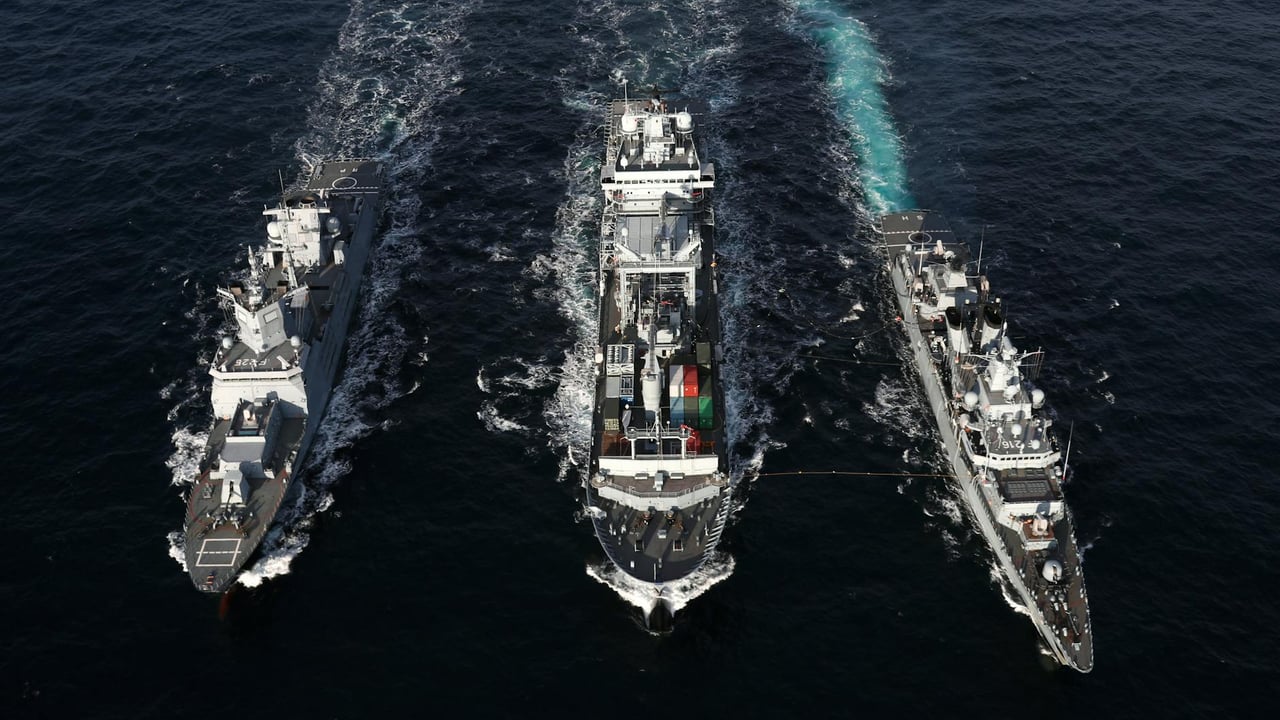

The geopolitical temperature in the Middle East has reached a boiling point as the United States military officially commenced a blockade of Iranian ports in the Persian Gulf and the Gulf of Oman. Under orders from the White House, U.S. Central Command (CENTCOM) began intercepting and blocking all maritime traffic destined for or departing from Iranian coastal regions as of 10:00 AM Eastern Time on April 13, 2026.
This aggressive maneuver targets the economic arteries of the Islamic Republic, aiming to isolate its domestic markets and energy exports from the global community. While the blockade specifically covers all Iranian maritime facilities, CENTCOM has clarified that international vessels transiting the Strait of Hormuz to non-Iranian ports will theoretically be allowed to pass without interference. However, the operational reality of enforcing such a selective filter in one of the world's most congested maritime chokepoints remains fraught with logistical and security risks.
Tehran has responded with characteristic defiance, dismissing the American deployment as a hollow display of "bluffing" intended to extract political concessions. Despite the bravado, the Iranian leadership faces a dire challenge as the blockade threatens the remnants of its formal oil trade. Meanwhile, a chorus of international voices has risen in opposition, with several nations expressing deep concern over the legality of the move and its potential to disrupt global energy supply chains.
The deployment marks a significant departure from traditional sanctions-based pressure, moving into the realm of direct kinetic interference. By placing a physical barrier between Iran and its trading partners, Washington is testing the limits of international maritime law and the patience of regional powers. As the first ships are turned away, the world watches to see if this pressure tactic will force a diplomatic breakthrough or ignite a broader regional conflagration.