
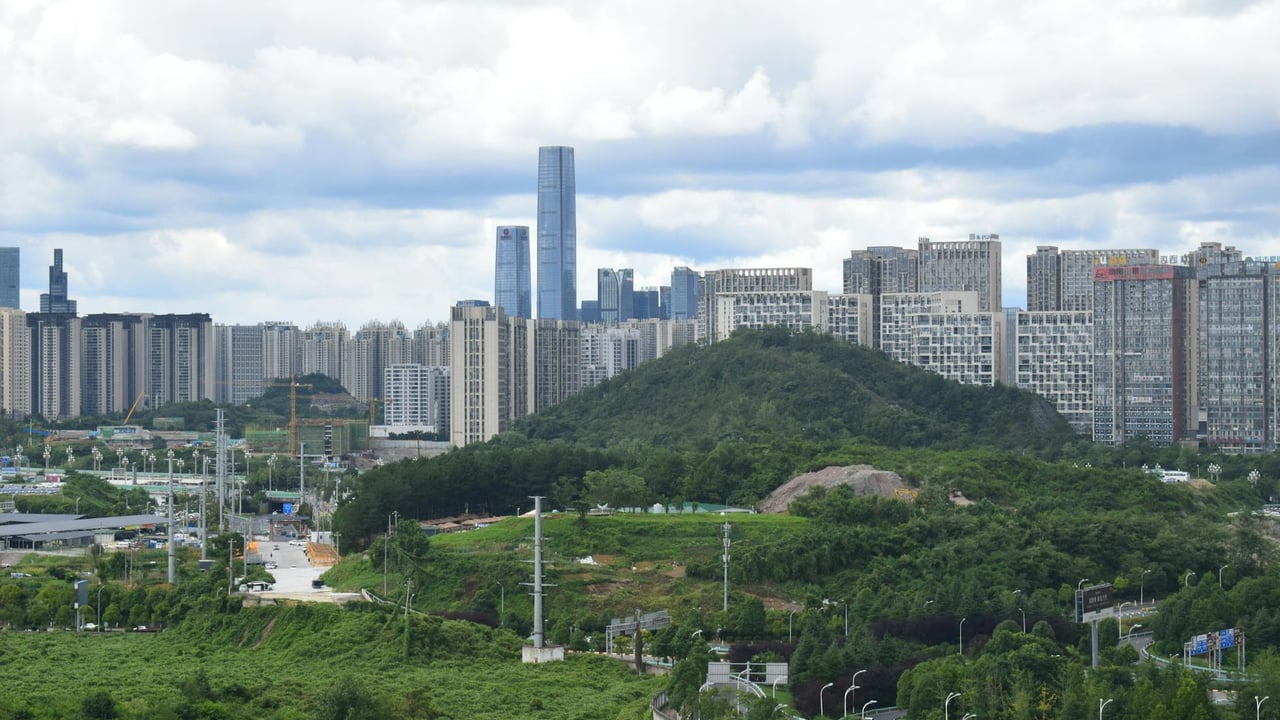

In a scene more reminiscent of a Black Friday riot than a luxury real estate launch, a residential project in Shenzhen’s Longhua District became a flashpoint for market desperation this week. The Xingfucheng Zhenyuan development saw hundreds of prospective buyers queuing overnight, leading to physical altercations and an incident where security guards deployed pepper spray to manage the unruly crowd. The chaos erupted after the developer, Shenzhen Hongyaotai Industrial, slashed prices by nearly 30% to clear stagnant inventory.
The project’s latest phase offered units at approximately 44,700 RMB per square meter, a dramatic retreat from the 64,600 RMB average seen in previous listings. This aggressive pricing strategy targeted first-time buyers and families looking for units between 65 and 89 square meters. For many in Shenzhen, a city known for its prohibitively high cost of living, the sudden drop transformed out-of-reach luxury into a rare entry-level opportunity, prompting the 'first-come, first-served' frenzy.
Market data reveals why the developer felt compelled to take such drastic measures. Despite launching over 800 units in mid-2025, the project had reportedly achieved a dismal absorption rate of only 15%. In a high-interest environment where liquidity is king, the developer opted for a 'price-for-volume' trade-off, effectively admitting that the market's previous valuations were no longer sustainable. By the evening of the launch, nearly all the smaller, high-discount units had been snapped up.
The local government’s response was swift and cautionary. The Longhua District Housing and Construction Bureau summoned the developer for a formal meeting, demanding immediate rectification of safety protocols and a public apology. Regulators are increasingly wary of such events, not just for the public safety risks, but because high-profile price crashes can undermine broader market confidence and lead to protests from existing homeowners who purchased at peak prices.
Shenzhen’s broader real estate landscape remains deeply bifurcated. While March saw a month-on-month spike in transaction volume, total residential sales are still down over 30% compared to the same period last year. This suggests that while demand exists, it is highly conditional on extreme affordability. For international observers, the incident serves as a visceral reminder that the 'soft landing' for China's property sector remains elusive, as developers navigate the thin line between insolvency and social unrest.