
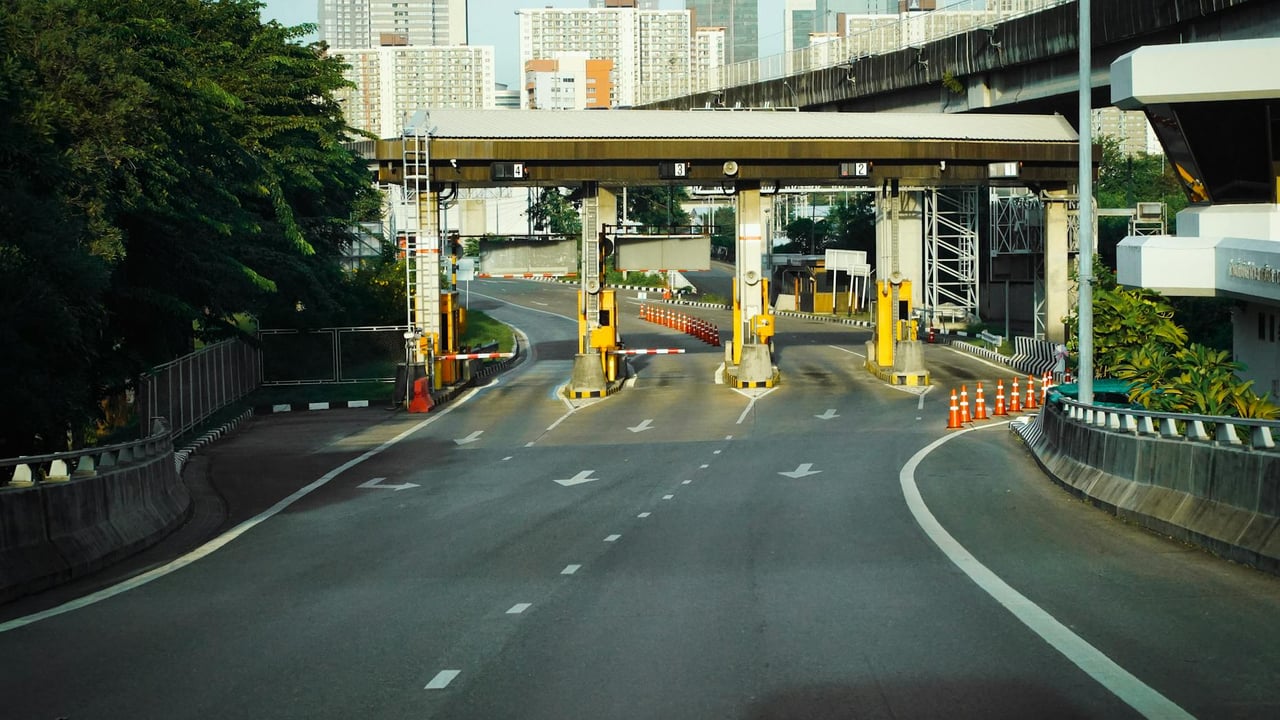

Guangzhou commuters are celebrating a rare victory as the South China Expressway Phase I—long derided as the city’s ‘most expensive commute’—prepares to scrap its tolls this August. After 27 years of operation, the 15.6-kilometer stretch will return to the public domain, potentially saving daily commuters up to 500 yuan per month. This move marks the latest in a series of toll removals across Guangdong province, signaling a shift toward treating urban arteries as public goods rather than revenue centers.
However, the localized relief in Guangzhou masks a more complicated and fiscally strained national picture. While many roads are nearing their legal 25-to-30-year tolling limits, a growing number of local governments are utilizing ‘expansion and renovation’ projects as a legal loophole to reset the clock. In Sichuan, the expansion of the Chengnan Expressway has effectively extended its tolling period to a staggering 54 years, a move that local authorities insist is ‘legal and compliant’ despite public outcry.
This tension between public benefit and fiscal reality is rooted in a massive debt overhang. China’s total highway debt has ballooned to nearly 8 trillion yuan, with over 80% of current toll revenue being swallowed by interest and principal repayments. As the ‘fifteenth five-year plan’ calls for further expansion of the national high-speed network, local governments are finding it increasingly difficult to fund both new construction and the mounting maintenance costs of existing infrastructure.
The rise of the electric vehicle (EV) era is further disrupting the traditional financing model. With a significant portion of road maintenance historically funded through fuel taxes, the rapid adoption of EVs has created a revenue gap that some provinces are attempting to fill by reinstating tolls on previously free national highways. This ‘reverse trend’ in provinces like Jiangsu and Anhui suggests that the era of universal free travel is a distant prospect.
Ultimately, the Guangzhou case serves as an outlier rather than a bellwether for national policy. While wealthy tier-one cities may have the fiscal headroom to ‘buy back’ highway rights to stimulate local commerce and logistics, most debt-laden provinces are moving in the opposite direction. For much of the country, the cost of world-class infrastructure will continue to be borne directly by the drivers who use it.