Bridge to the South: Beijing Taps Guangxi to Spearhead AI Education Diplomacy with ASEAN

China’s Ministry of Education is positioning Guangxi as a primary hub for AI-driven educational cooperation with ASEAN nations. The strategy focuses on integrating high-tech research with vocational training to project Chinese influence and foster 'New Quality Productive Forces' across Southeast Asia.

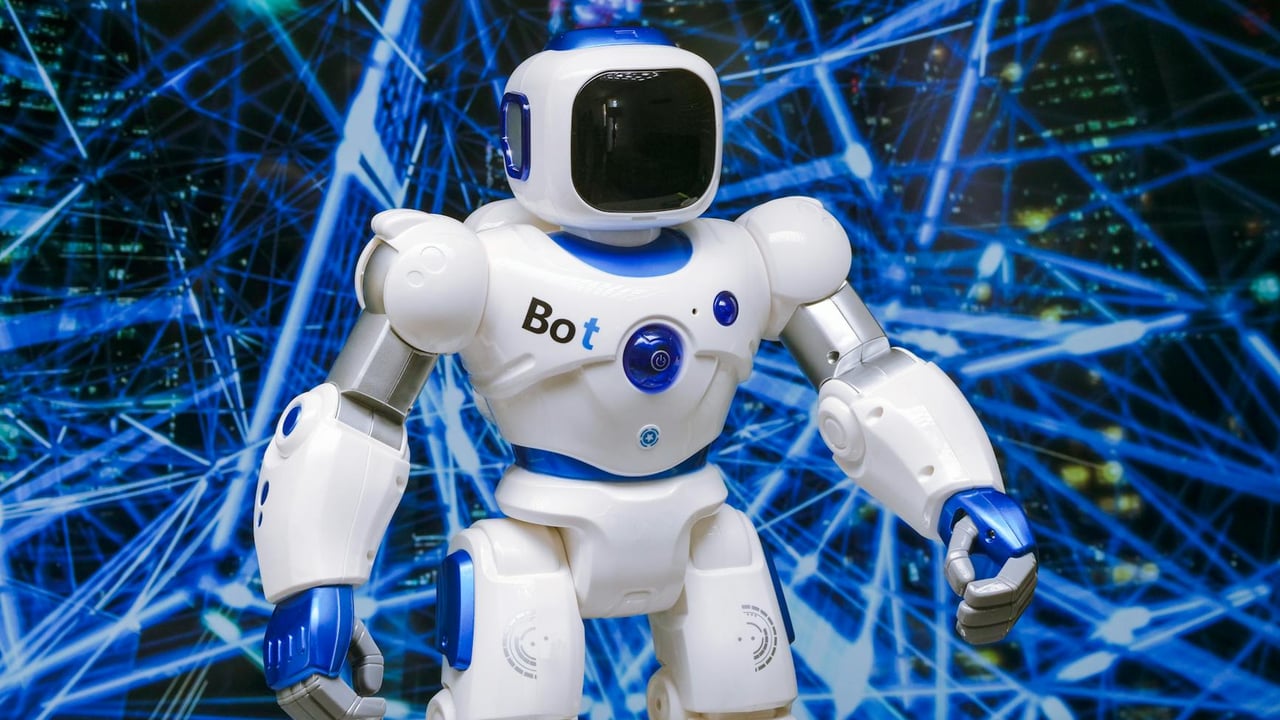
Advanced humanoid robot with glowing blue accents in a digital network setting.

Key Takeaways

  • 1Beijing plans to establish Guangxi as an international AI cooperation highland focused on the ASEAN market.
  • 2The initiative links educational reform to the national 'New Quality Productive Forces' strategy to drive high-tech growth.
  • 3A new Higher Education Research Institute in Guangxi will integrate industry leaders and academia to accelerate tech-to-market pipelines.
  • 4The expansion of 'Chinese + Vocational Education' serves as a strategic soft power tool to influence regional labor standards.
  • 5Emphasis is placed on 'National Door' schools to strengthen ideological education and border stability in ethnic minority regions.

Editor's
Desk

Strategic Analysis

This meeting highlights a sophisticated evolution in China’s regional strategy, where education is no longer just a social service but a critical component of the Digital Silk Road. By embedding AI into the vocational and higher education systems of Guangxi, Beijing is creating a prototype for export to ASEAN. If successful, this will create a regional ecosystem dependent on Chinese technical standards and pedagogical frameworks, effectively countering Western influence in Southeast Asia’s burgeoning tech sectors. The focus on 'National Door' schools also suggests that Beijing views the educational landscape as a front line for both domestic ethnic integration and international power projection.

China Daily Brief Editorial
Strategic Insight
China Daily Brief

In a strategic move to intertwine domestic educational reform with regional foreign policy, China’s Ministry of Education has signaled a major push to transform the Guangxi Zhuang Autonomous Region into a technological gateway for Southeast Asia. During a high-level meeting in Nanning, Education Minister Huai Jinpeng and Guangxi Party Secretary Chen Gang outlined a blueprint to establish the region as an international highland for artificial intelligence cooperation specifically targeting the ASEAN bloc.

The initiative centers on the integration of education, technology, and talent to cultivate what Beijing calls 'New Quality Productive Forces.' This ideological and economic framework, championed by President Xi Jinping, seeks to transition China’s economy toward high-tech self-reliance. By leveraging Guangxi’s geographic proximity to Southeast Asia, the central government aims to export Chinese pedagogical standards and AI-driven vocational training to neighboring markets.

A cornerstone of this plan is the rapid development of the Guangxi Higher Education Research Institute. This body is tasked with bridging the gap between high-level research universities, leading tech enterprises, and policy-funded institutions. The goal is to create a seamless pipeline where technological innovation in AI can be immediately applied to industrial upgrades, effectively turning the border region into a laboratory for digital transformation.

Furthermore, the strategy emphasizes 'Soft Power' through the expansion of 'Chinese + Vocational Education' programs. By training ASEAN's workforce using Chinese AI tools and language frameworks, Beijing is deepening its economic and cultural entrenchment within the China-ASEAN Community with a Shared Future. This educational diplomacy serves a dual purpose: stabilizing China’s southern borders and ensuring that the next generation of Southeast Asian technical talent is trained on Chinese proprietary systems.

Share Article

Related Articles

📰
No related articles found